United Nations Sustainable Development Goals: A Pathway to a Better Future

The United Nations Sustainable Development Goals (SDGs) are a universal call to action to end poverty, protect the planet, and ensure prosperity for all by 2030. Adopted by the United Nations, these 17 interconnected goals offer a shared blueprint for peace and sustainability.
Each goal addresses specific global challenges, promoting social inclusion and environmental stewardship. The SDGs aim to foster collaboration among nations, organizations, and communities, emphasizing the importance of joint efforts to achieve sustainable development.
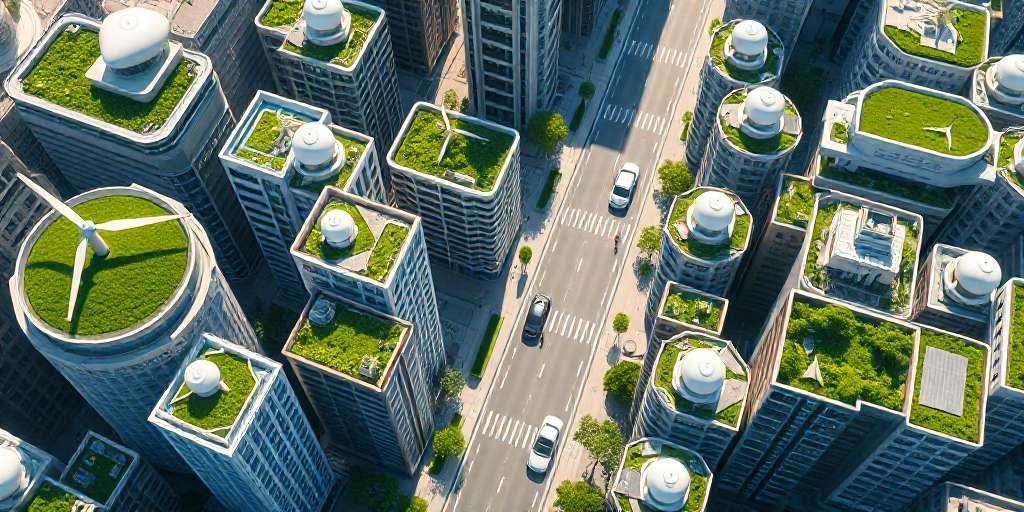
- Background of the Sustainable Development Goals
- Understanding the 2030 Agenda
- Overview of the 17 Sustainable Development Goals
- Ending Poverty Everywhere
- Achieving Zero Hunger
- Ensuring Health and Wellbeing
- Providing Quality Education
- Promoting Gender Equality
- Ensuring Clean Water and Sanitation
- Promoting Affordable and Clean Energy
- Promoting Economic Growth and Decent Work
- Building Industry, Innovation, and Infrastructure
- Reducing Inequalities Within and Among Countries
- Building Sustainable Cities and Communities
- Ensuring Responsible Consumption and Production
- Combating Climate Change
- Preserving Life Below Water
- Protecting Life on Land
- Promoting Peace, Justice, and Strong Institutions
- Advancing Partnerships for the Goals
- Measuring SDG Progress
- Challenges and Opportunities in Implementation
- The Role of Governments and Civil Society
Background of the Sustainable Development Goals
The background of this goals is rooted in a global commitment to address the most pressing challenges facing humanity. The journey began with initiatives aimed at improving living conditions and promoting sustainable practices, evolving into a comprehensive framework for global cooperation.
History and Evolution of SDGs
The history of the SDGs spans decades of international dialogues and agreements. The initial focus on development was shaped by various global conferences and summits that highlighted key issues such as poverty, education, and environmental sustainability. Over time, these discussions evolved into a structured framework aimed at holistic development for all nations.
The groundwork for the SDGs was laid during the United Nations Conference on Environment and Development in 1992, known as the Earth Summit held in Rio de Janeiro. This significant event marked a turning point in recognizing the interdependence of environmental protection and development.
From Millennium Development Goals to SDGs
The transition from the Millennium Development Goals (MDGs) to the SDGs was a significant milestone in international development policy. The MDGs, established in 2000, consisted of eight goals aimed at addressing global issues such as poverty and education by the year 2015. These goals served as a foundation for global cooperation, resulting in notable progress in various areas.
However, the post-2015 development agenda recognized the need for a more inclusive, universal set of goals that addressed the root causes of global challenges. As a result, the SDGs were developed, encompassing 17 goals that focus not only on social and economic development but also on environmental sustainability.
Adoption by the United Nations
The formal adoption of the SDGs took place at the United Nations Sustainable Development Summit in September 2015. During this historic gathering, representatives from 193 countries unanimously agreed on the 2030 Agenda for Sustainable Development, comprising the 17 SDGs and their associated targets.
This moment marked a collective commitment to eradicate poverty and work towards peace, prosperity, and the planet's health. The agenda emphasizes that every country, regardless of its level of development, must contribute to achieving these goals, thus fostering a sense of shared responsibility.
The adoption of the SDGs represents a paradigm shift in global development policy. It prioritizes inclusivity and the interconnected nature of the goals, highlighting that efforts in one area can positively impact others.
Understanding the 2030 Agenda
The 2030 Agenda represents a comprehensive framework aimed at promoting sustainable development worldwide. It is built on a foundation of essential principles that guide collective actions towards achieving shared global objectives.
Core Principles
The core principles of the 2030 Agenda emphasize inclusivity, sustainability, and accountability. These principles ensure that development efforts respect human rights and environmental integrity.
- Leave No One Behind: This principle underscores the commitment to ensure that every individual, particularly the most vulnerable, has access to opportunities and resources.
- Universality: The agenda is applicable to all countries, regardless of their level of development, promoting shared responsibility for sustainable development.
- Integrated Approach: The interconnection among various goals reinforces the need for a holistic strategy, recognizing that progress in one area can positively influence others.
- Accountability: Regular monitoring and reporting mechanisms ensure transparency and foster trust among stakeholders, allowing for adjustments to be made as needed.
Universal Framework for Action
The 2030 Agenda serves as a universal framework that provides a coherent direction for national policies, regional strategies, and local initiatives. It establishes a common language and set of goals that unify efforts around sustainable development.
- National Implementation: Countries are encouraged to adapt the goals to their specific circumstances while aligning them with national priorities.
- Policy Coherence: The agenda promotes alignment across different sectors, ensuring that economic, social, and environmental policies work in synergy to achieve sustainable outcomes.
- Capacity Building: It emphasizes the importance of strengthening local capacities and resources to manage sustainable development effectively. This includes empowering communities and local governments.
Role of Global Partnerships
Global partnerships are crucial for the successful implementation of the 2030 Agenda. Collaborative efforts across different sectors and levels of governance enhance the effectiveness of sustainable development initiatives.
- Multi-stakeholder Engagement: Involvement of governments, civil society, private sector, and academic institutions fosters innovative solutions and greater resource mobilization.
- Knowledge Sharing: Global partnerships facilitate the exchange of best practices, technologies, and experience, leading to enhanced strategies for sustainable development.
- Financial Support: Mobilizing finance from diverse sources, including private sector investments and international aid, is essential to facilitate the required transformations for achieving the goals.
Overview of the 17 Sustainable Development Goals
The 17 goals serve as a comprehensive framework designed to address global challenges. These goals are interconnected, emphasizing the need for a holistic approach to achieve sustainable growth and development.
Interconnected Nature of SDGs
The goals are not isolated; rather, they are deeply interlinked. Actions taken in one goal can significantly influence others. For instance, improving education (SDG 4) can contribute to reducing inequalities (SDG 10) and promoting gender equality (SDG 5). Each goal serves as both a stand-alone target and a means to further the success of the others.
This interdependence highlights the necessity for cohesive strategies that integrate multiple objectives. Disjointed efforts may yield limited results, while collaborative approaches can lead to comprehensive benefits across all fronts.
Understanding these connections is critical for policymakers, businesses, and communities. A unified effort ensures that advancements in one area foster growth and progress in others, thus creating a synergistic effect that drives overall sustainable development.
Prioritizing Individual Goals
While recognizing the interconnectedness of the SDGs is essential, prioritizing individual goals is also necessary to address specific challenges faced by countries and communities. Each goal targets distinct issues, allowing for tailored strategies and resources.
No Poverty (SDG 1)
Focusing on poverty alleviation stimulates economic growth and enhances wellbeing. It entails creating sustainable livelihoods and providing social protection systems.
Zero Hunger (SDG 2)
Aiming for food security and improved nutrition demands the promotion of sustainable agricultural practices and equitable food distribution.
Good Health and Well-being (SDG 3)
Ensuring health access and wellbeing is vital for a productive population. Targeting healthcare infrastructure improvement and health education yields substantial societal advantages.
Quality Education (SDG 4)
Providing inclusive education equips individuals with the skills needed for future opportunities, thereby reducing inequalities and fostering personal development.
Gender Equality (SDG 5)
Empowering women and girls not only safeguards their rights but also accelerates economic growth and enhances community resilience.
Clean Water and Sanitation (SDG 6)
Access to clean water and sanitation is fundamental for health. Sustainable water management practices greatly contribute to public health outcomes.
Affordable and Clean Energy (SDG 7)
Transitioning to renewable energy sources supports environmental sustainability while ensuring energy access for all communities.
Decent Work and Economic Growth (SDG 8)
Fostering economic growth through job creation and decent work opportunities propels societal wellbeing and social equity.
Industry, Innovation, and Infrastructure (SDG 9)
Building resilient infrastructure and promoting inclusive industrialization stimulate innovation and enhance overall productivity.
Reduced Inequalities (SDG 10)
Tackling inequalities requires strategic interventions that promote equal opportunities and rectify disparities in wealth and resources.
Sustainable Cities and Communities (SDG 11)
Creating inclusive, safe, and resilient urban areas is essential for accommodating growing populations and improving quality of life.
Responsible Consumption and Production (SDG 12)
Encouraging sustainable practices in consumption and production minimizes environmental impact and supports resource efficiency.
Climate Action (SDG 13)
Urgent action against climate change is crucial. Policies aimed at reducing greenhouse gas emissions support overall sustainability principles.
Life Below Water (SDG 14)
Conserving oceanic resources ensures marine biodiversity and promotes sustainable fishing practices necessary for ecological balance.
Life on Land (SDG 15)
Protecting terrestrial ecosystems and managing forests sustainably safeguards biodiversity and sustains livelihoods.
Peace, Justice, and Strong Institutions (SDG 16)
Ensuring peaceful and inclusive societies underpins development efforts, emphasizing the rule of law and access to justice.
Partnerships for the Goals (SDG 17)
Global partnerships enhance resource mobilization, share knowledge, and foster collaboration aimed at achieving all SDGs effectively.
Each Sustainable Development Goal is a stepping stone towards a sustainable future. Prioritizing these goals, while recognizing their interconnections, fosters a more holistic approach to development that can meet the diverse needs of populations globally.
Ending Poverty Everywhere
Eradicating poverty is a fundamental goal that underpins the broader objectives of sustainable development. Achieving this ambition requires comprehensive strategies that integrate social, economic, and environmental dimensions.
SDG 1: No Poverty
The first Sustainable Development Goal aims to end poverty in all its forms everywhere. Poverty remains a significant global challenge, affecting billions of people across various regions, creating inequities that hinder development and social cohesion. In Germany and worldwide, efforts to dismantle poverty are essential for fostering innovation, strengthening community resilience, and promoting social justice.
Reducing poverty not only enhances individual well-being but also contributes to economic growth. It includes addressing the root causes, such as lack of access to education, healthcare, and employment opportunities. Targeting vulnerable populations, including women, children, and marginalized groups, is crucial to ensure inclusive progress.
Strategies for Implementation
To effectively implement strategies aimed at ending poverty, several collaborative and innovative approaches are necessary. These strategies include:
- Social Protection Systems: Establishing robust safety nets and social protection programs can provide immediate relief to those in poverty. This includes cash transfers, food assistance, and access to healthcare services.
- Economic Opportunities: Creating job opportunities through investments in sectors such as renewable energy, technology, and local businesses can significantly reduce poverty levels. Promoting entrepreneurship is vital to stimulate local economies.
- Education and Skills Development: Ensuring access to quality education equips individuals with the skills necessary for employment. Programs that focus on vocational training and lifelong learning are essential in adapting to changing job markets.
- Community Engagement: Engaging communities in the decision-making processes surrounding poverty alleviation initiatives fosters ownership and accountability. Local approaches can be more effective when they reflect the unique needs and contexts of each community.
- Partnerships: Collaborating with government entities, NGOs, and the private sector can facilitate the pooling of resources and expertise to tackle poverty. Multi-stakeholder partnerships can enhance the implementation efforts by aligning various objectives and ensuring comprehensive strategies.
By focusing on these strategies, the commitment to ending poverty can foster a sustainable future where everyone has the opportunity to thrive.
Achieving Zero Hunger
Achieving Zero Hunger is a critical goal that aims to ensure food security and promote sustainable agriculture globally. It addresses the urgent need to eliminate hunger and malnutrition, focusing on improving food systems and ensuring that every individual has access to sufficient and nutritious food.
SDG 2: Zero Hunger
Zero Hunger is the second Sustainable Development Goal, which emphasizes the importance of ending hunger in all its forms by 2030. This goal recognizes that food security is not only about availability but also about access, utilization, and stability of food systems. Ensuring that everyone can obtain nutritious food is essential for a healthy and productive society.
This goal also aims to improve agricultural productivity and sustainability. It involves ensuring resources are used efficiently and sustainably, upholding the principles of equity, and addressing the underlying causes of hunger. The success of SDG 2 requires concerted efforts from various stakeholders, including governments, NGOs, and the private sector.
Agricultural Sustainability
Agricultural sustainability is a key component of achieving Zero Hunger. It involves practices that not only boost food production but also do so in ways that protect the environment and promote the welfare of people. Sustainable agriculture is a holistic approach that considers the ecological, social, and economic dimensions of farming.
- Increasing agricultural productivity: Achieving higher yields through innovative techniques and sustainable practices is crucial. This includes adopting precision farming, organic farming, and agroecology.
- Promoting sustainable food systems: Transitioning toward systems that reduce environmental impact while increasing resilience, such as agroforestry and polycultures, can enhance food security.
- Improving access to technology and resources: Ensuring farmers have access to latest technologies, high-quality seeds, and water management practices is vital for sustainable production.
- Encouraging local food production: Supporting smallholder farmers and local food systems can enhance food security by providing fresh, nutritious food closer to communities.
- Integrating gender equality in agriculture: Empowering women in agricultural decision-making is essential to enhance productivity and improve the nutritional status of families.
- Addressing climate change: Strategies must be implemented to adapt to and mitigate the impact of climate change on agricultural systems, ensuring long-term food security and ecosystem health.
By integrating these elements into agricultural practices, not only can hunger be reduced, but the resilience of food systems against various challenges, including economic shocks and climate variability, can also be enhanced. The path to achieving Zero Hunger is multifaceted, requiring collaborations across borders, sectors, and communities to create lasting solutions.
Ensuring Health and Wellbeing
Ensuring health and well-being is a fundamental aspect of sustainable development. It encompasses the overall physical, mental, and social well-being of individuals and communities, emphasizing the importance of equitable access to healthcare services.
SDG 3: Good Health and Well-being
Goal 3 aims to ensure healthy lives and promote well-being for all at all ages. This objective is crucial in the fight against global health challenges, which include infectious diseases, non-communicable diseases, and mental health issues. Addressing these challenges requires a holistic approach that integrates prevention, treatment, and health education.
Key targets under SDG 3 include:
- Reduce the global maternal mortality ratio to less than 70 per 100,000 live births.
- End the epidemics of AIDS, tuberculosis, malaria, and neglected tropical diseases by 2030.
- Ensure universal access to sexual and reproductive health services.
- Achieve universal health coverage, including financial risk protection, access to essential health care services, and access to safe, effective, quality, and affordable essential medicines and vaccines.
- Promote mental health and well-being through awareness campaigns and improvements in mental health services.
Health Equity and Access
Health equity focuses on providing fair access to health resources without discrimination. This includes recognizing that socio-economic factors, geography, and gender can significantly impact health outcomes. Establishing mechanisms to address these disparities is vital for achieving better health for all.
Access to quality healthcare involves several aspects:
- Availability of healthcare facilities and trained professionals in underserved communities.
- Affordable healthcare services that do not impose financial hardship on individuals and families.
- Community engagement in health policy decision-making to ensure the needs of diverse populations are met.
Efforts to enhance health equity can include implementing universal health coverage programs, improving healthcare infrastructure in rural areas, and promoting health literacy among disadvantaged groups.
Providing Quality Education
Quality education plays a crucial role in fostering sustainable development. It empowers individuals to contribute actively to their communities and economies. Ensuring access to education for all is vital for creating equitable societies and promoting lifelong learning opportunities.
SDG 4: Quality Education
Sustainable Development Goal 4 focuses on ensuring inclusive, equitable, and quality education for everyone. It emphasizes the need for lifelong learning opportunities that address the diverse learning needs of individuals.
The aim is to provide education that is accessible to all, regardless of socioeconomic status, gender, or geographic location. This goal recognizes that education is fundamental for reducing inequalities and promoting social cohesion. It encompasses different levels of education, from primary to higher education, and vocational training.
- Ensuring free, equitable, and quality primary and secondary education.
- Ensuring all youth and a significant proportion of adults achieve literacy and numeracy.
- Ensuring access to affordable and quality technical, vocational, and higher education.
- Building and upgrading education facilities that are child, disability, and gender-sensitive.
- Increasing the number of youth and adults who have relevant skills for employment.
- Promoting lifelong learning opportunities for all.
Inclusive Learning Environments
Creating inclusive learning environments is essential for achieving quality education. Diverse educational settings promote equality and respect for all individuals. They help cultivate an atmosphere where every learner feels valued and supported.
Inclusive education involves accommodating various learning styles and needs, making learning accessible for everyone. Strategies include:
- Implementing universal design for learning (UDL) to address different learning modalities.
- Providing resources and support for learners with disabilities.
- Training teachers in inclusive education practices.
- Encouraging participation from families and communities in educational initiatives.
- Cultivating a culture of acceptance and respect within educational institutions.
These approaches not only enhance learning outcomes but also foster social integration and a sense of belonging among students. The focus on inclusivity aligns with the broader objectives of sustainable development, ensuring that no one is left behind.
Promoting Gender Equality
Promoting gender equality is a vital component of sustainable development. Achieving this goal ensures that every individual, regardless of gender, has equal opportunities, rights, and resources. It involves recognizing barriers and addressing challenges that hinder women and girls in various sectors.
SDG 5: Gender Equality
Gender equality is enshrined in Sustainable Development Goal 5, which aims to achieve gender equality and empower all women and girls. This goal is fundamental, as it recognizes that gender disparities remain persistent across many dimensions of society, including economic participation, political representation, and social inclusion.
- Elimination of all forms of discrimination against women and girls is paramount.
- Ensuring equal participation at all levels of decision-making in political, economic, and public life is essential.
- Access to reproductive health and rights for all women is a critical aspect of gender equality.
- Addressing violence against women and harmful practices is crucial for fostering a safe environment.
Empowering Women and Girls
Empowerment of women and girls is not only a fundamental human right but also a prerequisite for achieving sustainable development. Empowering women leads to numerous benefits, including economic growth, improved health outcomes, and enhanced community resilience.
Access to Education
Education is a powerful tool for empowerment. Ensuring that girls have the same access to quality education as boys is vital for promoting gender equality. Education opens doors to better job opportunities and enhances women's capacity to participate in societal decision-making.
Economic Empowerment
Economic empowerment involves providing women with equal access to resources. This includes fair wages, access to credit, and opportunities for entrepreneurship. Initiatives that support women in business, such as training programs and mentorship, can significantly impact economic participation.
Health and Reproductive Rights
Access to health services, particularly reproductive health, allows women to make informed choices about their bodies and futures. Comprehensive health care services must be available and affordable to promote well-being and empowerment among women and girls.
Combating Violence Against Women
Gender-based violence remains a pervasive issue. Strategies to combat this violence include legal reforms, support services for survivors, and community awareness programs. Addressing societal attitudes towards violence is essential to eliminate this humanitarian crisis.
Political Participation
Encouraging women's political participation is crucial for achieving gender equality. Women need to be represented in leadership roles across all sectors. Ensuring that women have seats at the table can lead to better governance and policies that reflect diverse perspectives.
Ensuring Clean Water and Sanitation
Access to clean water and adequate sanitation is crucial for the health and well-being of individuals and communities. The Sustainable Development Goal 6 focuses on ensuring availability and sustainable management of water and sanitation for all.
SDG 6: Clean Water and Sanitation
SDG 6 aims to ensure that everyone enjoys access to safe and affordable drinking water, adequate sanitation, and hygiene facilities. Water scarcity affects more than 40 percent of people around the world. This number is increasing with the growth of population, climate change, and urbanization.
To tackle these challenges, various targets have been set under this goal, including:
- Universal access to safe and affordable drinking water.
- Access to adequate and equitable sanitation and hygiene facilities for all.
- Water quality improvement through reducing pollution, minimizing the release of hazardous chemicals, and substantially increasing water-use efficiency.
- Protecting and restoring water-related ecosystems such as rivers, wetlands, and lakes.
Sustainable Water Management
Sustainable water management is essential for achieving SDG 6. This concept emphasizes the need for integrated approaches that balance water resource use among various competing demands while protecting water quality. The importance of public policies and community involvement is paramount in ensuring effective water management strategies.
Key components of sustainable water management include:
- Implementation of strategies to manage water resources efficiently and sustainably.
- Adoption of technologies that promote modern irrigation practices and wastewater treatment.
- Investment in infrastructure that improves water storage and distribution systems.
- Enhancement of groundwater recharge while minimizing the effects of over-extraction.
Addressing inequities in access to water and sanitation is equally important. Vulnerable populations, including women, children, and marginalized groups, often bear the brunt of inadequate services and water scarcity. Therefore, inclusive policies are necessary to protect their rights and improve access to clean water and sanitation.
Collaborative efforts between government agencies, non-governmental organizations, and local communities can lead to innovative solutions that promote sustainable water practices and ensure that no one is left behind. Education and awareness campaigns are vital in fostering community engagement and understanding the importance of conserving water resources.
Promoting Affordable and Clean Energy
The promotion of affordable and clean energy is crucial for achieving sustainable development, as it underpins economic growth, environmental sustainability, and social equity. Access to reliable energy is vital for all sectors, ensuring improvements in health, education, and overall quality of life.
SDG 7: Affordable and Clean Energy
SDG 7 aims to ensure access to affordable, reliable, sustainable, and modern energy for all. Energy is a fundamental element that drives progress in various aspects of life. Currently, billions lack access to reliable energy sources, which impedes development and quality of life. The goal not only emphasizes access but also calls for improvements in energy efficiency and the promotion of renewable energy sources.
This goal recognizes the need for diverse energy sources that can support economic activities while minimizing environmental impact. By enhancing energy efficiency and expanding the use of renewables, countries can reduce greenhouse gas emissions and reliance on fossil fuels.
Key Targets of SDG 7
- Ensure universal access to affordable electricity by 2030.
- Increase substantially the amount of renewable energy in the global energy mix by 2030.
- Double the global rate of improvement in energy efficiency by 2030.
- Invest in energy infrastructure and clean energy technology.
Transition to Renewable Energy
Transitioning to renewable energy is essential for meeting the targets of SDG 7. This transition involves shifting from traditional fossil fuel sources to sustainable alternatives such as solar, wind, hydroelectric, and geothermal energy. Such a shift not only helps in reducing carbon emissions but also promotes energy security and job creation.
Germany has been a leader in this energy transition, known as "Energiewende," focusing on sustainability and reducing greenhouse gas emissions. This comprehensive plan involves not only expanding renewable energy capacity but also enhancing energy efficiency across multiple sectors.
Importance of Renewable Energy Sources
- Environmental Benefits: Renewable energy sources produce little to no greenhouse gas emissions, significantly reducing pollution.
- Energy Security: By diversifying energy sources, countries can reduce their dependency on imported fuels.
- Economic Growth: Investing in renewables can create jobs and stimulate local economies.
- Technological Advancement: The development of clean energy technologies fosters innovation and research.
Challenges in the Transition
Despite the benefits, transitioning to renewable energy presents several challenges. These include technological barriers, investment needs, and the requirement for skilled workforce. Overcoming these challenges necessitates coordinated efforts among governments, industries, and communities.
Furthermore, it is essential to ensure that the transition is just and equitable, providing support for vulnerable populations and regions that may be adversely affected by the shift from fossil fuels.
Promoting Economic Growth and Decent Work
Fostering economic growth and ensuring decent work for all are essential components of sustainable development. This section delves into the significance of decent work and sets forth strategies for inclusive growth that uplifts all segments of society.
SDG 8: Decent Work and Economic Growth
The eighth Sustainable Development Goal emphasizes the need to promote sustained, inclusive, and sustainable economic growth, full and productive employment, and decent work for all. Achieving this goal requires a concerted effort across multiple sectors to create jobs that respect labor rights and ensure fair wages.
Decent work is not just about having a job. It encompasses rights at work, social protection, and the opportunity for personal development. It allows individuals to contribute to their community and economy, fostering a sense of dignity and belonging.
Key Elements of Decent Work
- Fair wages and benefits: Ensuring that all workers receive compensation that meets their basic needs.
- Job security: Providing contracts and protections that foster stable employment.
- Work-life balance: Implementing policies that respect personal time and minimize overwork.
- Safety and health conditions: Promoting safe working environments to prevent industrial accidents and health issues.
- Social dialogue: Encouraging communication between employers, employees, and governments to foster cooperation.
Policies for Inclusive Growth
To realize the vision of decent work and meaningful economic growth, policies must focus on inclusivity. This means ensuring that marginalized groups — including women, youth, and the disabled — can participate fully in the economy.
Governments and organizations should adopt strategies that support lifelong learning and skills development. This is vital in adapting to an ever-evolving job market affected by technology and globalization.
Strategies for Inclusive Economic Growth
- Investment in education and training: Ensuring access to quality education and vocational training for all.
- Support for entrepreneurship: Providing resources and financial support to small and medium enterprises (SMEs).
- Encouragement of fair labor practices: Establishing regulations that protect workers' rights and promote fair competition.
- Enhancement of social protection systems: Implementing safety nets that safeguard individuals during unemployment and economic shifts.
- Promotion of gender equality in the workplace: Ensuring equal opportunities for men and women in all sectors.
By integrating these elements and strategies, it is possible to create a vibrant economy that provides decent work opportunities for everyone. Commitment from governments, businesses, and civil society is essential to promote economic growth that is equitable, sustainable, and inclusive.
Building Industry, Innovation, and Infrastructure
This section emphasizes the essential components of industry, innovation, and infrastructure that are vital for sustainable development. It explores how these elements contribute to overall economic growth and societal well-being.
SDG 9: Industry, Innovation, and Infrastructure
Industry, innovation, and infrastructure play a crucial role in fostering economic progress and sustainable development. SDG 9 highlights the need to build resilient infrastructure, promote inclusive and sustainable industrialization, and foster innovation. This goal not only focuses on economic growth but also addresses how industries can operate sustainably, contributing positively to the environment.
- Resilient Infrastructure: Development of infrastructure that can withstand climate impacts and adapt to changing conditions is essential.
- Inclusive Industrialization: Ensuring that all segments of society can participate in economic activities is necessary for social equity.
- Fostering Innovation: Encouraging research and development to create new technologies that support sustainable practices is vital.
Sustainable Industrialization
Sustainable industrialization is about creating industries that are efficient and environmentally friendly. It involves adopting practices that minimize waste and reduce resource consumption while boosting productivity.
- Resource Efficiency: Industries should utilize resources more efficiently, aiming for lower environmental impact.
- Circular Economy: Emphasis on reusing, recycling, and reducing waste is essential to promote sustainability.
- Technology and Innovation: Integrating advanced technologies can enhance productivity and sustainability in industrial processes.
- Supporting Local Industries: Encouraging local production can reduce carbon footprints and promote economic resilience.
Investing in sustainable industrial practices can also create new job opportunities, enhancing community welfare and supporting social development. A shift towards clean technologies in manufacturing and construction can lead to significant reductions in greenhouse gas emissions.
Reducing Inequalities Within and Among Countries
Reducing inequalities is crucial for sustainable development. It ensures that all individuals, regardless of their background, have an opportunity to thrive. This section explores the importance of addressing inequalities both within nations and globally.
SDG 10: Reduced Inequalities
SDG 10 emphasizes the need to reduce inequality both within and between countries. This goal recognizes that economic growth alone does not guarantee equitable wealth distribution. Significant disparities persist based on income, gender, ethnicity, and geography. Addressing these inequalities is essential for fostering social cohesion and improving overall well-being.
Critical to this effort is the understanding that reducing inequalities contributes to achieving other SDGs. For instance, economic disparities can hinder access to education, health, and employment opportunities, creating a cycle that perpetuates poverty. Thus, efforts to reduce inequality not only benefit marginalized groups but also strengthen societies as a whole.
Strategies for Equitable Growth
To effectively reduce inequalities, a multi-faceted approach is necessary. Here are several strategic areas to focus on:
Policy Reforms
Implementing progressive taxation systems can ensure that wealthier individuals and corporations contribute their fair share to national revenues. This funding can then be redirected to social programs aimed at supporting disadvantaged communities. Additionally, labor market reforms are vital for improving job quality and supporting labor rights.
Access to Education
Ensuring that all individuals have access to quality education is critical for reducing inequality. Families from lower-income backgrounds often face barriers to educational opportunities. Scholarship programs, inclusive curricula, and resources for disadvantaged schools can bridge these gaps.
Health Equity
Health disparities often mirror economic inequalities. Access to health services must be equitable, ensuring that all populations receive adequate care. Strategies include improving healthcare infrastructure in underserved areas and implementing universal health coverage.
Empowerment of Marginalized Groups
Fostering the economic and social empowerment of marginalized groups is essential. This could involve targeted initiatives to support women, ethnic minorities, and refugees through vocational training, access to credit, and participation in decision-making processes.
Global Cooperation and Trade Policies
International trade policies should promote fair trade practices, enabling developing countries to compete on equal footing. Supporting developing economies through fair tariffs and market access can diminish global inequalities.
By implementing these strategies, countries can work towards a more equitable society where opportunities are accessible to everyone, ultimately contributing to sustainable development and social stability.
Building Sustainable Cities and Communities
Building sustainable cities and communities is essential for addressing urban challenges and enhancing living standards. This involves creating spaces that are resilient, inclusive, and environmentally friendly.
SDG 11: Sustainable Cities and Communities
SDG 11 emphasizes the need to make cities inclusive, safe, resilient, and sustainable. Urban areas are home to more than half of the world's population, and their development has profound impacts on social, economic, and environmental aspects. Key components of this goal include the management of urban planning, transportation, and public spaces.
- Enhancing urban resilience to natural disasters
- Promoting sustainable transportation systems
- Ensuring access to safe and affordable housing
- Improving urban air quality and minimizing environmental degradation
Urban Planning and Resilience
Effective urban planning plays a crucial role in building sustainable communities. It requires a comprehensive approach that considers social, economic, and environmental factors.
- Integration of land use and transportation planning for reduced commute times
- Development of green spaces and sustainable ecosystems within urban areas
- Encouragement of mixed-use developments to eliminate urban sprawl
- Adoption of smart city technologies for efficient resource management
Sustainable Infrastructure
Creating resilient infrastructure is vital for supporting urban development. This includes investing in renewable energy sources, sustainable water management systems, and waste reduction strategies.
- Implementation of green building practices
- Development of efficient waste management systems
- Investment in public transportation to reduce dependence on individual vehicles
Community Engagement and Participation
Involving communities in decision-making processes fosters a sense of ownership and accountability. Local participation can lead to more tailored solutions that meet the unique needs of urban populations.
- Conducting community consultations and workshops
- Establishing partnerships between local authorities and civil society
- Encouraging volunteer programs for community development
Addressing Inequality
Building sustainable cities also involves addressing social inequalities present in urban environments. Strategies must be implemented to ensure equal access to resources and opportunities.
- Promoting affordable housing initiatives
- Improving access to education and job training programs
- Investing in public services and amenities in underserved neighborhoods
Ensuring Responsible Consumption and Production
Responsible consumption and production are essential for sustainable development. This involves curbing waste, utilizing resources efficiently, and promoting sustainable practices across industries. The focus is on fostering a balanced relationship between economic growth and environmental sustainability.
SDG 12: Responsible Consumption and Production
SDG 12 emphasizes the necessity of sustainable consumption and production patterns. It targets resource efficiency, reducing waste, and promoting sustainable practices among individuals, businesses, and governments. This goal recognizes that the way goods are produced and consumed significantly impacts the environment and society.
A comprehensive approach is vital to achieve SDG 12. This includes enhancing the efficiency of resource use, promoting sustainable sourcing, and encouraging responsible consumer behavior. Engaging all stakeholders is key to transforming consumption patterns and minimizing the ecological footprint.
Minimizing Waste and Pollution
Minimizing waste and pollution is integral to ensuring sustainable development. Strategies to reduce waste include promoting recycling, reusing materials, and enabling effective waste management systems. Transitioning to a circular economy can significantly lessen the burden on natural resources.
Effective waste management strategies may encompass:
- Implementing comprehensive recycling programs.
- Encouraging the use of sustainable materials.
- Increasing public awareness about waste reduction.
- Establishing stricter regulations on waste disposal.
Pollution reduction is another crucial aspect. This can be achieved by:
- Encouraging cleaner production techniques.
- Investing in renewable energy sources.
- Promoting sustainable industrial processes.
- Regulating emissions and pollutants.
Collectively addressing waste management and pollution can lead to healthier ecosystems, improved public health, and enhanced overall quality of life. Transitioning towards these practices not only safeguards the environment but also promotes a more sustainable economy.
Combating Climate Change
Climate change poses one of the most significant challenges to sustainable development. It affects ecosystems, economies, and communities worldwide, requiring coordinated action on multiple levels to mitigate its effects and adapt to its consequences.
SDG 13: Climate Action
The thirteenth Sustainable Development Goal focuses specifically on climate action. This goal emphasizes the urgent need to combat climate change and its impacts by taking bold steps across various sectors. Climate action comprises significant efforts to reduce greenhouse gas emissions, enhance resilience, and foster comprehensive policies that prioritize sustainability.
- Goals of SDG 13 include:
- Integrating climate change measures into national policies and strategies.
- Improving education, awareness, and human and institutional capacity on climate change mitigation, adaptation, impact reduction, and early warning.
- Encouraging the development and implementation of low-emission strategies.
Global Climate Policies
Global climate policies play a critical role in combating climate change. These policies are designed to address the global nature of the issue, taking into account national interests while promoting international collaboration.
- Key global climate agreements include:
- The Paris Agreement, which aims to limit global warming to well below 2 degrees Celsius above pre-industrial levels, with efforts to limit the temperature increase to 1.5 degrees Celsius.
- The Kyoto Protocol, an earlier accord that committed its parties to reduce greenhouse gas emissions.
- The United Nations Framework Convention on Climate Change (UNFCCC), which provides an overarching framework for addressing climate change globally.
- In addition to these agreements, many countries are establishing national policies aimed at:
- Reducing carbon emissions by transitioning to renewable energy sources.
- Enhancing carbon sinks through afforestation and reforestation initiatives.
- Promoting sustainable agricultural practices that contribute to lowering emissions.
Climate adaptation is equally essential. Policies are increasingly recognizing that communities must build resilience against the effects of climate change, such as extreme weather events and rising sea levels. This includes investment in sustainable infrastructure, water resource management, and disaster preparedness strategies. By integrating climate considerations into development planning and decision-making processes, governments can better prepare for the anticipated impacts of climate change.
Preserving Life Below Water
Preserving marine ecosystems is vital for the health of our planet and humanity. Sustainable management of ocean resources contributes to biodiversity conservation and supports livelihoods across the globe.
SDG 14: Life Below Water
SDG 14 emphasizes the need to conserve and sustainably use the oceans, seas, and marine resources. The health of marine environments directly impacts the overall ecological balance and provides essential services.
The challenges facing marine life include overfishing, pollution, and habitat destruction. Each of these factors not only threatens marine biodiversity but also affects the communities that rely on these resources for their livelihood.
Targets of SDG 14
- Reduce marine pollution from land-based activities.
- Protect and restore marine ecosystems.
- Sustainably manage fisheries and aquaculture.
Marine Resource Management
Effective marine resource management is crucial for ensuring the sustainability of oceanic ecosystems. It involves the integration of ecological, social, and economic factors into planning processes.
Tools such as marine protected areas (MPAs) play a significant role in preserving biodiversity and restoring fish stocks. By establishing no-take zones and regulating fishing practices, it becomes possible to foster healthier marine environments.
Best Practices in Marine Resource Management
- Implementing science-based quotas to prevent overfishing.
- Enhancing community involvement in fisheries management.
- Adopting technologies for cleaner maritime operations.
International cooperation is essential in addressing challenges that transcend national borders. Successful management of oceans requires collaboration among countries, stakeholders, and communities.
By sharing knowledge, resources, and best practices, nations can collectively work towards achieving SDG 14 and ensuring that marine environments thrive for generations to come.
Protecting Life on Land
Protecting terrestrial ecosystems is vital for sustaining biodiversity, combating climate change, and supporting life on Earth. The interdependence of species and their habitats highlights the importance of conservation efforts to maintain ecological balance.
SDG 15: Life on Land
SDG 15 aims to protect, restore, and promote sustainable use of terrestrial ecosystems, sustainably manage forests, combat desertification, and halt and reverse land degradation and biodiversity loss. The goal emphasizes the need for measures that balance human activity with the preservation of the environment.
Key Targets of SDG 15
- Ensure the conservation of mountain ecosystems, including their biodiversity.
- Combat desertification and restore degraded land and soils.
- Protect biodiversity, ensuring the sustainable use of ecosystems.
- Increase forest areas globally through reforestation and afforestation efforts.
Conservation and Biodiversity
The preservation of biodiversity is critical for ecosystem services that support human existence. Healthy ecosystems provide food, clean water, and air, and play a crucial role in regulating climate and disease.
Importance of Biodiversity
- Biodiversity contributes to ecosystem resilience, allowing organisms to adapt to changes.
- Healthy ecosystems provide essential services, such as pollination, nutrient cycling, and soil formation.
- Variety in species leads to a more stable food supply and agriculture.
Strategies for Biodiversity Conservation
- Establish and enforce protected areas to safeguard habitats and endangered species.
- Implement sustainable forestry practices to maintain forest biodiversity.
- Promote community-based conservation initiatives that engage local populations.
- Enhance restoration projects that rehabilitate degraded landscapes.
Challenges in Conservation Efforts
Despite awareness and efforts, many challenges hinder effective conservation. Habitat destruction due to urbanization and agriculture, pollution, and climate change continually threaten biodiversity.
International Collaboration for Conservation
Global partnerships and collaboration are essential to address these challenges. International agreements, such as the Convention on Biological Diversity, aim to coordinate conservation efforts across borders to ensure the health of our planet's ecosystems.
Promoting Peace, Justice, and Strong Institutions
Establishing peace, justice, and strong institutions is essential for fostering sustainable development worldwide. These elements ensure that societies can thrive, promoting social stability and reducing violence.
SDG 16: Peace, Justice, and Strong Institutions
Goal 16 focuses on promoting peaceful and inclusive societies, ensuring access to justice for all, and building effective, accountable institutions at all levels. This objective addresses various issues, including the reduction of violence, the fight against corruption, and the promotion of the rule of law.
Key targets under SDG 16 include:
- Significantly reducing all forms of violence and related death rates everywhere.
- Ensuring equal access to justice for all.
- Substantially reducing corruption and bribery in all their forms.
- Developing effective, accountable, and transparent institutions at all levels.
Strengthening Governance and Participation
Strong governance and active participation of civil society are vital for achieving peace and justice. This involves creating transparent, participatory processes that engage citizens in decision-making. Institutions should be held accountable and operate in a manner that is fair and equitable.
Strategies to enhance governance include:
- Promoting political inclusion and representation, ensuring that marginalized voices are heard.
- Implementing policies that strengthen the legal framework, providing better protection of rights.
- Encouraging citizen participation through mechanisms such as public consultations and community forums.
The promotion of peace and justice cannot occur in isolation. Collaboration between different stakeholders, including governments, civil society, and the private sector, is essential. This collective effort strengthens institutional frameworks, enhances legitimacy, and ultimately contributes to a more just society.
Advancing Partnerships for the Goals
Strengthening global partnerships is essential to achieving shared objectives effectively. Collaborative efforts between governments, private sectors, and civil society are crucial in navigating the complexities of sustainable development.
SDG 17: Partnerships for the Goals
SDG 17 emphasizes the importance of partnerships in achieving all sustainable development goals. It advocates for revitalizing global partnerships by fostering collaboration among governments, the private sector, and civil society.
This goal seeks to enhance the global partnership for sustainable development through the following ways:
- Mobilizing financial resources for developing countries.
- Enhancing North-South and South-South cooperation.
- Encouraging the sharing of knowledge and technologies.
- Supporting capacity-building for developing nations.
- Encouraging multi-stakeholder partnerships.
Financing for Development
Financing plays a critical role in the success of the 2030 Agenda. Sustainable financial models need to be developed that leverage public and private investment in initiatives connected to the SDGs.
Key elements to support financing for sustainable development include:
- Increasing public and private investment in sectors crucial for achieving the SDGs.
- Enhancing the effectiveness of development cooperation.
- Ensuring that investment flows are aligned with sustainable development priorities.
- Strengthening the role of international financing institutions in mobilizing resources.
- Developing innovative financing mechanisms, such as social impact bonds and blended finance approaches.
Addressing financing gaps requires a broad-based approach involving diverse actors from all sectors. It necessitates systemic changes and the exploration of alternative funding sources.
Measuring SDG Progress
Effective monitoring of the Sustainable Development Goals (SDGs) is crucial for evaluating progress and ensuring accountability. It involves the establishment of indicators and metrics that provide insights into how well countries and stakeholders are performing.
Indicators and Metrics
The measurement of SDG progress relies on a set of well-defined indicators and metrics. These indicators are designed to capture the multifaceted nature of development and the interconnectedness of the goals. Each goal has a specific set of targets, and for these targets, corresponding indicators have been developed. The selection of these indicators is based on their relevance, validity, reliability, and feasibility.
- Performance Metrics: These reflect the achievements of countries in relation to specific targets.
- Data Availability: Indicators need to be informed by reliable data sources, which can enhance their accuracy.
- Global Monitoring Framework: A coordinated approach across nations facilitates standardization in tracking progress.
- Contextual Considerations: It is essential that indicators are adapted to local circumstances to reflect varying challenges and capacities.
Furthermore, countries are encouraged to adopt a participatory approach in the selection and application of indicators, involving stakeholders from various sectors to ensure that diverse perspectives are represented. This leads to a more inclusive definition of success.
Reporting and Accountability
To enhance transparency and accountability, regular reporting on the progress made towards the SDGs is mandated. Countries are encouraged to compile comprehensive reports that detail their advancements and challenges in meeting the goals.
- Voluntary National Reviews (VNRs): Countries are invited to present their progress through VNRs at the High-level Political Forum on Sustainable Development (HLPF).
- Data Collection: Reliable and disaggregated data is essential for understanding how different populations are affected by development programs.
- Accountability Mechanisms: Establishing frameworks that hold stakeholders accountable is imperative for maintaining momentum towards the SDGs.
- Stakeholder Engagement: Involving civil society, private sectors, and local communities in the reporting process strengthens the overall accountability structure.
This ongoing assessment is vital for fostering a culture of continuous improvement. Regular updates not only help in identifying areas for enhancement but also reinforce the commitment of governments and partners to the agenda.
Challenges and Opportunities in Implementation
The journey toward achieving the Sustainable Development Goals involves navigating various challenges while simultaneously leveraging significant opportunities.
Overcoming Barriers
Numerous barriers complicate the implementation of the goals. Among these hurdles are financial restrictions, lack of awareness, and inadequate data systems.
Financial Constraints
Securing adequate funding remains a pivotal challenge. Many nations, especially developing ones, struggle with limited financial resources, hampering their ability to invest in essential programs and infrastructure. International financing mechanisms, grants, and public-private partnerships are crucial to surmount these obstacles.
Lack of Awareness and Engagement
Another significant barrier is the insufficient understanding of the SDGs among various stakeholders, including citizens, businesses, and even policymakers. Enhancing educational initiatives and fostering community participation can mitigate these gaps, enabling a broader base of support for sustainable development initiatives.
Inadequate Data Collection and Management
Reliable data is essential for tracking progress and identifying areas that require intervention. However, many countries lack comprehensive data systems or resources for effective monitoring. Strengthening data collection frameworks and utilizing technology can enhance transparency and accountability in the implementation process.
Harnessing Technological Advancements
Technological innovations present remarkable opportunities for accelerating the implementation of the Sustainable Development Goals. Utilizing modern technology can streamline efforts, enhance data collection, and engage communities effectively.
Digital Solutions for Monitoring Progress
Technology promises enhanced data collection through platforms that facilitate real-time monitoring and reporting. Utilizing mobile applications and online databases can simplify the tracking of indicators, promoting accountability among governments and organizations.
Innovations in Renewable Energy
Advancements in renewable energy technologies are critical for achieving several SDGs, particularly in areas related to clean energy and climate action. Investment in solar, wind, and hydropower projects can not only address energy needs but also create jobs and stimulate economic growth.
Enhancing Education and Awareness through Technology
Digital platforms can enhance educational outreach and public engagement around the Sustainable Development Goals. By leveraging social media, e-learning, and interactive apps, stakeholders can foster greater understanding and motivate collective action toward sustainability.
The Role of Governments and Civil Society
The involvement of governments and civil society is crucial for the effective implementation of sustainable development initiatives. Collaboration between these entities enhances resource mobilization, strategic planning, and community-level engagement.
National Initiatives and Policies
Governments play a pivotal role in developing and executing national frameworks aimed at achieving sustainable development objectives. National initiatives often include:
Legislative Measures
Implementing laws that support sustainable practices is vital. Examples include regulations on waste management, emissions reduction, and use of renewable energy sources. These laws help create a framework within which sustainable practices can flourish.
Financial Incentives
Governments can offer tax benefits and subsidies aimed at encouraging businesses and individuals to engage in sustainable practices. Financial initiatives may also target specific sectors such as agriculture, renewable energy, and green technology.
Strategic Partnerships
Creating partnerships among government sectors, private enterprises, and non-profit organizations fosters a multi-faceted approach to sustainable development. These collaborations often create synergies that lead to innovative solutions and resource optimization.
Public Awareness Campaigns
Governments frequently coordinate campaigns to educate citizens about sustainability issues and the importance of their participation in initiatives. Public awareness can significantly influence behavior and lead to greater c
Leave a Reply