Biomass energy EU policy: Key Developments and Future Challenges
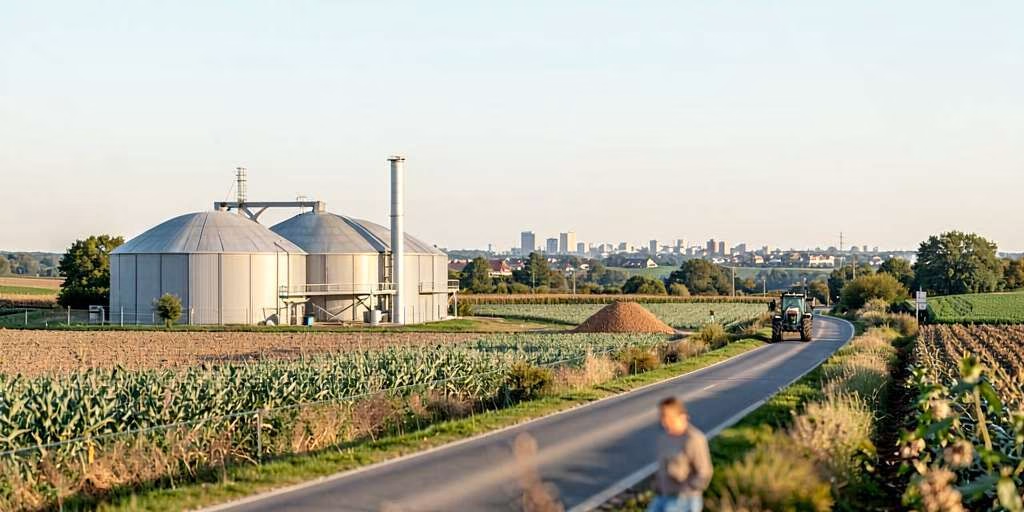
Biomass energy is an essential component of the EU's renewable energy strategy. It plays a significant role in reducing greenhouse gas emissions and diversifying energy sources across member states.
This article outlines the current biomass energy policies in the EU, focusing on legislative frameworks, sustainability criteria, and support mechanisms. By understanding these policies, stakeholders can better align with the EU's environmental goals.
- Biomass Role in EU Renewable Energy
- Legislative Framework for Biomass Energy
- Sustainability Criteria for Biomass Production
- Support Schemes and Subsidies for Biomass Energy
- Land Use, Land Use Change, and Forestry (LULUCF) Integration
- Environmental and Ecological Considerations
- Technological Innovations and Future Policy Directions
- Public Awareness and Education
Biomass Role in EU Renewable Energy
Biomass plays a significant part in the European Union's renewable energy landscape, contributing to energy diversification and sustainability goals.
Biomass Contribution to Energy Mix
The integration of biomass into the EU energy mix is notable. In 2021, biomass accounted for approximately 59% of the EU's renewable energy consumption. This positions biomass as a central player in achieving climate neutrality by 2050.
Biomass Types and Sources
Various organic materials form the basis of biomass energy. Key types include:
- Agricultural residues
- Forestry by-products
- Biodegradable waste
Such diversity allows for a versatile approach in energy generation methods, essential for meeting renewable energy targets.
Biomass and Greenhouse Gas Emissions Reduction
Utilizing biomass effectively helps reduce greenhouse gas emissions. When sourced sustainably, biomass can significantly lower the carbon footprint related to energy production. Lifecycle assessments ensure that emissions are monitored and managed, supporting the EU's broader climate objectives.
Legislative Framework for Biomass Energy
The framework governing biomass energy in the EU is pivotal for sustainable development and regulatory compliance. It establishes guidelines to ensure biomass contributes positively to energy goals while adhering to environmental standards.
The Renewable Energy Directive (RED) Overview
This directive serves as the cornerstone for promoting renewable energy within the EU. Its framework sets out necessary measures to support biomass integration, including defined targets for renewable energy consumption. The RED emphasizes sustainability criteria for biomass sourcing.
Key Updates in RED III for Biomass
RED III provides enhanced regulations aimed at increasing sustainability in biomass production. It outlines stricter criteria concerning sourcing practices, ensuring only biomass that meets high environmental standards qualifies for subsidies. This update further strengthens the EU's commitment to ecological integrity.
Fit for 55 Package and Its Impact on Biomass
This legislative initiative aims to align EU policies with climate goals by reducing greenhouse gas emissions. The Fit for 55 Package introduces legally binding targets, influencing how member states formulate their energy strategies. Biomass plays a critical role in achieving these emission reduction objectives.
Sustainability Criteria for Biomass Production
In the context of biomass production, sustainability criteria are essential for ensuring that the energy generated meets eco-friendly and responsible sourcing standards. These criteria guide the production processes and aim to minimize environmental impact.
Agricultural Biomass Standards
Standards for agricultural biomass production focus on sustainability and environmental integrity. Key points include:
- Use of certified sustainable agricultural practices.
- Adherence to regulations regarding land use and crop rotation.
- Promotion of biodiversity through responsible cultivation methods.
Forestry Biomass Requirements
Forestry biomass must comply with specific requirements to ensure sustainability. These often involve ecological considerations and resource management.
No-Go Areas for Forest Biomass Harvesting
Certain areas are designated as 'no-go zones.' In these locations, harvesting practices are strictly prohibited to protect vital ecosystems. These include:
- Primary and old-growth forests.
- High-biodiversity regions.
- Peatlands and carbon-rich areas.
Harvesting and Deadwood Extraction Rules
Specific harvesting standards are established to protect forest health. These rules dictate the methods and limits of harvesting, ensuring minimal ecological disruption.
Greenhouse Gas Emissions Savings Criteria
Greenhouse gas emissions criteria are crucial for evaluating the carbon footprint of biomass energy. Their implementation helps keep emissions within acceptable limits.
Emissions Accounting for Biomass Installations
All biomass installations must measure and report their emissions. Accurate accounting ensures compliance with sustainability standards and supports emissions reduction initiatives.
Verification Processes and Reporting
Robust verification processes are necessary to maintain transparency. Regular reporting assists in monitoring compliance with the established greenhouse gas emissions criteria.
Support Schemes and Subsidies for Biomass Energy
The implementation of support schemes and subsidies plays a vital role in advancing biomass energy utilization across the EU. These frameworks aim to enhance investment and promote sustainable practices within biomass production and processing.
National Scheme Design Based on Cascading Principle
Member states are required to establish national support schemes that align with the cascading principle. This approach encourages the prioritization of biomass use based on its environmental and economic value. It emphasizes the use of biomass for higher-value applications before considering it for energy production.
Limitations on Subsidies for Forest Biomass Electricity
Subsidies for electricity generated solely from forest biomass have been re-evaluated. Restrictions have been applied to mitigate adverse ecological impacts and promote the sustainable use of forest resources. This aims to ensure minimal disruption to biodiversity and the health of forest ecosystems.
Commission Guidelines and Monitoring
The European Commission provides guidelines to facilitate the implementation of biomass support schemes. Ongoing monitoring of these schemes is essential to ensure compliance with sustainability objectives and regulatory frameworks. This process involves regular assessments to verify the effectiveness and impact of support measures.
Land Use, Land Use Change, and Forestry (LULUCF) Integration
The integration of land use, land use change, and forestry is crucial for sustainable biomass practices. It supports the EU's environmental goals by ensuring biomass production does not compromise ecosystem health.
Aligning Forestry Policies with Biomass Sustainability
Forestry policies are essential for promoting sustainable biomass practices. They must be aligned with environmental conservation strategies to ensure that biomass sourcing does not conflict with biodiversity preservation. Upcoming regulations will mandate that member states adopt coherent forestry management practices.
Implementing Regulation on Forest Biomass Sustainability
This regulation aims to standardize sustainability criteria for forest biomass. By establishing specific guidelines, it ensures that biomass harvesting is conducted responsibly, which protects critical forest ecosystems.
Certification Schemes for Biomass Compliance
The implementation of certification schemes is vital for verifying compliance with sustainability standards. These frameworks ensure that biomass sourced from forests adheres to the established ecological and legal requirements.
National Energy and Climate Plans Incorporation
Member states must incorporate LULUCF strategies into their National Energy and Climate Plans. This integration ensures a comprehensive approach to biomass management that supports both energy goals and environmental protection.
Environmental and Ecological Considerations
Understanding the ecological implications of biomass energy is essential for ensuring sustainability. The following aspects highlight critical environmental concerns associated with biomass production and utilization.
Biodiversity Protection and Soil Quality Concerns
Biomass production can impact biodiversity negatively if not managed wisely. Intensive agricultural practices may lead to:
- Reduction in species variety in cultivated areas.
- Degradation of habitats essential for wildlife.
- Soil erosion and nutrient depletion from overharvesting.
Lifecycle Assessment of Biomass Carbon Neutrality
Evaluating the true carbon footprint of biomass is vital for its credibility as a renewable resource. Lifecycle assessments should include:
- Emissions from cultivation and land conversion.
- Transport emissions throughout the supply chain.
- Combustion emissions at energy generation facilities.
Addressing Risks from Monoculture and Overharvesting
Monoculture plantations pose a threat to ecological balance. Risks involve:
- Increased vulnerability to pests and diseases.
- Loss of forest ecosystems, leading to carbon release.
- Pressure on natural resources during periods of overharvesting.
Technological Innovations and Future Policy Directions
Advancements in technology play a vital role in shaping biomass energy's future within the European context. Innovative approaches are emerging, focusing on processing techniques and sustainability enhancements.
Advances in Biomass Energy Processing
Recent innovations have improved the efficiency of biomass energy conversion. Techniques such as gasification and anaerobic digestion are gaining traction. These methods transform organic material into energy more effectively, reducing waste and increasing yield.
Enhancing Sustainability Through Innovation
New technologies directly contribute to sustainability goals. The development of precision agriculture tools allows for optimized biomass production. This leads to better resource management and minimizes negative environmental impacts.
Stakeholder Engagement and Collaborative Approaches
Engaging various stakeholders is essential for fostering innovation. Collaboration between governments, industry players, and research institutions drives advancements. Initiatives aimed at knowledge sharing and best practices are crucial for enhancing biomass energy strategies.
Public Awareness and Education
Raising awareness and educating the public about biomass sustainability is essential for fostering informed discussions and encouraging responsible practices. Various resources are available to engage stakeholders in this critical area.
EU Resources on Biomass Sustainability
The European Union provides a range of educational materials aimed at enhancing understanding of biomass sustainability.
Educational Videos and Fact Pages
- Informative videos highlight key concepts and practices in biomass energy.
- Fact pages offer concise information on sustainability criteria and their importance.
Tools for Stakeholder Information
- Comprehensive guides assist businesses in complying with EU regulations.
- Online resources facilitate access to the latest updates on biomass policies.
Promoting Responsible Biomass Use Among Consumers
Encouraging responsible biomass usage is vital in achieving sustainability goals.
- Campaigns raise awareness about the environmental impact of biomass choices.
- Educational initiatives engage consumers in sustainable practices within energy consumption.
Leave a Reply