Achieving Sustainable Goals: A Path to a Greener Future in Europe

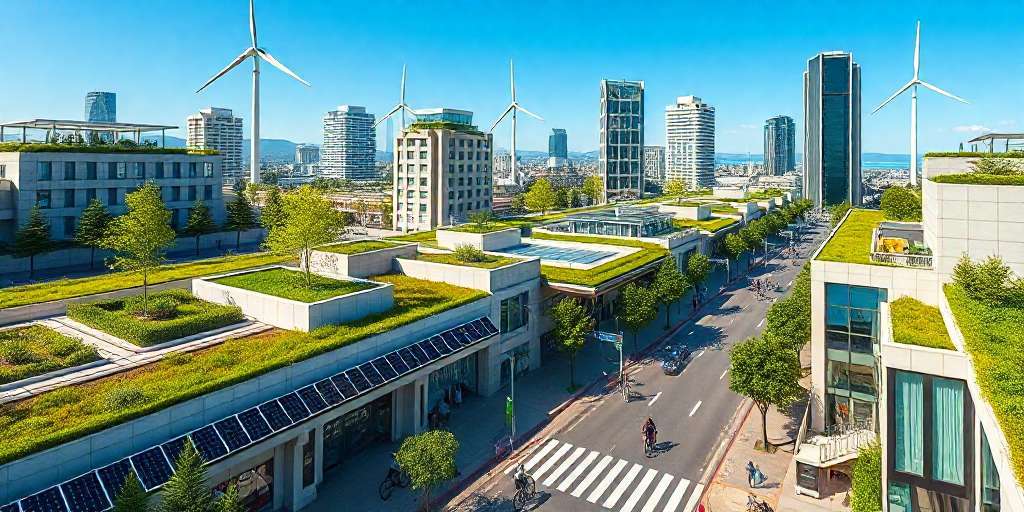
Achieving sustainable goals is crucial for addressing the world's challenges. The Sustainable Development Goals (SDGs) set forth by the United Nations provide a framework for countries to improve social, economic, and environmental conditions. Europe is committed to implementing these goals through various strategies and partnerships. This article explores the importance of the SDGs, the strategies for achieving them, and the challenges that need to be overcome.
Understanding the Sustainable Development Goals
Grasping the framework of the Sustainable Development Goals is essential for recognizing their holistic approach to global issues.
The Importance of the 2030 Agenda
The 2030 Agenda for Sustainable Development is a transformative blueprint aiming to address critical global challenges such as poverty, inequality, and environmental degradation. It signifies a collective commitment by nations to foster a more sustainable, fair, and thriving world for all. Recognizing that sustainable development is a shared responsibility, the Agenda advocates for an inclusive approach that combines social, economic, and environmental dimensions. This comprehensive perspective ensures that progress in one area supports advancements in others.
Overview of the 17 SDGs
The 17 Sustainable Development Goals are interconnected and address various aspects of human and environmental well-being. These goals serve as a guideline for nations to create targeted policies and initiatives aimed at achieving a sustainable future. Each goal has specific targets and indicators to measure progress effectively. The goals range from eradicating poverty and ensuring quality education to fostering gender equality and promoting climate action. This broad spectrum highlights the diverse nature of the challenges faced globally, thus necessitating cohesive efforts in addressing them.
Interconnectedness of Goals
The Sustainable Development Goals are inherently linked, emphasizing that actions taken in one area influence outcomes in others, underlining the need for a holistic approach to addressing global challenges. For instance, improving access to quality education (Goal 4) not only fosters individual empowerment but also contributes to economic growth (Goal 8) and gender equality (Goal 5). Similarly, initiatives targeting clean water and sanitation (Goal 6) enhance public health (Goal 3) and reduce inequalities (Goal 10). Such interconnections highlight the importance of developing integrated strategies to effectively address multiple objectives simultaneously.
Recognizing the interconnected nature of the goals is crucial for sustainable development. Collaborative efforts among various stakeholders, such as governments, civil society, and the private sector, are essential to ensuring that progress in one domain supports advances across others. As countries work towards achieving sustainable goals, it becomes evident that isolated actions are no longer sufficient. A comprehensive understanding of the SDGs' interrelatedness fosters synergy in policymaking and resource allocation, ultimately leading to a more effective pursuit of sustainability.
Strategies for Achieving the Goals
Implementing effective strategies is essential for the realization of sustainable development objectives. Various approaches facilitate the alignment of efforts across nations, organizations, and communities.
Strengthening Global Partnerships
Global partnerships are fundamental to driving progress towards sustainable development goals. Collaborative efforts bring together different stakeholders, including governments, businesses, and civil society, enhancing resource mobilization and knowledge sharing.
- Public-Private Partnerships (PPPs): These collaborations demonstrate how sectors can work hand-in-hand to address funding gaps and enhance service delivery.
- Multi-Stakeholder Initiatives: Engaging various stakeholders encourages innovation and broad perspectives that can lead to effective solutions.
- International Cooperation: Collaborative efforts on a global scale can strengthen commitments to the sustainable development agenda, promoting shared responsibilities.
Policy Integration and Innovative Financing
Integrating sustainable development goals into national policies is crucial for ensuring that all sectors contribute to achieving these targets. This integration allows for coherent approaches that align economic, social, and environmental policies.
- Aligning National Priorities: Countries must evaluate their current policies to align them with the objectives of the 2030 Agenda.
- Innovative Financing Mechanisms: Exploring new funding opportunities, such as impact investing and green bonds, can provide the financial support needed.
- Regulatory Frameworks: Establishing supportive regulations can facilitate sustainable business practices while promoting accountability.
Capacity Building and Awareness
Building capacity among stakeholders is paramount for empowering communities and institutions to implement sustainable initiatives successfully. Awareness campaigns increase understanding and commitment to the goals.
- Training Programs: Offering training and resources to local actors helps enhance their skills and knowledge regarding sustainable practices.
- Public Awareness Campaigns: Increasing awareness of the Sustainable Development Goals among citizens fosters a sense of ownership and encourages participation in local initiatives.
- Collaboration with Educational Institutions: Partnering with universities and research organizations can drive innovation and provide critical knowledge to support sustainable development efforts.
Addressing Key Challenges
To effectively achieve sustainable goals, addressing the key challenges is crucial. These challenges range from financial constraints to inadequate governance and insufficient data systems.
Overcoming Funding Barriers
One of the significant hurdles in achieving sustainability goals is securing adequate funding. Many countries, particularly developing nations, struggle to mobilize the financial resources necessary for implementing sustainable development strategies. The estimated investment required to meet the Sustainable Development Goals (SDGs) runs into trillions of euros.
Innovative financing mechanisms are essential. These can include:
- Public-private partnerships, which are crucial for leveraging private sector investment.
- Blended financing models that combine public funding with private investments to increase the available resources.
- Impact investments aimed at generating social and environmental impact alongside a financial return.
Governments must engage with financial institutions to create funding pathways that support sustainable initiatives. Moreover, enhancing international financial assistance can empower countries to develop their own sustainable practices without incurring excessive debt.
Enhancing Political Will and Governance
Effective governance and strong political will are necessary to drive sustainable development. Countries require stable political environments that support the implementation of the SDGs. However, challenges such as corruption, lack of accountability, and political instability hinder efforts.
Key approaches to strengthen governance include:
- Establishing frameworks that promote transparency and accountability in government actions.
- Engaging citizens and local communities in decision-making processes to foster public ownership of sustainable initiatives.
- Training and capacity-building for local governments to enhance their ability to implement sustainability strategies effectively.
Countries must work to build resilient institutions capable of adapting to and managing the complex challenges associated with sustainable development.
Improving Data and Monitoring Systems
Reliable data is critical for tracking progress toward sustainable goals. Many countries lack the comprehensive data needed to make informed decisions. Improving data collection, management systems, and analytical capabilities are essential for effective monitoring.
Key measures for enhancing data systems include:
- Investing in technology and infrastructure to support comprehensive data collection and dissemination.
- Encouraging collaboration between government agencies, academia, and civil society to share data and best practices.
- Establishing standard indicators to measure progress across different countries and sectors uniformly.
Improved data systems facilitate evidence-based policy-making and can help identify gaps in implementation, thereby ensuring that resources are allocated efficiently and effectively.
Focus on Critical Areas
The achievement of Sustainable Development Goals requires targeted actions in critical areas that directly impact people's lives and the health of our planet. Tackling these focal points is essential for advancing overall sustainability and well-being.
Ending Poverty and Zero Hunger
Addressing poverty and hunger is vital for creating a more equitable society. Global initiatives aim to eliminate extreme poverty and ensure food security for all individuals.
Social Protection and Resources Access
Implementing social protection systems is crucial for safeguarding vulnerable populations. These systems must provide access to essential resources, including employment, healthcare, and education. Targeted financial assistance can help lift individuals out of poverty and allow them to contribute positively to society.
Sustainable Agriculture and Nutrition
Sustainable agricultural practices must be adopted to ensure food security while preserving environmental resources. This approach includes promoting local food systems and reducing food waste. Improving nutrition involves educating communities about healthy eating and supporting local farmers in adopting environmentally friendly farming techniques.
Quality Education and Gender Equality
Access to quality education and achieving gender equality are interlinked objectives critical for sustainable development. Both elements empower individuals, enhance growth, and contribute to a more just society.
Inclusive and Equitable Quality Education
Education is one of the most powerful tools for breaking the cycle of poverty and inequality. Quality education must be inclusive, catering to the needs of all individuals regardless of their background. Investment in education infrastructure, teacher training, and accessible learning resources is essential for an equitable educational landscape.
Empowerment of Women and Girls
Empowering women and girls is crucial for achieving gender equality. This includes promoting their rights, increasing their participation in decision-making processes, and ensuring their access to education and employment opportunities. Investing in women's entrepreneurship can lead to significant benefits for families and communities.
Good Health and Well-being
Promoting health and well-being is fundamental in the pursuit of sustainable development. Ensuring access to healthcare services enables populations to thrive and communities to strengthen.
Universal Health Coverage
Universal health coverage ensures that all individuals receive the healthcare services they need without suffering financial hardship. This includes preventive healthcare, treatment services, and mental health support. Robust healthcare systems that prioritize equity and accessibility are vital to achieving good health outcomes.
Emerging Health Challenges
Rapid globalization, urbanization, and environmental changes result in new health challenges, such as pandemics and the rise of chronic diseases. Addressing these challenges requires adaptive healthcare systems, public health initiatives, and global cooperation to foster resilience against future health threats.
Environmental Sustainability and Climate Action
The protection of our environment is crucial for maintaining the planet's health and fostering a sustainable future. Climate action plays a vital role in achieving the sustainability goals outlined in the 2030 Agenda.
Clean Water and Sanitation
Access to clean water and proper sanitation is fundamental for promoting health and well-being. According to recent statistics, millions still lack safe drinking water, which exacerbates health problems and hinders development. Efforts to ensure clean water access must focus on:
- Implementing advanced water purification technologies.
- Improving wastewater treatment systems to prevent pollution.
- Enhancing the management of water resources to adapt to climate variability.
Affordable and Clean Energy
Transitioning to affordable, reliable, and sustainable energy sources is essential for reducing greenhouse gas emissions. This transition supports economic growth while addressing climate change. Key initiatives include:
- Investing in renewable energy sources such as solar, wind, and hydropower.
- Promoting energy efficiency in residential and commercial sectors.
- Facilitating access to modern energy services for underserved communities.
Life Below Water and Life on Land
Conservation of marine and terrestrial ecosystems is imperative for sustaining biodiversity and ensuring food security. Protecting these ecosystems requires comprehensive strategies, including:
Conserving Marine Ecosystems
Healthy oceans are vital for the climate and the livelihoods of countless communities. Measures to conserve marine ecosystems involve:
- Establishing marine protected areas to safeguard biodiversity.
- Implementing sustainable fishing practices to prevent overfishing.
- Reducing plastic pollution through effective waste management systems.
Sustainably Manage Forests
Forests are crucial for carbon sequestration, biodiversity, and the livelihoods of many communities. Sustainable forest management should include:
- Reforestation and afforestation efforts to restore degraded lands.
- Promoting agroforestry practices that integrate agriculture and forestry.
- Implementing policies to combat illegal logging and deforestation.
Economic Growth and Innovation
Economic growth and innovation are vital components of sustainable development. They drive job creation, improve living standards, and foster technological advancements that can address pressing global challenges. Fostering inclusive growth while ensuring environmental responsibility is essential for long-term success.
Decent Work and Economic Growth
Creating decent work opportunities is fundamental to achieving sustainable development. Quality employment not only enhances individual livelihoods but also contributes to community and national prosperity. A key focus is on ensuring that work is safe, equitable, and adequately compensated.
- Efforts should target vulnerable populations, ensuring access to decent jobs.
- Promotion of social protection systems can provide safety nets for those in need.
- Developing skills and vocational training is crucial for adapting to labor market demands.
Industry, Innovation and Infrastructure
Investment in robust infrastructure and innovative industrial processes is essential for economic resilience. Sustainable industrialization fosters innovation and drives economic diversification.
- Encouraging research and development can lead to breakthroughs in various sectors, including energy and transportation.
- Infrastructure development should focus on sustainable practices, minimizing environmental impact.
- Public-private partnerships can effectively mobilize resources for large-scale projects.
Responsible Consumption and Production
Achieving sustainable economic growth necessitates a shift toward responsible consumption and production practices. This approach not only conserves resources but also ensures that economic activities do not compromise environmental integrity.
- Encouraging sustainable production methods can reduce waste and pollution.
- Promoting awareness of sustainable consumption choices empowers consumers to make informed decisions.
- Implementing circular economy principles can enhance resource efficiency and reduce dependency on finite resources.
Promoting Peace and Strong Institutions
Achieving peace and establishing strong institutions are fundamental for fostering sustainable development. These elements create an environment where societies can thrive, ensuring justice and equity for all citizens.
Peace, Justice and Strong Institutions
Peace is essential for sustainable development, as it enables communities to flourish without the threats of violence or conflict. Strong institutions, including effective governance and rule of law, are crucial for maintaining peace and promoting justice. Citizens' trust in institutions can foster social cohesion and support the implementation of policies that benefit society as a whole.
- Promotion of transparent governance
- Strengthening legal frameworks
- Enhancing accountability and anti-corruption measures
Effective governance systems must prioritize human rights and provide avenues for community participation. Engaging citizens in governance processes can enhance legitimacy and contribute to more inclusive decision-making.
Reducing Inequality and Promoting Justice
Inequality can undermine social stability and hinder development. Addressing inequalities in wealth, resources, and opportunities is fundamental for fostering peaceful societies. Justice systems should ensure fair treatment for all, regardless of social status, gender, or ethnicity.
- Implementing equitable resource distribution policies
- Promoting gender equality in legal systems
- Creating inclusive social programs that support marginalized communities
Policies aimed at reducing inequality should be designed with an understanding of the specific needs of disadvantaged groups. Effective outreach and education can empower these populations, ensuring their voices are heard and valued in the decision-making process.
Urban Development in Sustainable Cities
Urban areas present unique challenges and opportunities in promoting peace and strong institutions. Sustainable urban development fosters environments where communities can access essential services, participate in governance, and engage in economic activities.
- Creating safe public spaces that foster community interaction
- Investing in inclusive housing initiatives
- Establishing efficient public transportation systems to enhance accessibility
Urban planning must incorporate the principles of sustainability and inclusivity, ensuring that all residents benefit from development initiatives. By prioritizing community engagement in urban development projects, cities can build resilience and foster a sense of belonging among residents.
The Role of the Private Sector
The private sector serves a crucial role in fostering sustainable development by leveraging resources, innovation, and expertise to address global challenges. Many businesses have integrated sustainability into their core operations, understanding the importance of aligning their practices with global initiatives.
Corporate Social Responsibility Initiatives
Corporate Social Responsibility (CSR) has emerged as a fundamental element for businesses looking to contribute to the Sustainable Development Goals (SDGs). Companies undertake various initiatives aimed at minimizing their environmental impact, promoting social equity, and ensuring ethical governance. Key areas of focus include:
- Environmental sustainability practices, such as reducing carbon footprints and enhancing energy efficiency.
- Community engagement through local outreach programs that support education, health, and economic development.
- Fair labor practices that promote decent work conditions, equal pay, and diversity within the workforce.
Business Strategies Aligned with achieving sustainable goals
Integrating SDGs into business strategies presents opportunities for innovation and growth. Companies are increasingly recognizing that sustainable practices can drive profitability while addressing critical challenges. Approaches include:
- Adopting sustainable supply chain practices that encourage sourcing materials responsibly and ethically.
- Investing in research and development to create sustainable products or services that meet market demands while adhering to environmental standards.
- Utilizing technology and digital solutions to enhance operational efficiency and reduce environmental impacts.
Collaboration with Governments and Civil Society
Collaboration is essential for amplifying the impact of private sector efforts in achieving sustainable goals. By working together, businesses, governments, and civil society can create more inclusive solutions. Forms of collaboration include:
- Public-private partnerships that leverage resources and expertise for joint projects aimed at addressing social and environmental issues.
- Engagement in multi-stakeholder initiatives that focus on specific SDGs, allowing for collective action and shared accountability.
- Participating in local and global networks that facilitate knowledge sharing and best practices for sustainable development.
As businesses continue to embrace their role in sustainable development, the private sector’s contributions will be pivotal in driving progress towards achieving broader global objectives. By aligning their strategies with sustainable principles, companies not only enhance their competitiveness but also contribute to the well-being of communities and the planet.
Leave a Reply