Supply Chain Traceability Tools for Sustainable Business Solutions
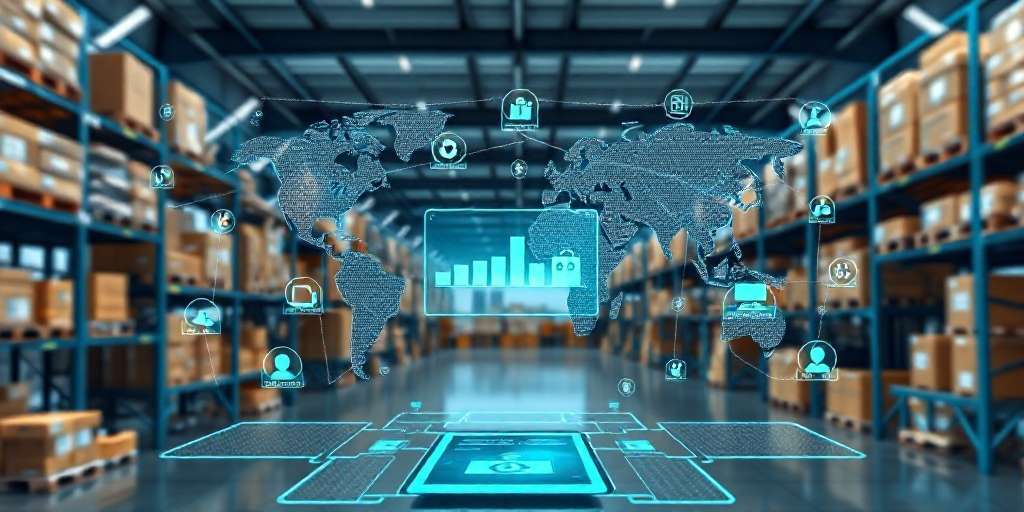
Supply chain traceability tools are essential for modern businesses to track and verify the journey of products. These tools help companies ensure compliance with regulations and meet consumer demands for transparency.
Understanding the importance of these tools is crucial for improving sustainability and operational efficiency. Various technologies, including blockchain and real-time data tracking, play significant roles in enhancing supply chain visibility.
- Understanding Supply Chain Traceability
- Major Tools for Supply Chain Traceability
- The Role of Blockchain in Traceability
- Enhancing Supply Chain Visibility with Technology
- Improving Sustainability and Compliance
- Overcoming Challenges in Implementation
- Leveraging Insights for Better Decision-Making
- Future Trends in Traceability Solutions
- Case Studies of Successful Implementation
Understanding Supply Chain Traceability
Supply chain traceability is a fundamental concept that encompasses the ability to track and verify the flow of products through every stage of the supply chain. This section delves into its definition, significance, and the regulatory environment surrounding it.
Definition and Key Concepts
Supply chain traceability refers to the systematic approach of tracking the history, application, and location of products or their components throughout the supply chain. It involves various aspects, including:
- Origin Tracking: The ability to determine where raw materials and components originate.
- Process Monitoring: Keeping track of production steps, ensuring that processes comply with safety and quality standards.
- Distribution Oversight: Monitoring the path products take from manufacturers to retailers, ensuring proper handling and storage.
- Consumer Transparency: Providing consumers with detailed information about the products they purchase, enhancing confidence in sourcing practices.
Importance in Modern Business
Traceability has become increasingly vital in today's complex and globalized marketplace. Businesses recognize that transparency not only satisfies regulatory demands but also aligns with consumer preferences for ethical and sustainable practices. The key reasons for its importance include:
- Risk Management: Effective traceability allows companies to identify and address potential risks quickly, minimizing the impact of recalls or safety issues.
- Brand Reputation: Companies that demonstrate strong traceability practices can enhance their reputation, building trust with their customers and stakeholders.
- Operational Efficiency: Understanding the supply chain dynamics facilitates better inventory management, reducing waste and optimizing resource allocation.
- Compliance Assurance: With increasing regulations globally, traceability aids companies in maintaining compliance with legal requirements related to environmental and social governance.
Regulatory Requirements
The regulatory landscape surrounding supply chain traceability is evolving to address contemporary concerns about sustainability and consumer safety. Notable requirements include:
- EU Regulations: The European Union has implemented legislation mandating greater transparency, compelling businesses to trace products, especially in sectors like food and textiles.
- Compliance with Standards: Organizations often seek certification against international standards such as ISO, which dictate specific traceability requirements to maintain quality and safety.
- Environmental Regulations: Businesses are increasingly held accountable for the environmental impact of their supply chains, necessitating comprehensive traceability frameworks that document sustainability practices.
Major Tools for Supply Chain Traceability
In the landscape of supply chain traceability, various tools provide essential functionalities. These tools empower businesses to enhance transparency, comply with regulations, and improve operational efficiency. The following tools are among the most prominent in the industry.
IBM Sterling Transparent Supply
IBM Sterling Transparent Supply offers a comprehensive solution designed to enhance visibility across supply chains. This tool enables organizations to track products from their origin through every stage of the supply chain. By providing a shared, distributed ledger, it fosters trust among partners and stakeholders. Companies can monitor real-time data, improving their response times and operational efficiency.
- Key Features:
- Visualization of supplier networks
- Detailed tracking of product origin
- Promotes transaction efficiency
These features make it a preferred choice for businesses looking to enhance their supply chain integrity.
Inspectorio
Inspectorio is renowned for its use of artificial intelligence to optimize supply chain management. The tool enables brands and retailers to monitor production processes and ensure fair labor conditions. Its real-time visibility into performance metrics helps organizations mitigate regulatory risks effectively.
- Key Features:
- AI-driven analytics for performance optimization
- Real-time monitoring of compliance with standards
- Enhanced collaboration with suppliers
This functionality supports businesses in maintaining ethical standards throughout the supply chain.
ZetesOlympus
ZetesOlympus has been a frontrunner in providing traceability solutions across various sectors, including pharmaceuticals and food products. The software helps organizations proactively address traceability challenges, enabling better management of product withdrawals and combating unauthorized distribution.
- Key Features:
- Verification of product provenance
- Management tools for product recalls
- Support for anti-counterfeiting measures
This multi-faceted approach is invaluable for industries where safety and compliance are paramount.
Transparency-One
Transparency-One focuses on mapping supply chains and engaging suppliers to ensure responsible sourcing. The platform provides real-time monitoring capabilities and compliance analysis, enabling firms to reduce risks associated with their supply chains.
- Key Features:
- Mapping of supply networks in detail
- Supplier engagement for enhanced collaboration
- Comprehensive compliance tracking
This tool plays a critical role for businesses prioritizing sustainability and ethical sourcing practices. Its robust capabilities are crucial for navigating increasingly complex supply chains.
The Role of Blockchain in Traceability
Blockchain technology has emerged as a transformative force in enhancing transparency and accountability within supply chains. Its decentralized nature allows for better tracking of products from origin to consumer, ensuring integrity and reducing the risks associated with fraud and errors.
Blockchain-Based Solutions
Various companies are leveraging blockchain to create robust solutions for supply chain traceability. By utilizing distributed ledger technology, businesses can record every transaction involving a product, creating an immutable history that can be audited at any point.
Distributed Ledgers
These ledgers enable multiple parties to maintain a consensus on transaction history. Each participant in the supply chain has access to the same data, minimizing discrepancies and fostering trust.
Smart Contracts
Smart contracts automate agreements when certain conditions are met. They can facilitate actions such as payments or trigger alerts when a product moves from one stage to another, enhancing operational efficiency.
Interoperability
Many blockchain solutions are designed to integrate with existing systems. This compatibility aids companies in adopting blockchain without overhauling their entire technological infrastructure.
Benefits of Blockchain Technology
The adoption of blockchain in supply chain traceability offers several key advantages:
Immutability
Once recorded in the blockchain, data cannot be altered or deleted. This feature is crucial for maintaining the integrity of product data and ensuring that information available to stakeholders is accurate.
Enhanced Security
Blockchain provides a higher level of security compared to traditional systems. Through cryptographic techniques, data is protected from unauthorized access and tampering.
Increased Transparency
All parties involved in the supply chain can view the same information, which fosters collaboration and helps in quickly resolving disputes or discrepancies that may arise.
Traceable Audit Trails
Every transaction on a blockchain creates a traceable audit trail, allowing companies to easily track the history and logistics of products, which is vital during recalls or quality checks.
Challenges in Blockchain Adoption
While blockchain presents numerous benefits, companies face challenges when implementing this technology in their supply chains:
Resistance to Change
Many organizations have established processes and systems. Shifting to a blockchain-based system often requires significant organizational change, which can meet with resistance from employees and stakeholders.
Initial Investment Costs
The upfront costs associated with integrating blockchain solutions can be substantial. Smaller companies, in particular, may struggle with the financial implications of transitioning to this technology.
Public vs. Private Blockchains
Deciding between public and private blockchains is critical. Public blockchains offer greater transparency, while private blockchains provide enhanced control over who has access to the data.
Regulatory Concerns
As blockchain is still a relatively new technology, regulations surrounding its use are evolving. Companies must navigate these regulations to ensure compliance while implementing blockchain solutions.
Enhancing Supply Chain Visibility with Technology
Improving visibility within supply chains is increasingly crucial in today’s complex business environment. Technologies that facilitate this enhancement provide companies with the ability to track processes, monitor workflows, and ensure greater transparency across all stages of production and distribution.
Real-Time Data Tracking
Real-time data tracking has become an essential component for enhancing supply chain visibility. By offering immediate insights into inventory levels, shipment statuses, and production timelines, companies can react swiftly and effectively to any disruptions or changes in demand. Advanced tracking technologies utilize IoT sensors, RFID tags, and GPS systems to gather data throughout the supply chain.
- IoT Sensors: These devices monitor environmental conditions, ensuring that products are stored and transported under optimal circumstances. This technology is particularly significant in industries such as food and pharmaceuticals, where product integrity is paramount.
- RFID Tags: Radio-frequency identification tags facilitate automated tracking of goods as they move through various stages. This leads to enhanced inventory accuracy and reduces manual errors.
- GPS Systems: Global Positioning Systems provide real-time location tracking for shipments, allowing companies to keep customers informed about delivery times and any potential delays.
Digital Product Passports
The implementation of digital product passports is revolutionizing supply chain transparency. This concept involves creating a comprehensive digital identity for each product, containing essential information about its origin, materials, and manufacturing processes. Such passports facilitate better consumer awareness and trust.
- Transparency in Sourcing: Digital passports enhance consumer confidence by providing traceability regarding ethical sourcing practices and sustainability metrics.
- Regulatory Compliance: Maintaining detailed product passports helps businesses adhere to increasingly stringent regulations concerning traceability and environmental standards.
- Lifecycle Information: These passports can also incorporate data about the product's lifecycle, informing consumers about the environmental impact and disposal options at the end of life.
End-to-End Supply Chain Mapping
End-to-end supply chain mapping involves creating a detailed representation of every step within the supply chain, from raw material extraction to consumer delivery. This comprehensive mapping is essential for identifying bottlenecks, redundancies, and potential risks.
- Optimal Resource Allocation: Mapping allows organizations to visualize resource flows, enabling them to allocate materials and labor more efficiently.
- Risk Assessment: By understanding the entirety of the supply chain, businesses can better anticipate potential disruptions and devise contingency plans.
- Enhanced Collaboration: Visual representations improve communication and collaboration among stakeholders by clearly illustrating roles and responsibilities, fostering a stronger partnership throughout the supply chain.
Improving Sustainability and Compliance
Enhancing sustainability and compliance has become a central focus for many businesses. With growing environmental and social expectations, companies are adopting strategies that ensure responsible practices throughout their supply chains.
Sustainable Supply Chains
Sustainable supply chains are characterized by their commitment to minimizing environmental impact and promoting social responsibility. This involves integrating sustainability into every aspect of the supply chain process. Several key principles guide the establishment of sustainable supply chains:
- Resource Efficiency: Reducing waste and optimizing the use of materials across the entire supply chain.
- Supplier Selection: Choosing suppliers based on their environmental and ethical practices, ensuring they meet sustainability criteria.
- Eco-Friendly Packaging: Implementing biodegradable or recyclable packaging materials to minimize ecological footprints.
- Life Cycle Assessment: Evaluating the environmental impact of products throughout their life cycle, from raw material extraction to disposal.
A commitment to sustainability not only benefits the environment but also enhances brand reputation and customer loyalty. Companies that actively pursue sustainable supply chains are often viewed more favorably by consumers and stakeholders alike.
Compliance Management Tools
Compliance management tools play a crucial role in ensuring that businesses adhere to environmental regulations and industry standards. These tools facilitate the monitoring and reporting of compliance activities, making it easier for organizations to manage requirements effectively. Key features of compliance management tools include:
- Automated Reporting: Streamlining the reporting process to ensure timely submissions of compliance documentation.
- Risk Assessment: Identifying potential compliance risks within the supply chain and implementing mitigation strategies.
- Audit Management: Simplifying the audit process by organizing documentation and tracking regulatory changes.
- Training and Awareness: Providing modules that help employees understand compliance obligations and best practices.
By utilizing these tools, companies can enhance their accountability, improve internal processes, and reduce the risk of non-compliance, ultimately fostering a culture of transparency and responsibility.
Ensuring Ethical Practices
Ensuring ethical practices throughout the supply chain is vital for building consumer trust and maintaining corporate integrity. Companies must adopt strategies that promote ethical conduct among suppliers and all stakeholders. Important approaches include:
- Supplier Audits: Regularly assessing suppliers to ensure adherence to ethical practices and human rights standards.
- Ethical Code of Conduct: Developing and enforcing a code of conduct that outlines the expectations for ethical behavior across the supply chain.
- Stakeholder Engagement: Collaborating with stakeholders to gain insights into ethical issues and best practices within the industry.
- Transparency Initiatives: Communicating openly about sourcing practices and the steps taken to uphold ethical standards.
Promoting ethical practices not only minimizes risks associated with human rights violations but also aligns corporate values with consumer expectations, creating a positive impact on brand loyalty.
Overcoming Challenges in Implementation
Implementing supply chain traceability tools presents various challenges that organizations must address to successfully enhance their operations. These challenges can be categorized into areas like change management, cost concerns, and data accuracy.
Managing Change Within Organizations
To successfully implement traceability tools, organizations face the intricate process of managing change. Resistance from employees is common, particularly in established businesses where existing workflows are the norm. Companies must prioritize effective communication and training to ease this transition.
Change management strategies should include:
- Engaging employees early in the process to gather feedback.
- Providing thorough training sessions tailored to various roles in the organization.
- Emphasizing the benefits of new traceability tools to foster a culture of acceptance.
- Establishing clear lines of support for employees to address their concerns.
Navigating these human factors effectively can significantly mitigate resistance and enhance the adoption rates of new technologies.
Cost Considerations
The financial implications of implementing supply chain traceability tools can be a daunting barrier, particularly for small to medium-sized enterprises (SMEs). The initial investment often includes software purchases, system integrations, and ongoing maintenance costs. Companies need to develop a clear understanding of the return on investment (ROI) associated with these tools.
To manage costs effectively, organizations should consider:
- Conducting a cost-benefit analysis to justify the investment.
- Exploring flexible pricing plans offered by various technology providers.
- Phasing in the implementation process to spread costs over time.
- Utilizing industry partnerships to share resources and knowledge.
This strategic approach can help organizations remain financially viable while enhancing their operational capabilities.
Ensuring Data Accuracy
The effectiveness of traceability tools relies heavily on the quality of the data collected. Inaccurate or incomplete data can lead to misinformation and undermine the entire supply chain management process. Therefore, companies must prioritize maintaining high data integrity throughout their systems.
Strategies for ensuring data accuracy include:
- Regular audits of data inputs and usage to identify discrepancies.
- Implementing standardized data collection procedures across all departments.
- Integrating automated data validation systems to reduce human error.
- Providing ongoing training to employees responsible for data management.
These measures will significantly enhance the reliability of the information collected, supporting better decision-making and contributing to more efficient supply chain operations.
Leveraging Insights for Better Decision-Making
The ability to leverage insights within supply chains plays a crucial role in enhancing decision-making processes. Businesses that capitalize on data-driven insights can optimize their operations and address challenges effectively. Understanding advanced analytics, predictive management, and supplier dynamics is essential for achieving these improvements.
Advanced Data Analytics
Advanced data analytics encompasses a range of techniques and technologies that enable organizations to analyze historical data and draw actionable insights. It involves utilizing sophisticated statistical methods and algorithms to identify patterns and trends within the supply chain.
- Data Integration: Integrating data from various sources, such as ERP systems, CRM software, and vendor platforms, enables a comprehensive view of the supply chain.
- Descriptive Analytics: This method focuses on understanding historical performance by analyzing data trends. It provides insights into past events and helps identify areas for improvement.
- Prescriptive Analytics: By applying algorithms that suggest various actions based on predictive data, organizations can optimize their inventory levels and delivery schedules.
- Visualization Tools: Advanced analytics tools often feature user-friendly dashboards that visualize complex data, making it easier for decision-makers to comprehend supply chain dynamics.
Predictive Supply Chain Management
Predictive supply chain management leverages data analytics to forecast future demand and supply trends. This approach utilizes machine learning and statistical modeling to analyze past performances and predict future outcomes. Accurate forecasting allows businesses to make informed decisions regarding inventory levels and resource allocation.
- Demand Forecasting: By analyzing historical sales data, companies can better anticipate customer demand, leading to more accurate inventory management.
- Risk Assessment: Predictive analytics can identify potential supply chain disruptions, enabling organizations to implement contingency plans proactively.
- Optimized Procurement: Predictive models assist organizations in making more informed purchasing decisions based on anticipated market conditions, thus reducing costs.
Supplier Relationship Management
Effective supplier relationship management (SRM) is key to enhancing collaboration and performance within the supply chain. By leveraging insights from data analytics, organizations can strengthen their partnerships with suppliers.
- Performance Metrics: Organizations can establish and monitor key performance indicators (KPIs) to evaluate supplier performance continually, ensuring adherence to standards.
- Collaboration Tools: Implementing digital platforms for communication and data sharing fosters transparency between suppliers and organizations, leading to enhanced cooperation.
- Strategic Sourcing: Data insights allow for identifying and engaging with suppliers that align with the organization’s goals for quality, cost, and sustainability.
Future Trends in Traceability Solutions
As global supply chains continue to evolve, innovative technologies and practices are shaping the future of traceability solutions. These advancements are set to enhance transparency, efficiency, and sustainability in various sectors.
Innovations in Traceability Technology
Emerging technologies are revolutionizing traceability in supply chains. Key innovations include:
- Blockchain integration, which provides a secure and immutable record of transactions.
- Internet of Things (IoT) devices that enable real-time monitoring of products as they move through the supply chain.
- Digital twins that create virtual replicas of physical assets, facilitating better management and optimization of supply chain processes.
- Smart contracts that automate transactions and agreements based on predefined conditions, streamlining operations and reducing errors.
These technologies not only improve operational efficiency but also enhance the ability to track compliance with ethical and environmental standards.
Impact on Global Supply Chains
The influence of traceability solutions extends beyond mere compliance. They reshape global supply chains by:
- Increasing consumer trust through enhanced product transparency.
- Facilitating quicker responses to disruptions by providing real-time visibility.
- Encouraging collaboration among supply chain partners, fostering shared goals related to sustainability.
- Driving regulatory compliance across borders, as more countries enforce strict traceability standards.
As organizations prioritize resilience and sustainability, traceability tools will play a crucial role in managing complex international supply chains.
The Role of AI and Machine Learning
Artificial intelligence and machine learning technologies are becoming integral to traceability solutions. Their applications include:
- Data analytics to gain insights from vast amounts of supply chain data, identifying trends and anomalies.
- Predictive modeling that helps anticipate disruptions and optimize inventory management.
- Automated reporting systems that streamline compliance documentation and improve audit readiness.
- Enhanced risk assessment tools that evaluate supplier reliability and product quality.
These advancements enable companies to make informed decisions, improve operational efficiencies, and boost overall supply chain performance.
Case Studies of Successful Implementation
Analyzing real-world examples provides valuable insights into the effective application of supply chain traceability tools. Several leading brands have showcased innovative approaches that enhance transparency and accountability within their supply chains.
Leading Brands and Their Approaches
Numerous prominent companies have successfully integrated traceability tools into their operations, demonstrating significant advancements in sustainability and compliance. Some of these brands include:
- Unilever: This consumer goods giant utilizes blockchain technology to trace the origin of its ingredients. By implementing a traceability system, Unilever can ensure that its palm oil is sustainably sourced. This enhances its commitment to environmental responsibility and provides consumers with verifiable information about product origins.
- Nike: Nike has invested in digital product passports, allowing for better tracking of materials from manufacturing to retail. This initiative helps the company minimize waste and encourages responsible sourcing practices, aligning with their sustainability goals.
- Walmart: Through a partnership with IBM, Walmart has implemented a blockchain-based traceability system for its food supply chain. This tool enables quick identification of the source of products, ensuring food safety and transparency. This approach has significantly reduced the time taken to trace food origins from days to mere seconds.
Lessons Learned from Trailblazers
The experiences of these leading brands highlight several critical lessons regarding the implementation of traceability tools:
- Collaboration with Suppliers: Engaging suppliers in the traceability process is essential. Successful brands emphasize the importance of collaboration to ensure shared responsibility and commitment to transparent practices.
- Adoption of Standard Data Formats: Implementing standardized data formats facilitates smoother integration with various stakeholders across the supply chain, promoting better communication and data sharing.
- Investment in Training and Education: Organizations that prioritize training for employees involved in the traceability process tend to experience more effective implementations. Continuous education helps to foster a culture of accountability and awareness regarding sustainability goals.
Best Practices for Adoption
To achieve successful adoption of traceability tools, organizations can follow several best practices derived from industry experiences:
- Start Small: Initial projects should focus on specific segments of the supply chain. Gradually expanding traceability can yield more manageable results and allow for learning from early experiences.
- Utilize Technology Appropriately: Leverage appropriate technology that aligns with the organization's needs and capabilities. This includes considering both current systems and potential upgrades to facilitate data flow and traceability.
- Focus on Customer Engagement: Providing customers with transparent information regarding product origins builds trust and enhances brand loyalty. Leveraging storytelling around traceability can effectively engage consumers.
Leave a Reply