Agriculture Traceability Software: Enhancing Food Safety and Transparency
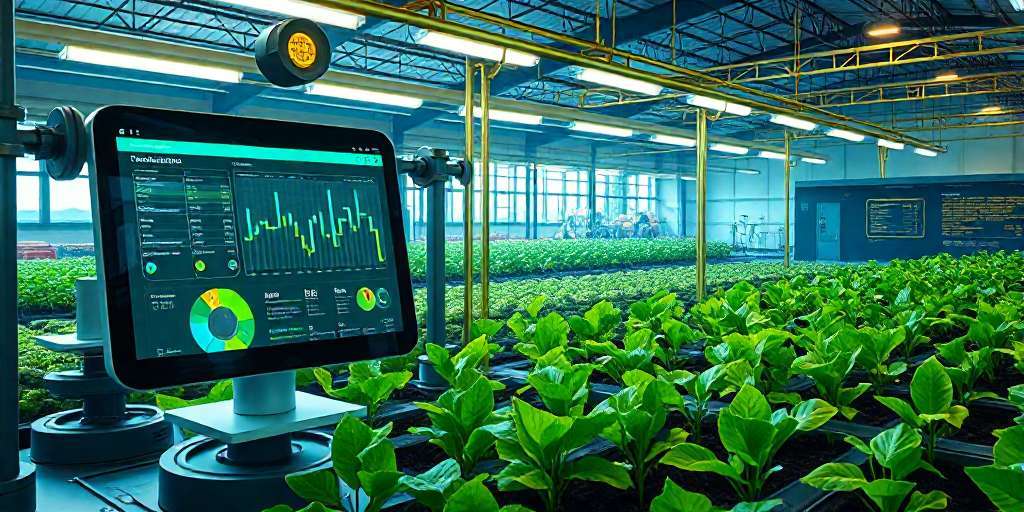
Agricultural traceability software plays a crucial role in modern farming. It allows tracking of products from the field to the consumer, ensuring quality and safety throughout the supply chain.
This software helps farmers meet regulatory requirements and respond to consumer demands for transparency. Key features include data management, compliance tracking, and supply chain integration.
Understanding Agriculture Traceability Software
Agriculture traceability solutions plays a significant role in ensuring the safety and quality of food products. This section explores the key aspects that define this technological approach.
What is Agricultural Traceability?
Agricultural traceability refers to the ability to track and trace the production processes of food products throughout the entire supply chain. This allows stakeholders, from farmers to consumers, to gain insights into the origins and handling of agricultural goods. Key benefits include:
- Ensuring food safety by monitoring practices.
- Facilitating compliance with regulatory standards.
- Enhancing transparency in food sourcing.
Importance in the Agricultural Industry
The importance of agricultural traceability cannot be overstated. In an era where consumers are increasingly concerned about food safety and sourcing, traceability systems offer several advantages:
- Increased consumer confidence in food products.
- Enhanced ability to respond to food safety incidents.
- Strengthened market access, particularly in regions with strict food safety regulations.
Key Components of Traceability Software
Agricultural traceability software consists of several critical components that work together to provide comprehensive insights into the food supply chain. Some of these components include:
- Data Management: Collecting and organizing data throughout the production process.
- Supply Chain Integration: Linking various stakeholders for seamless information sharing.
- Regulatory Compliance: Tools designed to help users adhere to local and international standards.
- Real-time Monitoring: Tracking product conditions and movements in real-time to ensure quality.
Features and Benefits
The implementation of agricultural traceability software offers numerous features and benefits that significantly enhance operational efficiency and product safety in the agricultural sector. Organizations can better manage data, integrate supply chains, ensure compliance, and improve food quality through these advanced tools.
Data Management and Record Keeping
Effective data management is crucial in the agricultural sector. This software facilitates:
- Centralized data storage, allowing easy access to essential information.
- Real-time data collection, providing updates on production practices and outputs.
- Detailed record keeping, ensuring farmers can track and document every step of the process, from sowing to harvest.
These capabilities support informed decision-making and enhance overall productivity.
Integration with Supply Chains
Seamless integration with supply chains is a key feature of traceability software, which enables:
- Improved communication among stakeholders, including producers, distributors, and retailers.
- Real-time tracking of products at each stage of the supply chain.
- Efficient inventory management, reducing waste and improving response times.
This integration fosters a more cohesive operation that can respond swiftly to market demands.
Compliance with Regulations
Compliance with food safety and agricultural regulations is essential in today’s market. Traceability solutions assist organizations by:
- Providing tools to meet local and international standards like Global GAP.
- Automating documentation processes to streamline compliance reporting.
- Ensuring that businesses are prepared for inspections and audits.
By maintaining rigorous standards, organizations build consumer trust and avoid legal penalties.
Enhancing Food Safety and Quality
Food safety is paramount in the agricultural industry. The benefits of traceability software in this regard include:
- Implementing enhanced monitoring practices to detect potential hazards early.
- Utilizing data analysis for proactive quality assurance measures.
- Facilitating swift product recalls when necessary, safeguarding public health.
Ultimately, these features contribute to higher food quality and increased consumer confidence.
Popular Platforms for Agricultural Traceability
Several software platforms have emerged as leaders in the agricultural traceability landscape. These platforms offer varying features tailored to the needs of farmers, distributors, and retailers, enhancing the overall efficiency and transparency of the supply chain.
Software Solutions Overview
Different software solutions cater to agricultural traceability, supporting farmers and supply chain participants in effectively tracking products. Key platforms include:
- Trace Agtech: Offers comprehensive tracking capabilities from farm to market, emphasizing data collection and real-time updates.
- AgriChain: Focuses on integrating data across the supply chain, making it easier for stakeholders to communicate and collaborate.
- SourceTrace: Utilizes advanced digital solutions to enhance traceability through real-time data collection and blockchain technology.
- INATrace: Promotes transparency in agricultural practices, allowing consumers to access information about product origins and production methods.
Choosing the Right Platform
Selecting the most suitable agricultural traceability software involves several considerations:
- Scalability: The platform should accommodate the growth of the business, adapting to increasing demands.
- User-Friendliness: Ease of use is crucial for effective adoption, particularly for those with limited technical expertise.
- Features and Customization: Different farms have unique needs; customization options enable tailoring the software to specific requirements.
- Support and Training: Robust customer support and comprehensive training are essential for smooth implementation.
Integration with Farm Management Systems
Effective traceability software should not operate in isolation. Integration with existing farm management systems enhances overall efficiency:
- Data Synchronization: Seamless data sharing between systems streamlines operations, reducing manual entry errors.
- Holistic Management: Combining traceability features with other management tools enables comprehensive oversight of farm activities, improving decision-making.
- Cost Efficiency: Integrated systems can lead to better resource allocation, ultimately reducing operational costs.
Challenges in Implementation
Implementing agricultural traceability software presents several obstacles that organizations must navigate. These challenges can impede the successful adoption and effectiveness of such systems.
Cost Implications
The financial aspect of implementing traceability software can be significant. Costs may arise from software purchase, installation, and maintenance. For small and medium-sized farms, these expenses can be a considerable burden. Factors contributing to costs include:
- Initial software acquisition fees.
- Ongoing subscription costs for cloud-based services.
- Expenses related to hardware requirements, such as mobile devices and scanning equipment.
- Potential costs associated with customizing the software to fit specific operational needs.
Understanding and planning for these costs is crucial to ensure that investments provide a return in terms of improved efficiency and compliance.
Training and Adoption of Technology
Training staff to effectively use the software is essential for successful implementation. Resistance to change from traditional methods to digital solutions may be common among workers. Key considerations include:
- Development of comprehensive training programs tailored to different user levels.
- Ensuring that all employees are comfortable with technology before full implementation.
- Providing ongoing support and resources to address any issues that arise during the transition.
Without adequate training, the potential of traceability software may not be fully realized, leading to inefficiencies and errors.
Ensuring Interoperability Across Platforms
Interoperability is crucial for traceability systems to function efficiently across various platforms and devices. Challenges in this area can hinder the flow of information between stakeholders. Important aspects include:
- Compatibility between different software solutions within the supply chain.
- The ability to share data seamlessly among producers, distributors, and retailers.
- Addressing data privacy concerns while ensuring open communication.
A lack of interoperability can create data silos, making it difficult to achieve a comprehensive view of the supply chain and defeating the purpose of traceability initiatives.
The Future of Traceability in Agriculture
The agricultural sector is increasingly focusing on improving transparency and traceability. As technology evolves, new trends are shaping the future of how traceability is implemented and managed across the industry.
Emerging Trends in Traceability Software
Several key trends are emerging in the realm of agricultural traceability software, driven by technological advancements and changing consumer expectations:
- Adoption of blockchain technology for secure, tamper-proof records.
- Use of artificial intelligence for predictive analysis and enhanced decision-making.
- Integration of Internet of Things (IoT) devices to provide real-time data from farms.
- Increased focus on sustainability analytics to track environmental impacts.
Impact of Digital Solutions
The rise of digital solutions is revolutionizing traceability practices within the agricultural industry.
- Cloud-based platforms allow for scalable data management and accessibility from various locations.
- Mobile applications enable farmers to record and access data anytime, enhancing efficiency.
- Data analytics tools help in deriving insights that directly inform agricultural practices.
Building Trust and Transparency in Supply Chains
Enhancing trust and transparency within supply chains is becoming a priority as consumers demand better information regarding their food sources.
- Real-time tracking allows consumers to trace products back to their origins, improving confidence in food safety.
- Transparent reporting systems that share information about production practices promote ethical sourcing.
- Collaboration among stakeholders in the supply chain fosters a shared commitment to quality and sustainability.
Frequently Asked Questions
This section addresses common queries related to agriculture traceability solutions, providing insights into its benefits, impact on food safety, and applicability for small farms.
What are the Main Benefits for Farmers?
Farmers can enjoy numerous advantages when implementing agriculture traceability software. Key benefits include:
- Improved Decision-Making: Access to real-time data helps farmers make informed choices regarding crop management and resource allocation.
- Enhanced Market Access: Transparent practices can open doors to premium markets that value traceable products.
- Increased Efficiency: Streamlined operations reduce waste and improve overall productivity within agricultural practices.
- Consumer Confidence: Traceability builds trust, as consumers are increasingly concerned about food safety and origin.
How Does Traceability Enhance Food Safety?
Traceability plays a crucial role in food safety by ensuring products can be tracked throughout the supply chain. This includes:
- Quick Response to Contamination: In the event of a food safety issue, knowing the source of contamination allows for swift action to mitigate risks.
- Compliance with Regulations: Adhering to food safety standards is simplified, as traceability systems document necessary compliance information.
- Quality Control: Regular monitoring of practices and inputs used in production ensures higher quality products for consumers.
Can Small Farms Implement Traceability Solutions?
Small farms can certainly benefit from traceability solutions. While challenges exist, there are several considerations:
- Cost-Effective Options: Many software solutions cater specifically to the needs of small-scale producers, offering affordable pricing models.
- Simplified Processes: User-friendly interfaces can facilitate easier implementation and daily use by farmers with limited technical expertise.
- Support and Resources: Access to training and guidance can help small farmers successfully adopt and maximize traceability software.
Farm traceability software
Farm traceability software is an essential tool for modern agricultural practices, enabling farmers to monitor their products from seed to market. This technology not only enhances food safety but also provides a transparent view of the production process. Key benefits include:
- Improved tracking of crop inputs and outputs.
- Enhanced compliance with food safety regulations.
- Increased consumer trust through transparency.
Integrating farm traceability software into daily operations can significantly streamline processes. By utilizing real-time data, farmers can make informed decisions that optimize productivity. Some critical features of such software are:
- Automated record-keeping for better accuracy.
- Integration with existing farm management systems.
- Detailed reporting tools for compliance audits.
As consumer demand for transparency grows, farm traceability software plays a vital role in meeting these expectations. By allowing consumers to trace the origins of their food, farmers can demonstrate their commitment to quality and safety. This capability is becoming increasingly essential in the competitive agricultural market.
To better understand the options available, here's a comparison of popular farm traceability software:
| Software | Key Features | Target Users |
|---|---|---|
| Trace Agtech | Real-time tracking, data collection | Farmers and distributors |
| AgriChain | Supply chain integration, communication tools | Producers and retailers |
| SourceTrace | Blockchain technology, digital solutions | All stakeholders |
| INATrace | Transparency features, consumer access | Farmers and consumers |
Farm product traceability software
Farm product traceability software is essential for enhancing the transparency and safety of agricultural goods. By enabling producers to monitor each step of the supply chain, this software plays a vital role in ensuring that consumers receive high-quality products. Key functionalities often include:
- Batch Tracking: Allows for the identification of specific batches of products, ensuring accountability.
- Origin Verification: Confirms the source of agricultural products, enhancing consumer trust.
- Data Analytics: Provides insights into production practices and potential areas for improvement.
Implementing farm product traceability software can significantly reduce the risk of food safety incidents. In the event of a recall, this technology enables quick identification of affected products, minimizing impact on public health. Additionally, traceability systems help farmers comply with regulatory standards, which is increasingly crucial in today's market.
Farm product traceability software also facilitates better communication between various stakeholders in the supply chain. From producers to retailers, having access to shared data enhances collaboration and ensures that everyone is informed about product conditions. As a result, this leads to improved inventory management and reduced waste.
As the agricultural sector evolves, the integration of advanced technologies such as IoT and blockchain within farm product traceability software is becoming more prevalent. These innovations not only enhance the accuracy of data collection but also provide secure and tamper-proof records, further bolstering consumer confidence in food safety.
Leave a Reply