Trace Agtech: Optimizing Agriculture for a Sustainable Future
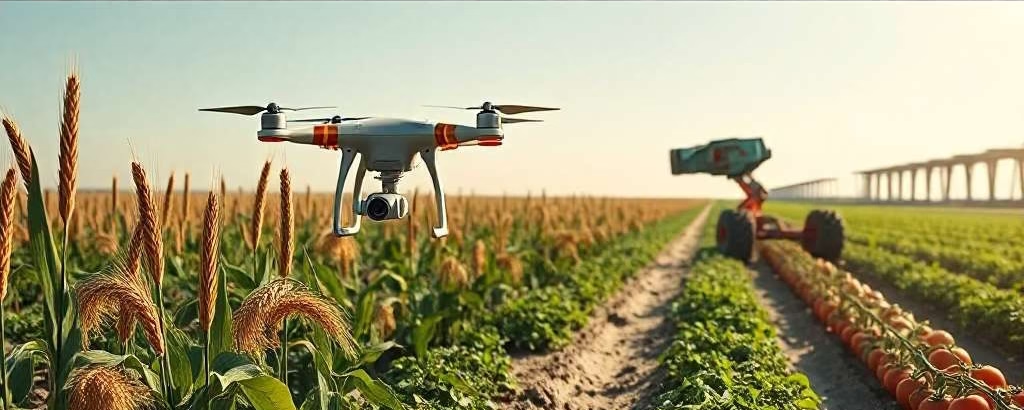
Trace Agtech is a comprehensive agricultural management software that enhances efficiency and traceability in farming operations. It utilizes advanced data collection and analysis to support farmers in improving productivity and sustainability. The platform is designed to meet the evolving demands of the agricultural sector, ensuring compliance with regulations and promoting responsible practices. By integrating new technologies, Trace Agtech transforms traditional farming methods into modern, data-driven solutions.
Understanding Trace Agtech Solutions
Trace Agtech offers a sophisticated understanding of agricultural management through innovative software solutions that enhance operational efficiency and productivity.
Key Features of the Software
This platform integrates numerous functionalities designed to support agribusiness needs, including:
- Real-time data management, facilitating timely decision-making.
- Comprehensive analytics to track farm performance and productivity.
- Built-in compliance tools that align with industry regulations.
- User-friendly mobile interface for easy access to information.
Benefits for Farmers
Farmers stand to gain significantly from the deployment of this software, which provides various advantages:
Enhancing Farm Management
Trace Agtech streamlines operations by enabling farmers to monitor their activities efficiently. The platform assists in organizing planting schedules, managing resources, and tracking crop health.
Improving Productivity
By leveraging data insights, farmers can optimize their workflows and enhance yield quality. The platform supports targeted interventions that positively impact harvest outcomes.
The Role of Data in Agtech
Data serves as the backbone of modern agricultural practices, driving innovation and growth.
Data Driven Decision Making
Farmers are equipped to make informed choices based on real-time data, resulting in timely responses to environmental changes and market demands.
Analytics for Better Outcomes
The software harnesses advanced analytics techniques to provide deep insights into farm operations. This empowers users to refine their strategies for increased efficiency and profitability.
Traceability in Agriculture
Traceability in agriculture plays a crucial role in ensuring the safety and quality of food products throughout the supply chain. It allows for better management of resources and compliance with various regulations.
Importance of Traceability
Agriculture Traceability Software is vital for several reasons. It enhances food safety and quality assurance by allowing stakeholders to track products from farm to table. This capability aids in quick response actions in case of food safety issues and supports consumer confidence in agricultural products.
Ensuring Quality Through Data
Data-driven practices in agriculture are essential for maintaining quality standards. By leveraging real-time data collection and analysis, farmers can monitor crop conditions and apply immediate interventions as needed.
Tracking and Compliance
Implementing robust tracking mechanisms enables compliance with national and international agricultural regulations. This ensures that products meet safety standards and reinforces the integrity of the supply chain.
Managing Raw Materials
Effective management of raw materials minimizes waste and optimizes resource use. By tracking each material's journey, farmers can enhance the overall quality and sustainability of their operations. This process requires a combination of technology and strategic planning.
QR Codes and Product Tracking
Utilizing QR codes for product tracking enhances transparency in the agricultural supply chain. These codes can be scanned by consumers for information about the product's origin, farming practices, and safety standards.
- Improved consumer engagement through accessible product information
- Facilitated compliance with legal requirements related to food safety
Implementing QR codes can also streamline logistics, making it easier for distributors and retailers to track inventory and ensure timely deliveries.
Sustainable Practices with Trace Agtech
Sustainable agriculture is critical for the long-term viability of farming. Trace Agtech supports this by providing solutions that foster environmental responsibility and regulatory compliance.
Environmental Impact and Solutions
Implementing sustainable practices mitigates the negative effects of agriculture on the ecosystem. Trace Agtech promotes:
- Water Conservation: Efficient water management systems help optimize usage and minimize waste.
- Soil Health: Data-driven insights lead to practices that enhance soil quality and fertility.
- Biodiversity: Encouraging diverse cropping systems to create resilient agricultural landscapes.
Compliance with EU Regulations
Staying aligned with stringent EU regulations is essential for agri-businesses. Trace Agtech aids in meeting these requirements by ensuring:
- Traceability and Transparency: Clear tracking of product origins fosters trust and complies with legal standards.
- Ethical Sourcing: Ensuring that all inputs meet sustainable criteria as set by EU policies.
Navigating Deforestation Laws
As the EU enforces strict deforestation laws, Trace Agtech provides tools to navigate these regulations effectively. This includes:
- Mapping Affected Areas: Identifying and monitoring regions at risk of deforestation.
- Documenting Land Use: Keeping thorough records that demonstrate compliance with environmental standards.
Certification Processes
Obtaining certifications can enhance market access. Trace Agtech streamlines certification processes by:
- Providing Compliance Checklists: Essential documentation and processes are more manageable.
- Offering Real-Time Data: Supporting applications for sustainability certifications with concrete evidence.
Integrating Emerging Technologies
The integration of emerging technologies plays a pivotal role in modern agriculture, enhancing efficiency and sustainability in farming practices. This section explores how innovative solutions like IoT, blockchain, and satellite imaging contribute to agricultural advancements.
IoT and Blockchain in Agtech
The Internet of Things (IoT) and blockchain technology are transforming agricultural operations. IoT devices enable real-time monitoring of farming conditions, improving the management of resources.
- IoT sensors track soil moisture, temperature, and crop health, providing farmers with actionable insights.
- Blockchain offers a secure framework for tracking the journey of agricultural products, ensuring transparency and traceability.
This combination enhances decision-making processes and builds consumer trust by providing verifiable product histories.
Leveraging Satellite Imaging
Satellite imaging technology is becoming an invaluable asset in agriculture. It allows comprehensive analysis of vast areas of land, assisting farmers in optimizing their practices.
Remote Monitoring Benefits
With satellite imaging, agriculturalists can remotely monitor crop health and growth patterns. This reduces the need for manual surveys, saving time and resources.
Enhanced Crop Surveillance
Enhanced surveillance capabilities lead to better pest and disease management. By identifying issues early, farmers can implement preventive measures effectively, improving overall yields.
Challenges and Opportunities in Agtech
The agricultural technology sector faces unique challenges and opportunities that shape its evolution. Understanding these dynamics is crucial for stakeholders aiming to harness the potential of innovative solutions.
Overcoming Barriers in Adoption
Barriers to the adoption of agricultural technology often include financial constraints, lack of technical knowledge, and cultural resistance to change. Farmers may be hesitant to invest in new systems without clear, demonstrable benefits.
- Financial Constraints: Initial investments can be daunting for small to medium-sized operations.
- Lack of Technical Knowledge: Many users require training to effectively utilize advanced tools, which may not be readily available.
- Cultural Resistance to Change: Established practices can be difficult to alter, leading to reluctance in embracing new technologies.
Future Trends and Innovations
The future of agtech promises dynamic growth and transformative innovations. Key trends include increased integration of data-driven approaches and sustainability-focused practices.
Market Growth Predictions
Analysts predict significant growth in the agtech market, fueled by rising demand for efficient agricultural practices and enhanced food security. Investments in research and development are expected to propel this sector forward.
Collaborative Farming Initiatives
Collaborative farming efforts are gaining traction. By forming alliances, farmers can share resources, knowledge, and technology, which enhances productivity and fosters innovation. Such initiatives often lead to collective bargaining power and shared risk, benefiting all participants.
Supporting Agribusiness Growth
Supporting agribusiness growth requires effective strategies and expert assistance to enhance efficiency and productivity. This section delves into critical approaches that can transform agricultural operations.
Strategies for Increased Productivity
Maximizing productivity in agribusiness involves various strategies that streamline operations and improve outcomes. Key methods include:
- Implementation of advanced software solutions that facilitate data management.
- Utilizing precision agriculture techniques to optimize resource use.
- Adopting sustainable practices that boost long-term viability.
The Value of Expert Support
Expert support is vital for agribusinesses aiming to thrive under competitive pressures. Experienced consultants can provide tailored guidance and industry insights.
Role of the Support Team
The support team plays a crucial role in ensuring that agribusinesses effectively utilize technology and stay updated with best practices. Their responsibilities include:
- Providing training and resources to enhance operational capabilities.
- Offering ongoing technical support to address challenges as they arise.
- Assisting in the integration of new systems and practices to improve productivity.
Customizing Solutions for Businesses
Customization is essential in meeting the unique needs of different agribusinesses. Tailored solutions can significantly improve efficiency and effectiveness. This process involves:
- Assessing specific requirements to deliver personalized software configurations.
- Incorporating user feedback to optimize tools and functionalities.
- Ensuring compatibility with existing systems for seamless integration.
Leave a Reply