Wind Turbine Installation Permit Germany: A Comprehensive Guide
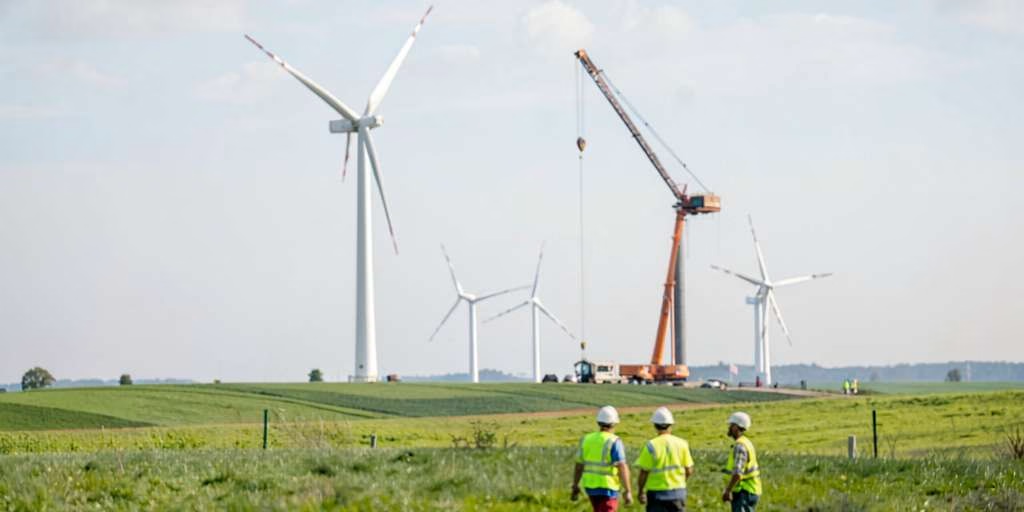
The permitting process for wind turbine installation in Germany is complex and involves several regulatory requirements. It is essential for developers to navigate federal and regional regulations to ensure compliance with local planning and environmental standards.
Obtaining the necessary permits requires thorough documentation, stakeholder consultations, and environmental impact assessments. Delays can occur due to legal challenges and disputes, making it crucial to understand the steps involved in securing permits for wind energy projects.
Overview of Wind Turbine Permitting in Germany
The permitting process for wind turbines in Germany is a multifaceted and essential part of developing renewable energy projects. It involves a comprehensive set of regulations and collaborations between various authorities.
Key Federal Regulations for Wind Energy Projects
German federal regulations play a pivotal role in standardizing the permitting process for wind energy projects. These laws define the legal framework developers must adhere to and ensure compliance with national energy goals. Core aspects include:
- Compliance with the Renewable Energy Sources Act (EEG).
- Adherence to environmental protection legislation.
- Regulations on land use and zoning requirements.
Role of German Federal and Regional Authorities
The permitting process involves collaboration between federal and regional authorities. Federal bodies establish overarching policies, while regional entities manage the implementation and local adaptation. Their responsibilities include:
- Reviewing permit applications.
- Conducting environmental assessments.
- Facilitating public consultations.
Differences Between Onshore and Offshore Permitting
Onshore and offshore wind turbine installations follow distinct permitting processes due to their differing environmental impacts and regulatory requirements. Key differences include:
- Onshore projects typically face more local stakeholder engagement.
- Offshore installations require specific maritime permissions.
- Environmental assessments may differ based on habitat considerations.
Requirements for Wind Farm Construction Permits
Acquiring the necessary permits for wind farm construction involves a comprehensive evaluation of various site-specific and regulatory factors. Several key considerations must be taken into account during the permitting process.
Site Selection and Land Use Considerations
Choosing an appropriate site for wind farm development is crucial for successful permitting. This choice impacts both the environmental footprint and community acceptance.
Zoning and Local Planning Permissions
Local zoning laws often dictate the use of land for wind energy projects. Developers are required to secure local planning permissions, ensuring compliance with regional land-use policies. Applications must demonstrate that the proposed site aligns with local community plans.
Conflicts with Agricultural and Natural Areas
Competing interests between renewable energy projects and agricultural or natural land use can hinder the permitting process. Effective site assessments are necessary to navigate these conflicts and to propose solutions that respect both local agriculture and biodiversity.
Environmental Impact Assessments
Environmental impact assessments (EIAs) are fundamental in gauging the potential effects of wind farms on the surrounding ecology. This process is essential for obtaining the necessary environmental clearances.
Flora and Fauna Protection Measures
Developers must implement measures to protect local flora and fauna during the project lifecycle. This includes identifying sensitive species and habitats that may be affected by construction and operation.
Noise and Visual Impact Evaluations
Wind projects must also evaluate their noise and visual impacts on surrounding communities. This analysis helps mitigate potential disturbances and addresses public concerns about the aesthetic implications of wind turbines.
Stakeholder Consultation Processes
Engaging with stakeholders is a critical step in the permitting process. Effective communication facilitates collaboration and addresses community concerns.
Community Engagement and Objections
Developers are encouraged to actively engage with local communities to discuss projects. Gathering feedback can help alleviate objections and foster support for wind energy initiatives.
Coordination with Grid Operators
Close coordination with grid operators is necessary to ensure that the energy generated meets grid demands. This collaboration can smooth the permitting process and allow for optimized energy distribution.
Steps in the Wind Permitting Process
The process for obtaining permits for wind projects consists of several critical steps, each with unique requirements and timelines. Careful navigation through these steps is essential to ensure successful project execution.
Application Preparation and Submission
The initial phase involves preparing a comprehensive application that includes all necessary documentation to comply with federal and regional regulations.
Documentation and Technical Studies
Developers must compile a variety of documents, including site plans, technical assessments, and environmental reports. These studies provide the necessary data to demonstrate compliance with planning and environmental guidelines.
Timeframes for Permit Evaluation
The evaluation of the submitted application varies significantly based on the complexity of the project and the specific authorities involved. Typically, this process can take several months, and developers must remain actively engaged during this period.
Handling Legal Challenges and Disputes
Legal challenges are not uncommon in the permitting process, often stemming from objections raised by local stakeholders or competing land use issues.
Procedures for Appeals and Revisions
If an application is denied or challenged, developers have the option to submit appeals. This process can involve revisions to the application or additional documentation to address concerns expressed during the initial review.
Impact on Project Timelines
Legal disputes can lead to significant delays, impacting overall project timelines. Developers need to plan for potential disruptions and remain flexible throughout this phase.
Final Approval and Permit Issuance
Once all assessments are complete and any legal issues are resolved, the final approval can be granted by the relevant authorities.
Upon approval, the permit is officially issued, allowing developers to proceed with the construction of wind turbines. Adhering to these steps ensures compliance and promotes the successful establishment of renewable energy projects.
Recent Developments and Policy Changes
Significant adjustments in policy are underway to facilitate the growth of wind energy in Germany. These changes aim to streamline permitting processes and enhance compliance with EU directives.
Implementation of EU Renewable Energy Directive 2023
The recent implementation of the EU Renewable Energy Directive has introduced new frameworks and expectations for wind energy projects in Germany.
Definition of Renewable Energy as Public Interest
By classifying renewable energy as a public interest, legal disputes over wind projects may face reduced obstacles. This designation emphasizes the importance of transitioning to sustainable energy sources.
Acceleration Targets for Permitting Timelines
New targets have been set to quicken the permitting timelines for wind energy projects. The intention is to enhance the efficiency of the approval processes and support the urgent need for renewable energy infrastructure.
Relaxation of Species Protection Rules for Wind Projects
Recent regulatory changes have led to a relaxation of species protection laws affecting wind energy projects. These modifications aim to balance environmental concerns with energy development needs.
Effects on Onshore Wind Permitting
Adjustments to species protection rules have begun to impact the permitting processes for onshore wind projects, potentially accelerating approvals while still aiming to protect biodiversity.
Regulatory Adjustments for Fast-Tracking
Changes in regulations are focused on fast-tracking the approval process for renewables. This streamlining encourages the rapid development of onshore wind projects, ensuring they can meet energy demands.
Wind Energy Project Examples in Germany
Germany has seen a significant increase in new wind energy projects, showcasing the country’s commitment to renewable energy. Below are key examples of recent onshore wind farms.
New Onshore Wind Farms Permits Overview
The recent issuance of permits for onshore wind farms is a positive sign for the German energy transition. This section highlights notable projects.
Case Study: ‘Am Heilborn’ Wind Farm
Located in Thuringia, the 'Am Heilborn' wind farm features five Vestas V172 turbines. Each turbine has a rated capacity of 7.2 MW, contributing a total of 36 MW. This project aims to supply electricity to approximately 24,600 households annually.
Capacity and Technology in Recent Projects
- The latest wind farms incorporate advanced turbine technology, enhancing efficiency and energy output.
- Developers are focusing on larger turbine models capable of generating more power, such as those from Vestas and Siemens Gamesa.
Repowering and Expansion Permits
Repowering existing wind farms has become a strategic approach in Germany. This allows for upgraded technology while maintaining energy production levels.
‘Hassendorf’ Wind Farm Repowering Details
The 'Hassendorf' project involves repowering with new turbines, significantly increasing generation capacity. This second permit allows the installation of a Vestas V150 turbine with a rated capacity of 6 MW.
Benefits of Repowering for Project Capacity
- Repowering enhances energy output and efficiency of existing sites.
- It facilitates better land use while minimizing environmental impact during upgrades.
Challenges and Opportunities in Wind Permitting
The wind permitting process in Germany presents a set of challenges, but also offers significant opportunities for improvement and efficiency.
Administrative and Resource Constraints in Authorities
Local and regional authorities often face constraints that hinder their ability to process wind turbine permits effectively.
Staffing and Funding Issues
A shortage of trained personnel and limited financial resources plague many permitting authorities. These deficiencies can lead to delays in the evaluation and granting of permits.
Impact on Permit Processing Speed
The lack of adequate staffing often results in prolonged timelines for processing applications. This slow pace can deter investment in wind energy projects and prolong the transition to renewable energy.
Conflicts Over Land Use and Regional Needs
Competing interests for land use frequently complicate the permitting landscape for wind energy projects.
Balancing Energy and Environmental Interests
Decision-makers must navigate the delicate balance between expanding renewable energy and preserving ecological areas. Conflicts can arise from land designated for agriculture or conservation.
Coordination with Grid Infrastructure Development
Effective integration of wind energy projects with existing grid infrastructure is essential. Coordination between project developers and grid operators is critical to address connection challenges and ensure energy delivery.
Prospects for Further Streamlining Permitting
There are evolving strategies to enhance the efficiency of the permitting process for wind energy.
Technological Solutions and Digital Tools
The implementation of technological tools can streamline application workflows, improving communication between stakeholders and reducing the bureaucratic burden.
Cross-Border Lessons and Best Practices
Germany can learn from other countries to refine its permitting processes. Best practices from successful wind energy initiatives elsewhere can inform policy adjustments and procedural enhancements.
Leave a Reply