Nuclear Power Safety Europe Guidelines: Insights and Best Practices
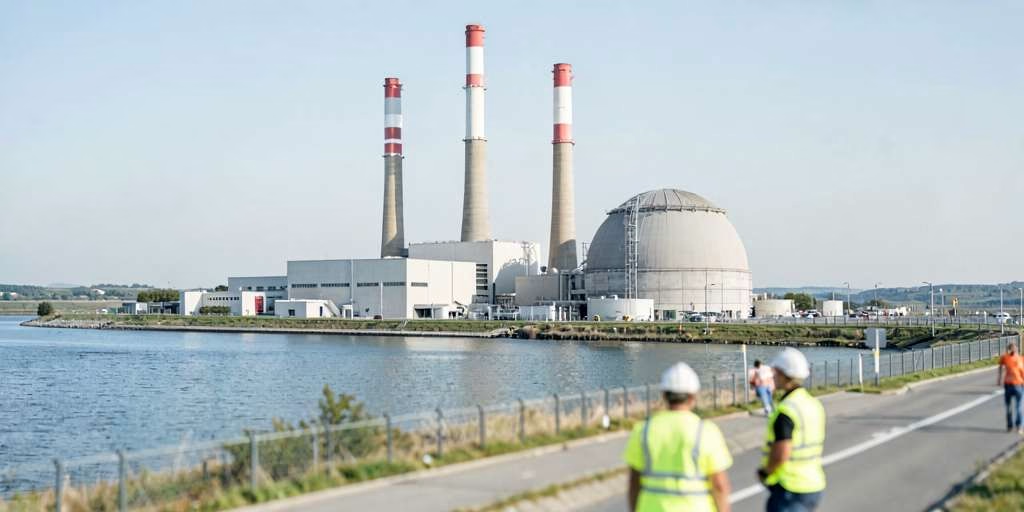
Nuclear power safety is essential for ensuring the protection of public health and the environment in Europe. A comprehensive set of guidelines and regulations is in place to address the safety of nuclear facilities across member states.
This article will explore various aspects of nuclear safety, including the legal framework, licensing procedures, and emergency preparedness. It will also discuss the role of stakeholders and the importance of international cooperation in maintaining safety standards.
- Legal Framework and Regulatory Bodies for Nuclear Safety
- Licensing Procedures and Supervision of Nuclear Facilities
- Radiation Protection and Environmental Safety
- Decommissioning Nuclear Power Plants
- Emergency Preparedness and Response
- International Cooperation and Safety Conventions
- Risk Assessment and Stress Testing of Nuclear Facilities
- Stakeholder Engagement and Transparency
- Addressing Future Challenges in Nuclear Safety
Legal Framework and Regulatory Bodies for Nuclear Safety
The landscape of nuclear power safety in Europe is anchored by stringent legal frameworks and established regulatory bodies. These structures are designed to ensure that nuclear energy is harnessed safely and responsibly across member states. In Germany, for instance, the legal basis for nuclear safety is primarily governed by the Atomic Energy Act (AtG) and the Basic Law, which collectively outline how nuclear facilities should operate, from construction through decommissioning.
These regulations are further supported by a series of ordinances and guidelines that provide detailed technical and managerial instructions. This hierarchy ensures compliance with both national standards and international obligations, as articulated in various directives such as the Euratom Nuclear Safety Directive. This directive mandates safety assessments and has been pivotal in fine-tuning the safety protocols across the European Union, particularly after significant events like the Fukushima disaster.
National Regulatory Authorities
Each EU member state is required to appoint a regulatory body responsible for overseeing nuclear safety. In Germany, the Federal Office for Radiation Protection (BfS) plays a crucial role in regulatory oversight, ensuring that nuclear facilities meet safety standards. The competencies of these bodies typically include:
- Issuing licenses for the construction and operation of nuclear facilities.
- Conducting regular inspections and assessments to maintain compliance with safety regulations.
- Implementing emergency preparedness measures and response protocols.
International Bodies
Collaborative efforts at the international level play a significant role in enhancing nuclear safety practices. Organizations such as the International Atomic Energy Agency (IAEA) provide guidelines and frameworks that member states incorporate into their national legislations. The involvement of international bodies ensures a level of standardization that facilitates the sharing of best practices across borders.
The legal and regulatory frameworks in place not only govern the operational aspects of nuclear power but also ensure that safety considerations remain paramount throughout the lifecycle of nuclear facilities. Ensuring the robustness of these regulations requires ongoing engagement between regulators, operators, and the public. Continuous dialogue and training are essential for adapting to new challenges and maintaining a safety culture within the nuclear sector.
Public involvement is also a key aspect, as regulatory authorities are encouraged to maintain transparency in their processes and decisions. Engaging with communities helps build trust and ensures that safety practices reflect the concerns and expectations of the population, especially in regions where nuclear facilities are located.
In summary, the legal framework and regulatory bodies for nuclear safety in Europe provide a comprehensive approach to ensuring the safe and responsible use of nuclear energy. Their effective implementation contributes significantly to safeguarding public health and the environment in the pursuit of sustainable energy solutions.
Licensing Procedures and Supervision of Nuclear Facilities
The licensing procedures for nuclear facilities in Germany and across Europe are complex, reflecting the critical importance of safety in nuclear energy generation. These procedures aim to ensure that all nuclear installations meet stringent safety, operational, and environmental standards before they are allowed to commence operations.
Initially, prospective operators must submit a comprehensive application that includes detailed information about the proposed facility, covering various aspects such as:
- Technical specifications and design documents.
- Safety assessments and risk evaluations.
- Operational plans and emergency protocols.
This application undergoes rigorous scrutiny by relevant regulatory bodies, including both federal and state authorities. The evaluation process assesses the applicant's capacity to adhere to safety regulations and operational guidelines. The involvement of public stakeholders in this phase promotes transparency and community engagement in nuclear facility licensing.
Upon a thorough review of the documentation and adherence to established safety protocols, a set of conditions and requirements is typically attached to the licensing approval. These conditions often include:
- Requirements for continuous safety monitoring and reporting.
- Regular training programs for operational staff.
- Implementation of upgrades and safety improvements as needed.
Supervision does not cease once a nuclear facility is licensed. Continuous oversight by regulatory authorities ensures ongoing compliance with safety standards throughout the operational lifespan of the facility. This monitoring includes regular inspections, performance assessments, and audits to verify that safety protocols are effectively upheld.
In the case of any anomalies or incidents, there are established procedures for immediate reporting and investigation. Regulatory bodies maintain close communication with facility operators to promptly address any safety concerns. Furthermore, advancements in technology often lead to updates in regulatory requirements, reflecting changes in risk assessments and safety measures.
Overall, licensing procedures and the subsequent supervision of nuclear facilities form the backbone of safety assurance in the nuclear energy sector. The commitment to maintaining high safety standards is fundamental in preserving public trust and ensuring the longevity of nuclear power as a key component of Europe's energy landscape.
Radiation Protection and Environmental Safety
Strict radiation protection measures are implemented in nuclear facilities across Europe to safeguard both workers and the surrounding communities. The objective is to minimize exposure to ionizing radiation and mitigate potential health risks associated with nuclear power operations. This is achieved through a combination of legislation, technological solutions, and safety protocols.
Regulatory bodies establish comprehensive standards for monitoring radiation levels and controlling discharges. These guidelines ensure that emissions remain well within acceptable limits while prioritizing environmental safety. Key components of radiation protection include:
- Monitoring Programs: Regular assessments are conducted to measure radiation levels in and around nuclear sites. This includes air, soil, and water sampling to ensure compliance with national and EU standards.
- Safety Protocols: Facilities implement strict operational procedures during both normal operations and emergencies to limit radiological risks. This involves clear procedures for handling radioactive materials and waste.
- Protective Equipment: Workers are equipped with personal protective gear designed to shield against radiation exposure. Training programs ensure personnel are knowledgeable about safety practices.
Environmental safety is intrinsically linked to radiation protection. The impact of nuclear power generation on ecosystems and biodiversity is regularly evaluated. Strategies to protect ecological systems include:
- Impact Assessments: Comprehensive environmental impact assessments are required prior to the construction and operation of nuclear facilities. This process identifies potential risks and outlines mitigation measures.
- Waste Management: Continuous management of radioactive waste is critical. Safe disposal methods, alongside recycling and reuse where feasible, help ensure environmental integrity.
- Public Awareness Campaigns: Information is disseminated to inform the public about radiation safety measures and environmental impacts of nuclear energy. Such transparency builds trust and fosters community engagement.
Collaboration with international organizations further strengthens radiation protection frameworks. Shared knowledge and best practices among countries enhance the effectiveness of safety protocols. Regular updates to safety guidelines reflect advances in technology and changes in environmental regulations, ensuring a robust response to emerging challenges.
Through the integration of rigorous safety measures, effective monitoring, and continuous community engagement, nuclear power facilities in Europe strive to achieve a balance between energy generation and environmental protection. The commitment to minimizing radiation risks remains a cornerstone of operational excellence in the nuclear sector.
Decommissioning Nuclear Power Plants
The process of decommissioning nuclear power plants is essential for ensuring long-term safety and environmental protection after a facility ceases operations. This complex endeavor requires careful planning and adherence to strict regulatory standards. The main objective is to eliminate any potential hazards associated with the residual nuclear materials and to restore the site for future use.
Several strategies are employed during the decommissioning phase. These include:
- Stepwise Dismantling: This involves systematically removing equipment and infrastructure in a planned sequence over a specified timeline. This method ensures that risks are minimized at each stage of the dismantling process.
- Decontamination Techniques: Effective methods are used to eliminate radioactive contaminants from surfaces. These techniques are critical for making the site safe for workers and the surrounding environment.
- Waste Management: The handling of radioactive waste generated during decommissioning is a significant aspect. It encompasses comprehensive strategies for storage, disposal, and, where feasible, recycling of materials.
The legal frameworks for decommissioning vary across Europe, yet they universally emphasize compliance with safety standards. German regulations stipulate that thorough environmental assessments must be conducted prior to decommissioning activities. This ensures that potential impacts on local ecosystems are evaluated and mitigated effectively.
Each decommissioning project must be accompanied by a detailed plan that outlines the timeline, necessary resources, and safety measures. This plan should be reviewed and approved by regulatory bodies to ensure compliance with both national and international safety norms. Only after a comprehensive review is a facility deemed ready for the extensive decommissioning process.
Moreover, the financial aspects of decommissioning are strictly regulated. Operators are required to establish financial provisions well in advance to cover the costs associated with decommissioning. This financial security ensures that sufficient resources are available when the time comes to dismantle and clean up the site.
Public engagement is also an integral component of the decommissioning process. Transparency in communicating the steps and safety measures taken to protect local communities fosters trust. Involving the public in discussions around decommissioning plans can enhance community support and acceptance.
Emergency Preparedness and Response
Emergency preparedness in the context of nuclear power operations involves the establishment of comprehensive protocols and response strategies. These measures are critical in ensuring that potential incidents are managed effectively and efficiently. The goal is to minimize harm to both the public and the environment.
Robust emergency plans are developed through collaboration among various stakeholders, including government agencies, nuclear facility operators, and local communities. These plans outline specific response procedures tailored to different potential emergency scenarios. They encompass a range of actions, from immediate containment measures to long-term recovery strategies.
Key Components of Emergency Preparedness
- Emergency Planning: Protocols must be precise and actionable, detailing not only the steps to be taken during an incident but also the roles and responsibilities of each involved party.
- Training and Drills: Regular drills and training sessions are crucial. They ensure that personnel are well-prepared and that the plans are practical. Exercises simulate various emergency scenarios to test the effectiveness of the response plans.
- Public Awareness: Informing the community about what to expect during a nuclear emergency is essential. Clear communication about emergency procedures, safety measures, and protective actions can significantly reduce panic and mitigate risks.
To enhance overall safety, continuous evaluation and improvement of emergency preparedness frameworks are mandatory. Lessons learned from past incidents and regular assessments contribute to refining these strategies, ensuring that they remain effective against emerging risks.
Response Mechanisms
Effective response mechanisms are put in place to address nuclear emergencies promptly. Coordination among local, regional, and national authorities is essential for a unified approach. These mechanisms involve:
- Accident Assessment: Rapid assessment teams are established to evaluate the situation and determine appropriate intervention measures.
- Communication Channels: Maintaining open lines of communication among stakeholders and the public during an emergency helps ensure that accurate information is disseminated.
- Resource Mobilization: Prearranged resources, including medical support and emergency supplies, can be activated immediately to support affected populations.
Through international cooperation, countries share best practices and learnings from nuclear incidents. Such collaboration enhances the preparedness and response capabilities of all involved parties, therefore fostering a culture of safety and resilience across the nuclear energy sector in Europe.
International Cooperation and Safety Conventions
The complexity of nuclear power safety necessitates robust international collaboration. Countries recognize that nuclear risks are not confined by borders, which prompts cooperative efforts to enhance safety standards globally. Various conventions and agreements facilitate this collaboration, ensuring that best practices are shared and adhered to across nations.
Key international frameworks contribute to the enhancement of nuclear safety, which includes:
- Convention on Nuclear Safety: This convention establishes safety principles for the operation of nuclear power plants, laying a foundation for member states to enhance their regulatory frameworks.
- Joint Convention on the Safety of Spent Fuel Management and on the Safety of Radioactive Waste Management: Focused on improving the safety of spent fuel and radioactive waste, this convention fosters shared responsibilities among signatory nations.
- IAEA Safety Standards: The International Atomic Energy Agency (IAEA) provides comprehensive safety standards that member states are encouraged to implement, promoting a culture of safety internationally.
International cooperation extends beyond regulations. It includes practical measures such as joint stress tests and safety assessments. These initiatives are particularly critical following significant nuclear incidents, ensuring facilities can withstand extreme scenarios and reduce potential hazards.
Additionally, knowledge-sharing forums and workshops facilitate discussions on emerging safety technologies and regulatory advancements. Engaging with experts in the field allows nations to develop tailored solutions suitable for their specific contexts while adhering to internationally recognized standards.
The role of international bodies in monitoring and facilitating cooperation serves to reinforce the commitment of member states to nuclear safety. Regular meetings, reports, and assessments lead to enhanced transparency and accountability in the nuclear sector.
Ultimately, cooperation and adherence to safety conventions provide a framework that enhances public confidence in nuclear power across Europe. By working together on nuclear safety issues, countries can share experiences and solutions, ensuring a safer and more sustainable future for all.
Risk Assessment and Stress Testing of Nuclear Facilities
A comprehensive risk assessment is vital for the effective management of nuclear safety. This process identifies potential hazards and evaluates the likelihood of adverse events. In Europe, regulatory frameworks mandate that nuclear facilities conduct thorough risk assessments regularly. These evaluations serve as a foundational element for ensuring that operators maintain high safety standards.
Stress testing is a crucial component of the risk assessment process. Specifically, it involves challenging nuclear facilities to simulate extreme conditions and emergencies. By examining their response capabilities under such stress, operators can identify vulnerabilities in their systems and processes. Stress tests ensure that current safety measures are adequate and highlight areas that may require improvement.
The process of stress testing includes a variety of scenarios, including natural disasters, system failures, and external threats. Facilities must be prepared to manage these contingencies effectively. The results of these tests inform updates to operational protocols and safety systems. Consequently, they play a crucial role in maintaining public confidence in nuclear energy.
- Evaluation of emergency preparedness and response plans
- Identification of critical infrastructure vulnerabilities
- Assessment of human factors and organizational behavior under stress
- Examination of technological resilience against cyber threats
Following incidents like Fukushima, the European Union instituted rigorous stress testing protocols. These include both structural evaluations and operational drills to enhance overall safety readiness. Member states are required to report their findings and implement the recommendations derived from these tests.
Furthermore, continuous improvement is a central tenet of the stress testing approach. Regular reviews of risk assessments and stress tests ensure that operators remain vigilant against emerging challenges. This proactive methodology allows for the adaptation of safety strategies in response to new risks and technological advancements.
Ultimately, the integration of rigorous risk assessment and stress testing practices strengthens the safety culture within Europe’s nuclear sector. By prioritizing these measures, nuclear facilities can bolster their defenses against potential threats and enhance their overall reliability.
Stakeholder Engagement and Transparency
Engagement with stakeholders is a vital component of nuclear power safety management. It serves to build trust and promote collaboration among various groups, including the public, governmental bodies, and industry professionals. Effective communication fosters transparency, which can alleviate concerns and empower communities involved in or affected by nuclear operations.
Robust stakeholder engagement processes include a variety of initiatives aimed at enhancing participation and information dissemination. Such initiatives may encompass:
- Public consultations that allow community members to share their views and provide input on nuclear safety regulations.
- Workshops and informational sessions designed to educate the public about nuclear safety measures and the technology used in facilities.
- Regular updates and reports on safety performance and compliance, ensuring that stakeholders are informed of any changes or developments.
Engaging citizens in the decision-making process can lead to greater public acceptance of nuclear energy initiatives. Transparency in how safety assessments are conducted strengthens accountability and reinforces public confidence in the regulatory frameworks in place. When stakeholders are well-informed, they are more likely to understand the complexities of nuclear safety and its implications for local communities.
The role of regulatory bodies also emphasizes the importance of active dialogue with stakeholders. They are responsible for facilitating communication between operators and the public, ensuring that stakeholders have access to relevant information about safety practices. This interaction creates opportunities for feedback, which can inform subsequent regulatory actions and adaptations to safety protocols.
Furthermore, integrating stakeholder feedback into safety practices can enhance the effectiveness of emergency preparedness initiatives. When communities understand the procedures and potential risks associated with nuclear facilities, they are better equipped to respond in crisis situations. Regularly scheduled drills and public awareness campaigns are essential components of this approach.
Finally, international cooperation can promote wider stakeholder engagement by sharing best practices across borders. Various European initiatives encourage collaborative approaches to transparency, allowing member states to learn from each other’s experiences in stakeholder engagement. By fostering a culture of openness, the nuclear sector can enhance its safety record while addressing public concerns more effectively.
Addressing Future Challenges in Nuclear Safety
As the landscape of energy production continues to evolve, nuclear safety in Europe faces a series of significant challenges. Among these, the ageing infrastructure of many nuclear facilities poses a critical concern. It is essential to ensure that older reactors are upgraded with modern safety technologies and management practices.
Technological advancements present both challenges and opportunities. The integration of digital monitoring systems can improve safety and facilitate real-time data analysis. However, adapting existing structures to accommodate these innovations requires careful planning and investment.
- Enhancing operational safety through automation and smart technology.
- Implementing advanced cybersecurity measures to protect critical infrastructure from potential threats.
Climate change goals also necessitate a renewed focus on the role of nuclear energy. Aligning nuclear power generation with European Union objectives for carbon neutrality is crucial for meeting environmental standards. This requires not only efficient operation but also an emphasis on sustainability practices within nuclear facilities.
- Evaluating the carbon footprint of nuclear operations.
- Developing strategies to incorporate renewable energy practices into nuclear energy generation.
Stress testing and risk assessments have become essential methodologies in identifying vulnerabilities within nuclear plants. Following incidents in other parts of the world, these evaluations help in enhancing overall preparedness for natural disasters or human-induced incidents.
Furthermore, stakeholder engagement will be pivotal in shaping the future of nuclear safety. Encouraging dialogue among government bodies, regulators, and the public can foster trust and collective action. Engaging local communities in safety discourse is vital for transparency and assurance of protective measures.
- Organizing regular public forums to discuss nuclear safety updates.
- Promoting educational initiatives about nuclear energy and safety protocols.
Finally, the commitment to continuous learning and improvement within the nuclear sector cannot be overstated. Regular reviews of safety protocols and practices are indispensable. Embracing a culture of learning will help adapt to new risks as they emerge, ensuring that nuclear energy remains a viable and safe energy source for the future.
Leave a Reply