Tidal Energy Technology Future Europe: Innovations and Opportunities
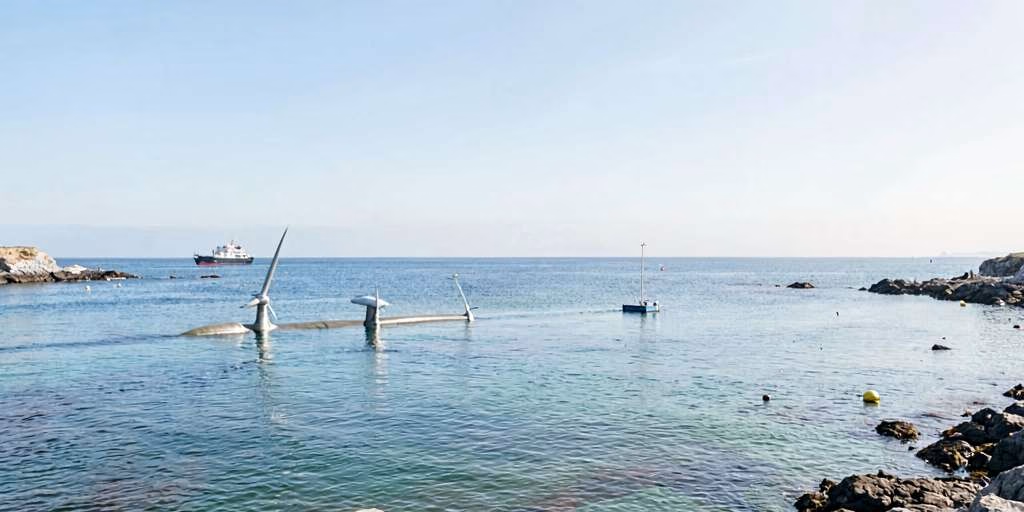
Tidal energy technology is gaining attention in Europe as a viable renewable energy source. Its predictability and sustainability make it an important part of the continent's energy transition.
This article explores the future of tidal energy in Europe. It examines current trends, technological advancements, and the potential role of tidal power in reducing reliance on fossil fuels.
- The Growing Demand for Renewable Energy Sources in Europe
- Fundamentals of Tidal Energy Technology
- Research and Development in Tidal Energy Technology
- Tidal Energy Market and Policy Framework in Europe
- Economic Factors Influencing the Development of Tidal Power
- Environmental and Sustainability Challenges
- Technical Challenges and Solutions in Tidal Energy Generation
- Future Perspectives and Opportunities for Marine Energy
- Public Awareness and Stakeholder Engagement
The Growing Demand for Renewable Energy Sources in Europe
The increasing need for renewable energy in Europe is driven by both environmental concerns and the desire for energy security. This section delves into the trends shaping energy consumption and how tidal energy fits into the broader context of renewable sources.
Trends in Global and European Energy Consumption
Over the past few decades, global energy consumption has undergone significant changes. As economies grow and populations expand, the demand for electricity is surging. Particularly in Europe, energy consumption patterns are shifting away from fossil fuels to more sustainable options. Key trends include:
- Growing investments in renewable energy technologies, with an emphasis on reducing greenhouse gas emissions.
- Increased efficiency in energy production and usage, contributing to a decline in overall carbon footprints.
- The European Union's commitment to climate neutrality by 2050, which necessitates a drastic reduction in reliance on non-renewable energy sources.
- A rising public awareness of sustainability issues, driving consumer preferences towards greener energy choices.
The Role of Tidal Energy in Future Energy Mix
Tidal energy stands out as a promising candidate within the renewable energy mix for Europe. With its predictable patterns and reliability, it offers an alternative to more variable sources like wind and solar power. Some of the pivotal aspects of tidal energy's role include:
- Providing a steady and reliable source of energy due to the consistent gravitational forces exerted by the Earth, Moon, and Sun.
- Supporting grid stability, which complements the intermittent nature of other renewable sources.
- Contributing to energy independence by diversifying the energy portfolio of European countries.
Comparing Tidal Energy with Wind and Solar Power
While wind and solar energy have gained considerable traction, tidal energy presents unique advantages that warrant a comprehensive comparison:
- Predictability: Tidal energy cycles are more predictable than wind speeds or solar irradiance, ensuring reliable energy production.
- Space Efficiency: Tidal power installations can be more compact in comparison to large solar farms or wind farms, minimizing land use concerns.
- Environmental Impact: With proper planning and technology, tidal energy can mitigate many environmental issues associated with traditional energy sources, like habitat disruption from fossil fuel extraction.
In summary, the growing demand for sustainable energy in Europe is reshaping the energy landscape, prompting nations to explore various renewable sources, including tidal energy. This trend not only addresses environmental challenges but also paves the way for a more secure and sustainable energy future.
Fundamentals of Tidal Energy Technology
Tidal energy technology harnesses the power of ocean tides and currents to generate renewable electricity. Understanding the principles and systems behind this energy source is essential for advancing its implementation across Europe.
Tidal Currents and Marine Energy Principles
The generation of tidal energy fundamentally relies on the gravitational forces exerted by the moon and the sun. These forces create predictable tidal movements, resulting in currents that can be harnessed for energy production. The inherent predictability of tidal cycles provides a crucial advantage over other renewable resources, such as wind or solar energy, which may be less reliable. Tidal currents can flow at varying speeds and directions, creating opportunities for energy conversion.
Types of Tidal Energy Conversion Systems
Various systems are employed to convert tidal energy into electricity. Each type has its specific applications and operational principles.
Tidal Stream Energy Devices
These devices capture the kinetic energy from moving water. Tidal stream turbines, similar to underwater wind turbines, are commonly utilized. They generally consist of rotor blades that turn with the water flow, which then drives generators to produce electricity. Efforts are ongoing to improve the efficiency and durability of these devices to withstand harsh marine environments.
Tidal Power Plants and Barrages
Tidal power plants typically utilize the differences in water levels between high and low tides. Barrages are built across estuaries and coastal areas to control water flow. Water flows through turbines as it moves in and out, generating electricity. While these structures can produce significant amounts of energy, they may also disrupt local ecosystems, making careful planning and impact assessments necessary.
Wave and Tidal Hybrid Technologies
Combining wave and tidal energy technologies presents an opportunity to enhance energy generation capabilities. These hybrid systems leverage the strengths of both wave action and tidal movement to provide a more consistent supply of energy. This can effectively reduce the fluctuations associated with individual systems and enhance overall reliability.
Offshore and Coastal Installation Considerations
When planning tidal energy installations, various logistical and environmental factors must be addressed. Site selection involves assessing tidal patterns, water depth, and environmental impacts. Offshore installations may face challenges related to accessibility, maintenance, and the harshness of marine conditions. Coastal projects, while typically easier to access, must still consider the effects on local fauna and flora.
Installation techniques vary depending on the technology employed and the specific site characteristics. Detailed environmental impact assessments are crucial to ensure that installations do not harm local ecosystems. Collaboration with environmental agencies and local communities can foster better practices in the development of tidal energy projects.
Research and Development in Tidal Energy Technology
The advancement of tidal energy technology is crucial for harnessing its potential as a renewable energy source. Ongoing research and development efforts are focused on improving efficiency, minimizing environmental impact, and maximizing commercial viability.
Recent Advances in Tidal Energy Devices
Innovations in tidal energy devices are making it feasible to capture energy more effectively. Recent technological advancements have included:
- Enhancements in turbine design, which have increased energy production.
- Improved materials that enhance durability and reduce maintenance needs.
- Integration of smart grid technology that optimizes energy dispatch and consumption.
Such developments are paving the way for more economically viable solutions in tidal power generation.
Innovation in Environmental Monitoring
Understanding and mitigating the environmental impact of tidal energy projects is essential. Innovations in monitoring techniques are being deployed to address ecological concerns.
Marine Renewable Energy and Ecosystem Impact
Investigations into the effects of tidal energy installations on marine ecosystems are ongoing. Research initiatives are aimed at assessing how these projects interact with marine life, including migratory patterns and local biodiversity. This knowledge is vital for making informed decisions on site selection and technology deployment.
Data Collection Tools for Environmental Protection
Advanced data collection tools are increasingly being utilized to monitor environmental impacts. Technologies such as:
- Remote sensing devices that track changes in water quality.
- Underwater drones equipped with cameras for real-time monitoring of marine habitats.
- IoT-based systems for continuous data gathering on environmental conditions.
These innovations play a critical role in ensuring that tidal energy projects remain environmentally responsible.
Collaboration Between Academic and Industrial Sectors
Bridging the gap between academic research and industrial application is essential for the growth of tidal energy technology. Partnerships between universities and engineering firms are fostering innovation through shared expertise and resources. Collaborative projects are focusing on:
- Joint development of more efficient tidal turbines.
- Research into sustainable practices that can be integrated into tidal projects.
- Shared funding initiatives to promote large-scale tidal energy demonstrations.
Such collaborations are not only advancing technology but also creating a knowledge-sharing culture that enhances the efficacy of tidal energy efforts across Europe.
Tidal Energy Market and Policy Framework in Europe
The market for tidal energy in Europe is evolving rapidly, influenced by supportive policies and advancements in technology. A strong regulatory framework is essential for fostering investment and guiding the transition to renewable energy sources. This section explores the various aspects of the tidal energy market alongside the existing policy landscape.
European Union Support and Regulatory Framework
The European Union plays a pivotal role in promoting renewable energy, with specific initiatives aimed at enhancing tidal energy development. The EU's renewable energy directives aim to ensure member states set ambitious targets for clean energy generation. Key components of the regulatory framework include:
- Financial support through various funding programs aimed at accelerating the deployment of tidal energy technologies.
- Implementation of the European Green Deal, which outlines strategies for reducing greenhouse gas emissions and advancing sustainability across Europe.
- Regular updates to environmental regulations to ensure that tidal energy projects align with ecological standards and marine conservation efforts.
The Role of Contracts for Difference (CfD) in Project Financing
Contracts for Difference (CfD) have emerged as a crucial financial mechanism for tidal energy projects in Europe. These contracts allow project developers to secure stable revenue by setting a fixed price for the energy produced, minimizing financial risk. The benefits of CfD include:
- Encouraging investment by providing long-term price stability for developers.
- Helping to lower financing costs, making projects more economically viable.
- Attracting a diverse range of investors, from public institutions to private equity firms.
Project Development Trends and Capacity Targets
The tidal energy sector is experiencing significant growth, with various projects moving from concept to execution. Current activities highlight a trend toward larger capacity installations and collaborative efforts across borders. Notable focus areas include:
Current Installed Capacity and Future Projections
As of 2026, Europe has made notable strides in tidal energy capacity, with several operational projects contributing to the grid. Projections indicate an increasing installed capacity, bolstered by enhanced technology and policy support. Experts anticipate the capacity to grow substantially, aiming to reach:
- More than 130 MW by 2029, with several new projects expected to be operational.
- Long-term targets of over 330 GW by 2050, as outlined in strategic plans.
Key Tidal Energy Projects Across Europe
Several innovative tidal energy projects are currently underway across Europe, each showcasing the potential of this renewable source. Some key initiatives include:
- The Sihwa Lake Tidal Power Station in South Korea, demonstrating the capabilities of tidal barrage technology.
- The MeyGen project in Scotland, focusing on tidal stream energy generation with ambitious plans for expansion.
- The Normandy Tidal Power Plant in France, which aims to contribute significantly to the local energy mix.
Economic Factors Influencing the Development of Tidal Power
The economic landscape for tidal power development is shaped by various factors, including installation costs, maintenance expenses, and available investment opportunities. This section explores these elements to provide insight into the viability and potential growth of tidal energy in Europe.
Installation and Maintenance Costs of Tidal Energy Systems
Installation costs for tidal energy systems are often a significant barrier to entry in the renewable energy market. The expenses encompass various elements, from initial site assessments to the actual construction of tidal energy devices. Key costs can include:
- Site preparation and environmental impact assessments
- Purchase and installation of tidal turbines or barrages
- Grid connection and infrastructure enhancements
Maintenance costs are also a critical consideration, as tidal systems require regular monitoring and upkeep to ensure reliability and efficiency. Corrosive marine conditions can lead to increased wear and tear on equipment, necessitating frequent inspections and potential repairs. Over time, these costs can influence the overall financial feasibility of tidal energy projects.
Cost Reduction Strategies and Market Incentives
To promote tidal energy, various strategies are being implemented to reduce costs significantly. Technological advancements in turbine design and construction methods aim to lower both installation and operational expenses. Some key strategies include:
- Utilizing modular designs that simplify the construction process
- Implementing advanced materials that extend equipment lifespan
- Incorporating automation and smart technologies for efficient maintenance
Market incentives play a vital role in supporting these strategies. Government-backed initiatives and financial mechanisms, such as Contracts for Difference (CfD), help mitigate financial risks associated with tidal energy projects. These incentives are essential for attracting private investments and ensuring the development of a robust tidal energy sector.
Investment Opportunities and Risk Management
As the tidal energy sector matures, various investment opportunities are emerging for stakeholders. Opportunities range from direct investments in tidal energy projects to shares in companies specializing in marine energy technologies. These investments not only promise potential financial returns but also contribute to cleaner energy production.
- Public-private partnerships can leverage shared resources to develop tidal energy infrastructure.
- International collaboration on technology development can expand market reach and enhance innovation.
- Venture capital is increasingly being directed towards marine energy startups focused on tidal solutions.
However, effective risk management strategies are crucial to navigate the uncertainties associated with tidal energy investments. Implementing comprehensive feasibility studies, engaging in shared-risk partnerships, and maintaining flexible operational strategies can mitigate potential pitfalls. Such measures encourage a stable investment climate while fostering the growth of tidal energy technology across Europe.
Environmental and Sustainability Challenges
The implementation of tidal energy technology presents several environmental and sustainability challenges that must be carefully considered. As tidal power projects are developed, their potential impacts on marine ecosystems and the surrounding environment need to be thoroughly assessed.
Assessing the Environmental Impact of Tidal Power Plants
Evaluating the environmental implications of tidal power plants involves understanding their influence on local ecosystems. Key factors include:
- Changes in water flow and sediment transport, which can affect marine habitats.
- Potential disruption to fish migration and other aquatic wildlife.
- Impact on water quality and marine biodiversity.
Comprehensive studies and monitoring programs are essential to gauge these effects accurately. Environmental assessments typically involve close collaboration with marine biologists and ecologists to ensure holistic evaluations.
Mitigation Measures and Sustainable Energy Practices
To minimize adverse effects, effective mitigation strategies must be integrated into tidal energy development. Various practices can enhance sustainability:
- Conducting thorough environmental impact assessments before project initiation.
- Implementing adaptive management strategies that respond to changing environmental conditions.
Balancing Economic Development and Habitat Conservation
It is crucial to strike a balance between economic growth and the preservation of marine habitats. Successful projects should prioritize wildlife protection while enabling energy generation. Effective planning can help mitigate conflicts between development and conservation goals.
Long-term Monitoring and Impact Assessment
Establishing long-term monitoring systems allows ongoing evaluation of tidal energy systems' ecological impacts. Regular assessments can provide valuable data for improving operational practices while safeguarding local ecosystems. Techniques may include:
- Using remote sensing technologies to observe changes in aquatic environments.
- Deploying data loggers to track wildlife movements and population dynamics.
Contribution to Reducing Greenhouse Gas Emissions
Transitioning to tidal energy can significantly reduce greenhouse gas emissions compared to fossil fuel-based energy generation. Tidal power is a predictable and reliable source of energy, with less variability than solar or wind power. The benefits include:
- Decreased reliance on coal, oil, and natural gas.
- Support for national and international climate commitments.
- Promotion of cleaner energy alternatives to mitigate climate change impacts.
As Europe continues to enhance its renewable energy portfolio, tidal power remains a critical element in the transition towards a sustainable energy future.
Technical Challenges and Solutions in Tidal Energy Generation
The pathway to increasing tidal energy deployment is fraught with engineering and logistical complexities. Addressing these challenges requires innovative solutions grounded in robust research and technological advancements.
Engineering Constraints of Marine Renewable Energy Systems
The engineering of marine renewable energy systems presents unique challenges. The harsh marine environment can significantly affect the longevity and reliability of tidal energy devices. Key constraints include:
- Corrosion due to saltwater exposure, which can lead to mechanical failures.
- Strong currents and wave action that can compromise structural integrity.
- Motivating the need for materials that are both durable and cost-effective.
Research on advanced materials, such as composites designed specifically for marine applications, is underway. This innovation aims to enhance the durability of tidal energy installations while reducing overall costs. New engineering designs are also being tested to better handle the forces of nature, ensuring that these systems can operate efficiently over long periods.
Overcoming Barriers in Energy Conversion Efficiency
Optimizing energy conversion efficiency in tidal energy generation remains challenging. Current technologies must find ways to maximize the energy extracted from tidal currents. Notable barriers include:
- Suboptimal turbine designs that may not efficiently capture kinetic energy.
- Limitations in the scalability of energy conversion systems.
- Challenges associated with maintaining operational efficiency within varying tidal conditions.
To address these issues, ongoing research focuses on developing more sophisticated turbine designs and control systems. Computational fluid dynamics is being utilized to simulate and improve the performance of tidal turbines. Approaches such as adaptive turbine blades that can adjust to changing conditions are being explored. Enhanced energy management systems are also critical for optimizing output and ensuring the reliability of tidal systems.
Integration of Tidal Power Plants into the Electric Grid
Integrating tidal power plants into existing electric grids poses its own set of complications. The variability of tidal energy generation requires systems that can balance supply and demand effectively. Challenges include:
- Grid compatibility issues with existing infrastructure.
- Infrastructural investments necessary to accommodate tidal energy sources.
- The need for efficient energy storage solutions to manage supply fluctuations.
Collaboration between energy producers and grid operators is essential for addressing these challenges. Investments in smart grid technology can support the integration of tidal energy, allowing for better management of renewable resources. Continued development of energy storage solutions, such as battery systems and pumped hydro storage, will also play a vital role in ensuring the stability and reliability of tidal energy as a significant contributor to the power grid.
Future Perspectives and Opportunities for Marine Energy
The future of marine energy holds significant promise as technological advancements and strategic collaborations pave the way for enhanced deployment and integration. The evolution of tidal energy systems will play a crucial role in shaping Europe's energy landscape.
Scaling Up Tidal Energy Capacity by 2030 and Beyond
As Europe progresses towards ambitious climate goals, scaling tidal energy capacity is essential. The projected increase in installed capacity is set to revolutionize the energy supply chain, contributing to a diversified energy mix. Key factors influencing this growth include:
- Increased investment from both public and private sectors.
- Technological innovations that lower costs and improve efficiency.
- Enhanced regulatory frameworks facilitating project approvals.
- Growing public acceptance and awareness surrounding renewable energy.
By 2030, it is anticipated that the contribution of tidal energy will complement other renewable sources, achieving a significant percentage of the overall energy grid. Progress in this area will strongly depend on coordinated efforts across nations to share knowledge and resources.
Synergies Between Offshore Wind and Marine Renewable Sources
Combining tidal energy with offshore wind technologies presents numerous opportunities for synergy. These two energy sources can operate complementarily, maximizing output while minimizing costs and environmental impacts. The advantages include:
- Optimized use of marine space, allowing for co-location of wind and tidal energy projects.
- Increased reliability of energy supply through combined generation capabilities.
- Shared infrastructure and maintenance operations reduce overall project costs.
- Enhanced grid stability due to diversified generation sources.
Collaboration among energy sectors can drive innovations in hybrid systems, leading to more sustainable energy solutions. This integration of multiple renewable sources is critical for achieving energy security and independence across Europe.
Enhancing Predictability and Reliability of Tidal Stream Energy
Improving predictability and reliability is paramount for the success of tidal stream energy. Advanced forecasting methods, supported by real-time data collection and analysis, will play a crucial role. The focus should be on:
- Utilizing sophisticated modeling techniques to predict tidal patterns with greater accuracy.
- Implementing advanced monitoring systems to ensure the continual assessment of energy generation variables.
- Leveraging data analytics to optimize energy output and integrate it effectively into the grid.
- Enhancing the resilience of tidal systems against environmental changes.
These enhancements will not only support operational efficiency but will also contribute to building public confidence in tidal energy solutions. Reliably predictable tidal energy systems present a strong case for investment and infrastructure development in the coming years.
Raising awareness and engaging stakeholders are crucial steps in the successful implementation of tidal energy projects. Effective communication strategies can foster public support and facilitate collaboration among various groups.
Public Awareness and Stakeholder Engagement
Promoting Sustainable Energy Awareness in Europe
Enhancing awareness about sustainable energy sources, particularly tidal energy, is essential for garnering public interest and support. Various initiatives aim to educate the public on the benefits of renewable energy and its importance in combating climate change. Workshops, seminars, and public information campaigns play a crucial role in this regard.
Specific strategies to promote awareness include:
- Utilizing media platforms to share success stories and informative content about tidal energy.
- Engaging educational institutions to incorporate renewable energy topics into their curricula.
- Organizing exhibitions and open days at tidal energy facilities, allowing the public to experience the technology firsthand.
Involving Local Communities in Tidal Energy Projects
Local communities play a significant role in the development of tidal energy projects. Their involvement ensures that projects are more closely aligned with community needs and expectations. Engaging with local stakeholders can lead to valuable insights and foster a sense of ownership in the project’s success.
Effective methods for community involvement include:
- Conducting informational meetings to discuss project plans and gather feedback.
- Establishing advisory panels composed of local residents to maintain an open line of communication.
- Offering opportunities for community members to participate in project development and monitoring efforts.
Addressing Concerns on Environmental and Social Impacts
It is imperative to address potential environmental and social impacts associated with tidal energy projects. Stakeholders often express concerns regarding the effects on local ecosystems and communities. Transparency and proactive communication are key elements in mitigating these concerns.
- Implementing environmental assessments to understand the potential impacts on marine life and habitats.
- Engaging environmental experts to provide independent evaluations and recommendations.
- Creating platforms for ongoing dialogue, where community members can voice their concerns and suggestions.
By actively addressing these issues, developers can build trust and confidence among stakeholders, facilitating smoother project execution. Overall, the collaborative efforts of stakeholders, local communities, and environmental advocates are essential for the holistic development of tidal energy solutions in Europe.
Leave a Reply