Hydroelectric Power Dams Europe Environmental Impact and Future Solutions
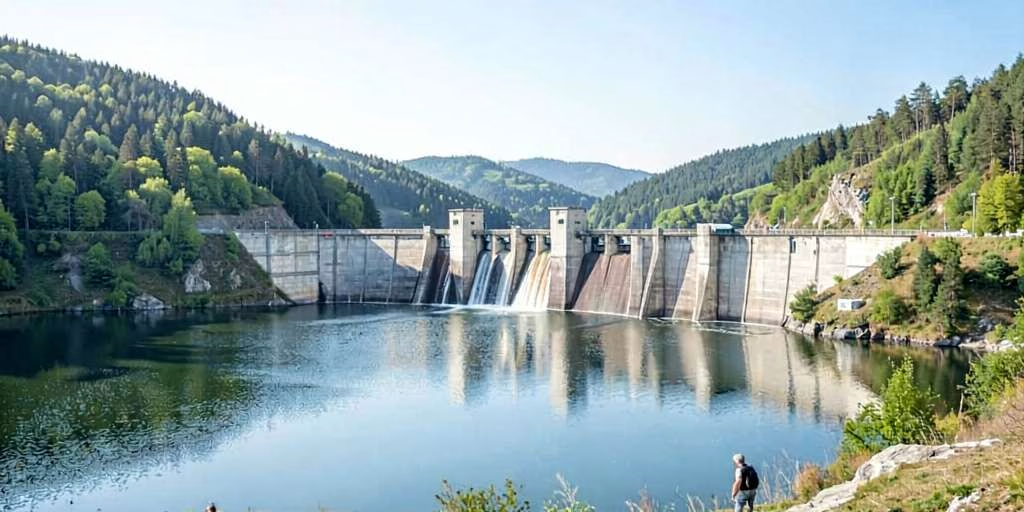
Hydroelectric power dams play a crucial role in Europe’s renewable energy landscape. They contribute significantly to the electricity generation mix, providing stable and reliable energy alongside other renewables like solar and wind.
However, these dams also have environmental implications that must be carefully managed. Issues such as impacts on ecosystems, sediment transport, and water management highlight the need for a balanced approach to hydropower development.
- Hydropower’s Role in Europe’s Renewable Energy Landscape
- Environmental Impact of Hydroelectric Power Plants
- European Regulatory Framework and Policy Support
- Modernization and Innovation in Existing Hydropower Plants
- Challenges Facing Hydropower Development in Europe
- Research, Data, and Innovation Centres in Hydropower
- Enhancing Grid Flexibility and Stability with Hydropower
- Small Hydropower Plants and Their Environmental Considerations
Hydropower’s Role in Europe’s Renewable Energy Landscape
As Europe transitions to a more sustainable energy future, hydropower plays a crucial role in balancing energy demands with renewable production. Understanding its current state and contributions highlights its significance in the continent's energy strategy.
Current Share of Hydropower in the European Energy Mix
Hydropower technology has been a cornerstone of Europe’s energy generation, contributing significantly to reducing reliance on fossil fuels. In the latest statistics, hydropower accounts for approximately 15% of the total electricity generation across the continent. This figure fluctuates depending on climatic conditions, with wet years seeing higher production levels. Countries like Norway, Switzerland, and Austria lead in hydropower contribution, showcasing a well-established integration of hydro systems into their energy portfolios.
Hydropower’s Contribution to Low-Carbon Electricity Generation
A key benefit of hydropower is its ability to provide low-carbon electricity. In comparison to fossil fuel generation, hydropower emits negligible amounts of greenhouse gases, making it instrumental in efforts to meet climate targets. The ability of hydropower to generate electricity consistently without the emissions associated with conventional methods reinforces its position as a viable option in the pursuit of decarbonisation.
Integration with Other Renewable Energy Sources: Solar and Wind
The synergy between hydropower and other renewable energy sources enhances grid stability. Particularly during periods of low solar or wind output, hydropower can swiftly ramp up production to accommodate demand. The integration of these energy sources contributes to a more resilient and flexible energy system, allowing for better management of variable renewable energy (VRE) inputs. This integrated approach ensures a reliable power supply, especially as Europe increases its share of renewables in the overall energy mix.
Advantages over Other Renewable Energy Systems
Hydropower stands out among renewable energy systems due to its unique characteristics that facilitate effective energy management and reliability.
Flexible Generation and Response Time
The ability of hydropower systems to adapt quickly to fluctuations in electricity demand is unparalleled. Unlike wind or solar, which are subject to weather conditions, hydropower plants can adjust their output in real-time to stabilize the grid. This flexibility is vital in managing peak loads and integrating fluctuating renewable outputs.
Balancing Challenges in Electricity Markets
As Europe navigates an increasingly complex electricity market, hydropower assists in balancing supply and demand. The hydropower sector acts as a buffer, ensuring that energy availability aligns with consumption patterns. This role is becoming increasingly important in light of rising electricity demands and the intermittent nature of wind and solar generation. By providing dispatchable electricity, hydropower enhances the overall effectiveness of Europe’s energy strategy.
Environmental Impact of Hydroelectric Power Plants
The environmental implications of hydroelectric power plants are multifaceted, with both positive and negative aspects. Examining these impacts is essential for understanding their role in promoting renewable energy while safeguarding ecosystems.
Carbon Footprint and Emission Reductions
Hydroelectric power generation is celebrated for its minimal carbon footprint when compared to fossil fuel sources. By harnessing the energy of flowing water, the need for coal, oil, or natural gas diminishes, leading to significant reductions in greenhouse gas emissions. The lifecycle emissions associated with hydropower, including the construction of dams and their operational maintenance, are considerably lower compared to conventional energy generation methods.
Effects on Freshwater Ecosystems and Biodiversity
The ecological ramifications of hydropower installations can be profound. Modifications to river flow and the inundation of land can disrupt aquatic habitats. Migratory fish populations, for example, may find their routes blocked by dams, leading to population declines. Additionally, changes in water quality and temperature can adversely affect local flora and fauna. Preservation of biodiversity often necessitates integrated management strategies.
Changes in Sediment Transport and River Morphology
Hydropower facilities can alter sediment dynamics in river systems. Dams trap sediment, which can impact downstream habitats by reducing the amount available for natural bank replenishment. This reduction leads to altered river morphology, changing the physical characteristics of riverbeds and potentially harming species dependent on specific sediment conditions.
Water Management Benefits and Flood Control
Hydropower plants can significantly aid in water management. By regulating river flows, these installations play a crucial role in flood control, potentially protecting surrounding communities. Managing water resources efficiently can ensure a steady supply for agriculture and residential use, thus contributing to overall water security.
Socio-economic Impacts and Recreational Opportunities
The socio-economic dimensions of hydroelectric power are of considerable importance. Local communities can benefit from the development of recreational facilities around reservoirs, such as boating and fishing spots. These opportunities can stimulate local economies through tourism and increase employment in related sectors. Furthermore, access to reliable energy from hydropower can enhance the quality of life in surrounding areas.
Measures to Mitigate Environmental Risks
To address the environmental challenges posed by hydropower, several measures can be implemented. Effective fish ladders or bypass systems can facilitate the migration of aquatic life around dams. Additionally, strategic planning in the construction and operation of these facilities can minimize habitat disruption. Continuous monitoring of ecological impacts is essential to adapt and refine management practices, ensuring the balance between energy generation and environmental preservation.
European Regulatory Framework and Policy Support
In order to ensure the sustainable development of hydropower in Europe, a comprehensive regulatory framework and policy support mechanisms are crucial. This section outlines key directives and initiatives that govern hydropower projects, promoting environmental integrity while facilitating energy production.
The Water Framework Directive and Environmental Assessment
The Water Framework Directive (WFD) stands as a foundational element of the EU's water policy, aiming to protect and enhance the quality of Europe's waters. Implemented in 2000, it mandates that hydropower projects undergo detailed environmental assessments to evaluate potential impacts on water bodies.
- Comprehensive Assessments: Hydropower projects must assess ecological health, water quality, and hydrological alterations.
- Public Participation: The WFD promotes transparency and encourages public involvement in the assessment processes.
- Monitoring and Reporting: Continuous monitoring of water bodies is required to ensure the objectives of the directive are met.
This thorough assessment process ultimately fosters a balance between energy production and ecological preservation.
Role of the European Commission in Hydropower Governance
The European Commission plays a pivotal role in governing hydropower projects across member states. By providing guidelines and oversight, it ensures compliance with European environmental standards.
- Monitoring Implementation: The Commission evaluates member states' adherence to the WFD and other relevant directives.
- Guidance Documents: It publishes resources to assist developers in understanding regulatory requirements for sustainable hydropower projects.
- Enforcement Actions: Non-compliance may lead to legal actions against member states that fail to implement EU directives effectively.
Through these mechanisms, the Commission strives to harmonize environmental governance for hydropower projects across Europe.
REPowerEU Initiative and Renewables Acceleration Areas
The REPowerEU initiative represents a strategic response to enhance the EU’s energy resilience, emphasizing renewable energy sources. Under this framework, specific areas are designated as Renewables Acceleration Areas to stimulate hydropower developments.
- Identifying Prime Locations: Areas with optimal conditions for hydropower are prioritized for development.
- Streamlined Processes: Projects within these regions benefit from expedited permitting procedures to reduce administrative delays.
- Promoting Innovation: The initiative supports innovative technologies that increase efficiency and minimize ecological impacts.
This proactive approach is designed to boost hydropower’s contribution to a secure and sustainable energy system.
Funding Programmes for Sustainable Hydropower Projects
To facilitate the growth of sustainable hydropower, the EU supports various funding programmes through financial instruments like the European Regional Development Fund (ERDF). These programmes aim to promote investment in eco-friendly technologies and practices.
- Grants and Loans: Financial aid is provided to help offset initial development costs for sustainable projects.
- Research Funding: Programmes encourage research in innovative hydropower solutions and environmental management.
- Public-Private Partnerships: These funding initiatives often involve collaboration between governmental bodies and private investors.
Such financial support significantly aids in overcoming the financial hurdles associated with hydropower implementation.
Policy Instruments to Support Energy Storage and Grid Stability
Recognizing hydropower's critical role in ensuring grid stability, the EU has introduced various policy instruments that support energy storage solutions.
- Flexibility Services: Policies promote the development of flexibility services, allowing hydropower to respond to fluctuations in electricity demand.
- Compensation Mechanisms: Financial frameworks are being established to compensate hydropower producers for the grid stability services they provide.
- Interconnected Networks: Efforts are ongoing to enhance cross-border cooperation for better integration of hydropower and other renewable energy sources.
These measures are key to ensuring that hydropower remains a reliable and integral contributor to Europe’s energy landscape.
Modernization and Innovation in Existing Hydropower Plants
Modernization and innovation in existing hydropower plants are crucial for enhancing efficiency, reducing environmental impacts, and optimizing energy production. As Europe transitions to a more sustainable energy future, integrating advanced technologies in hydropower systems becomes imperative.
Technologies to Improve Efficiency and Reduce Environmental Impact
Advancements in technology play a significant role in optimizing hydropower operations. Innovations focusing on efficiency not only increase energy output but also help minimize ecological footprints. Key technologies include:
- Advanced turbine designs that enhance water flow management leading to reduced energy loss.
- Automation systems that optimize operation schedules, thereby improving performance without compromising environmental standards.
- Innovative fish passage systems that allow aquatic life to navigate safely around dams while maintaining energy generation.
Such technologies enable existing plants to generate more electricity while preserving surrounding ecosystems, fulfilling a dual objective of energy production and environmental stewardship.
Smart Turbine Designs and Digital Monitoring Systems
The integration of smart turbine designs is transforming how hydropower plants operate. Enhanced turbine efficiency is achievable through precision engineering, allowing for better energy capture:
- Turbines with variable-speed capabilities can adjust output based on water flow and demand, leading to more stable electricity supplies.
- Digital monitoring systems employ real-time data analytics for performance assessment and maintenance scheduling, increasing operational lifespan.
These advancements contribute to a more responsive energy system that meets fluctuating demand patterns effectively.
Implementation of Pumped Storage Hydropower (PSH)
Pumped Storage Hydropower (PSH) represents a key innovation in balancing energy supply and demand. This technology enables facilities to store energy for later use:
- Excess energy generated during low demand periods is used to pump water to higher elevations.
- During peak demand, water is released back down to generate electricity
The ability of PSH to rapidly respond to changes in energy demand enhances grid stability and reliability, positioning it as an essential component of Europe’s renewable energy strategy.
Case Studies of Modernization Projects in European Plants
Several notable modernization projects across Europe illustrate the potential benefits of updating existing hydropower infrastructure. These case studies demonstrate how innovative solutions can lead to improved efficiency and environmental compliance:
- The refurbishment of a hydropower plant in Switzerland improved energy generation by 20% through upgraded turbine technology.
- In Austria, integrated monitoring systems in plant operations enhanced predictive maintenance, leading to reduced downtime and operational costs.
Such projects not only exemplify successful modernization efforts but also provide valuable insights for future developments in the hydropower sector.
Public-Private Partnerships and Financing Models
Collaboration between public entities and private investors has proven effective in financing modernization efforts. These partnerships can facilitate technological advancements and promote sustainability:
- Public funding initiatives can reduce financial risks associated with large-scale renovations.
- Private sector expertise often drives innovation and can improve project delivery timelines.
Implementing diverse financing models encourages investment in hydropower modernization, promoting a sustainable energy future while addressing environmental challenges.
Challenges Facing Hydropower Development in Europe
The development of hydropower in Europe is not without its obstacles. Various challenges inhibit the expansion and efficiency of these energy systems, impacting both investment and implementation strategies. Understanding these hurdles is crucial for the sustainable progress of hydropower in the continent.
Market Volatility and Price Uncertainty in Electricity Systems
Market dynamics are a significant concern for hydropower developers. Fluctuations in electricity prices can create unpredictability, making it difficult for investors to forecast returns on their investments. The transition to a greener energy mix frequently results in price surges and drops, influenced by factors such as geopolitical events, energy demand spikes, and competition from other renewables. This volatility discourages long-term investments in hydropower projects.
Complex Permitting and Administrative Barriers
The regulatory environment surrounding hydropower development is intricate and often cumbersome. Multiple layers of bureaucracy can slow down project initiation. Permitting processes typically require extensive documentation and public consultations, which prolong timelines and increase costs. Developers often need to navigate a patchwork of national and EU regulations, creating substantial administrative burdens that can deter potential investors.
Financial Viability of Energy Storage and Pumped Storage Projects
Pumped storage hydropower (PSH) projects, critical for balancing energy demands, struggle with financial viability. The costs associated with building and maintaining these facilities are substantial, compounded by market conditions that may render their energy storage services undervalued. Without appropriate compensation frameworks, the profitability of such projects remains questionable, limiting their appeal to private investors.
Environmental and Social Opposition to New Dams
Increasing awareness of environmental issues has led to heightened scrutiny of new hydropower projects. Many community groups oppose the construction of new dams due to concerns over habitat disruption, biodiversity loss, and changes to local ecosystems. This social opposition can lead to significant delays, as developers often face protests, legal challenges, and resistance from local populations, further complicating the approval process.
Impact of Climate Change on Water Availability and Power Generation
Climate change introduces variability into water availability, as altered precipitation patterns can affect river flows and, consequently, hydropower generation capacity. Droughts can reduce the water levels necessary for optimal energy production, while excessive rainfall can lead to operational challenges. These changing weather patterns heighten resource management complexities, impacting the long-term reliability of hydropower as a stable energy source.
Research, Data, and Innovation Centres in Hydropower
The development of hydropower technologies greatly relies on dedicated research and innovation centres across Europe. These institutions play a crucial role in advancing sustainable practices and ensuring effective environmental stewardship in hydropower projects.
European Research Programmes Focused on Hydropower Development
Numerous research programmes across Europe are dedicated to enhancing hydropower technologies. These initiatives aim to improve efficiency, decrease environmental impacts, and develop innovative solutions tailored to contemporary energy demands. Collaborative research often involves universities, private sector stakeholders, and governmental institutions.
- Development of new methodologies for assessing ecological impacts.
- Research on advanced turbine designs that boost energy output while minimizing disruption to aquatic ecosystems.
- Investigation of climate change effects on water availability and resource management.
Open Data Initiatives and Environmental Monitoring Tools
The advent of open data initiatives has significantly transformed how environmental data is collected and shared within the hydropower sector. These initiatives aim to enhance transparency and facilitate research efforts. Environmental monitoring tools play a pivotal role in tracking the ecological footprint of hydropower plants throughout their operational lifespans.
- Real-time monitoring systems for water quality and species habitats.
- Data sharing platforms that provide access to ecological research findings.
- Collaboration with local communities to ensure data accuracy and relevance.
Innovation in Sustainable Hydropower Technology
Innovation is at the heart of sustainable hydropower development. Advances in technology are crucial for improving the performance and reducing the environmental impact of existing systems. Innovative solutions encompass a range of strategies including automation, digital monitoring, and novel energy capture techniques.
- Smart grid technologies for effective integration with other renewable energies.
- Advanced modelling tools to optimize water resource management.
- Investment in research for bioengineering approaches to enhance biodiversity along river systems.
Collaborative Projects between Public and Private Sectors
Partnerships between public entities and private companies facilitate significant advancements in hydropower projects. These collaborative efforts often pool resources and expertise, leading to successful innovations and adaptations in the sector.
- Joint ventures focused on pilot projects to test new technologies.
- Knowledge-sharing frameworks that set standards for best practices in sustainable hydropower.
- Funding initiatives that encourage innovative solutions in under-invested regions.
Future Trends in Hydropower and Energy Storage Solutions
Looking forward, the hydropower sector is expected to embrace even greater technological advancements. Emerging trends focus on the integration of hydropower with energy storage solutions, enhancing the overall stability of the energy grid. This increasing interconnectivity will support Europe’s transition to a more sustainable and reliable energy landscape.
- Research into next-generation pumped storage systems.
- Development of hybrid systems combining hydropower with other renewable sources.
- Investigations into the application of artificial intelligence for predictive analysis in energy supply management.
Enhancing Grid Flexibility and Stability with Hydropower
Hydropower plays a crucial role in enhancing the flexibility and stability of electrical grids across Europe. Its unique capabilities address the challenges posed by increasing reliance on variable renewable energy sources.
Role of Hydropower in Supporting Variable Renewable Sources
As wind and solar energy production becomes more prevalent, the variability of these sources poses challenges for grid reliability. Hydropower facilities can rapidly adjust output to meet fluctuating energy demand. This responsiveness allows hydropower to compensate for periods when solar and wind generation is low, effectively acting as a stabilizing force for the grid.
- Hydropower plants can operate at full capacity during peak demand or when other energy sources experience a dip.
- The ability to store energy during surplus generation and release it during deficits enhances energy security.
Energy Storage and Its Integration in Power Systems
Energy storage is essential for maintaining grid stability, and hydropower offers a unique solution through pumped storage systems. These systems utilize excess energy to pump water to higher elevations and, when demand rises, release the water to generate electricity.
- Pumped storage contributes significantly to load balancing and ensures a continuous energy supply.
- Integrating this technology into existing power systems can enhance grid reliability.
Market Design Reforms for Flexibility Services
Adapting market designs to recognize the flexibility services provided by hydropower is vital for achieving a stable energy infrastructure. Ongoing reforms aim to create frameworks that incentivize investments in flexible energy sources, including hydropower.
- Establishing clear compensation structures for flexibility services ensures that hydropower is appropriately valued in the energy market.
- Innovations in market designs are necessary to facilitate the integration of diverse energy sources, promoting a more resilient grid.
Compensation Frameworks for Hydropower’s Grid Services
The financial viability of hydropower projects can be significantly improved by implementing robust compensation frameworks. These frameworks should account for the crucial services hydropower provides to maintain grid stability and flexibility.
- Compensation models can help attract investment in hydropower, allowing for upgrades and modernization of facilities.
- Effective financial models could facilitate the preparation for transitions in energy demand and supply.
Cross-border Cooperation and System Integration
Cross-border cooperation among European nations is essential for optimizing the integration of hydropower into regional grids. Shared resources can lead to a more diverse and stable energy supply across national borders.
- Collaborative efforts help in creating interconnected systems that can balance energy loads and manage surges efficiently.
- Joint initiatives pave the way for sharing best practices and technological advancements, further enhancing grid flexibility.
Small Hydropower Plants and Their Environmental Considerations
Small hydropower plants play a crucial role in the sustainable energy landscape. They offer numerous environmental benefits while promoting local engagement and energy independence.
Definition and Characteristics of Small-Scale Hydropower
Small-scale hydropower refers to facilities that generate electricity from water resources with capacities typically ranging up to 10 megawatts (MW). These installations harness the kinetic energy of flowing water, often through the use of turbines, to produce clean electricity. Characteristically, they are less intrusive than large dams and can be integrated into existing water systems with minimal environmental disruption.
Environmental Benefits Compared to Large Dams
The environmental advantages of small hydropower plants are multifaceted, particularly when juxtaposed with traditional large dam projects. Key benefits include the following:
- Lower Ecological Impact: The construction and operation of small plants often result in reduced habitat destruction, minimizing the ecological footprint.
- Improved Biodiversity: These plants can be designed to ensure fish passage, thus promoting the health of aquatic ecosystems.
- Less Sediment Disruption: Small facilities typically cause less alteration of sediment transport and river morphology than larger installations.
- Enhanced Water Quality: By maintaining natural flow patterns, small hydropower systems help preserve water quality and ecosystem health.
Regulatory Requirements for Small Plants
In Germany and across Europe, small hydropower plants must adhere to specific regulatory frameworks aimed at protecting the environment. These regulations often include:
- Environmental Assessments: Before construction, planning permissions require thorough assessments of ecological impacts.
- Water Framework Directive Compliance: Facilities must align with EU directives to ensure they do not adversely affect local water bodies.
- Sustainable Operation Guidelines: Ongoing assessments and operational strategies are needed to minimize ecological disruption during plant operation.
Potential for Distributed Renewable Energy Generation
Small hydropower plants can play a vital role in decentralized energy systems. The potential for distributed generation encourages local energy production and consumption, leading to increased energy security. This decentralization fosters several key advantages:
- Reduced Transmission Losses: Generating energy closer to consumption points minimizes energy losses during transmission.
- Empowerment of Local Communities: Communities can take charge of their energy production, promoting local economies and sustainability.
- Diverse Energy Mix: Small hydropower complements other renewable sources, such as solar and wind, diversifying the energy portfolio.
Promotion of Local Community Engagement and Sustainable Practices
Community involvement is crucial for the successful implementation of small hydropower projects. Engaging local populations not only fosters acceptance but also enhances project outcomes. Effective strategies for promoting community engagement include:
- Educational Workshops: Providing information on the environmental and economic benefits of hydropower can increase public support.
- Collaborative Decision-Making: Involving local stakeholders in the decision process ensures that concerns are addressed, leading to better project alignment with community needs.
- Support for Local Businesses: Leveraging local resources and labor during construction and operation stimulates economic growth.
Leave a Reply