EU deforestation regulation compliance: Key Steps for Businesses
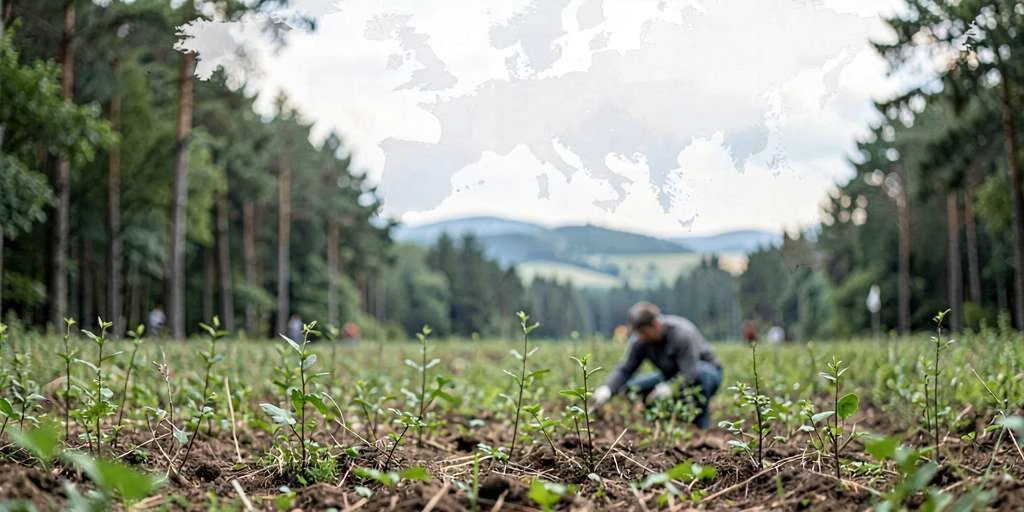
The EU Deforestation Regulation (EUDR) aims to combat global deforestation linked to agricultural expansion. It establishes a framework to ensure that products sold in the EU do not contribute to forest degradation, addressing a significant environmental challenge.
Compliance with this regulation is crucial for operators and traders within the supply chain. The EUDR outlines specific requirements for due diligence and traceability, ensuring that all actors are aware of their responsibilities in safeguarding forested areas.
- Background of the European Union’s Deforestation Regulation
- Regulatory Framework and Compliance Timeline
- Categories of Actors and Their Obligations
- Due Diligence Requirements under the Regulation
- Products and Commodities Subject to the Regulation
- Risk Classification of Countries and Its Implications
- The EUDR Information System and Monitoring Tools
- Role of Competent Authorities and Enforcement
- Support Mechanisms and Cooperative Platforms
- Preparing Businesses for EUDR Compliance
- Impact of the Regulation on Global Supply Chains
- Interaction with Other European Environmental Regulations
Background of the European Union’s Deforestation Regulation
The European Union’s Deforestation Regulation emerges from a pressing need to address the widespread degradation of forests globally. It seeks to mitigate the adverse effects of deforestation driven primarily by agricultural expansion, thereby promoting environmental sustainability.
Global Drivers of Forest Degradation and Deforestation
Numerous factors contribute to the ongoing crisis of forest degradation. Key drivers include:
- Agricultural Expansion: The cultivation of crops such as soy, palm oil, and cocoa leads to significant forest clearing, particularly in tropical regions.
- Infrastructure Development: The construction of roads, urban areas, and industrial sites encroaches upon forested land.
- Mining Activities: Resource extraction often results in the destruction of vast forest areas, further exacerbating deforestation rates.
- Climate Change: Altered weather patterns can weaken forest ecosystems, making them more susceptible to degradation.
Agricultural Commodities Covered by the Regulation
The regulation outlines specific agricultural commodities that contribute to deforestation, aiming to ensure that these products are sourced sustainably. The primary commodities include:
- Timber and Wood-based Products: Products derived from forests are subject to strict compliance measures.
- Oil Palm: A significant driver of deforestation, palm oil plantations expand at the expense of rainforests.
- Soja: The demand for soy in animal feed has led to extensive deforestation, especially in South America.
- Cocoa: Cultivation practices can often lead to environmental degradation if not managed sustainably.
- Coffee: The growth of this commodity also presents risks to forest areas when traditional farming methods are replaced with extensive monocultures.
- Rubber: The expansion of rubber plantations continues to threaten tropical forest ecosystems.
Link Between Deforestation and Climate Change Impact
Forests play a crucial role in sequestering carbon and providing essential ecosystem services. Deforestation disrupts these functions, leading to severe consequences for the climate. The relationship between deforestation and climate change can be summarized as follows:
- Increased Greenhouse Gas Emissions: When forests are cut down or burned, stored carbon is released into the atmosphere, contributing to global warming.
- Altered Weather Patterns: Deforestation can modify local and regional climates, resulting in changes to rainfall patterns and temperature extremes.
- Biodiversity Loss: The destruction of forests leads to habitat loss, threatening countless species and reducing biodiversity, which is vital for ecosystem resilience.
- Impact on Communities: Local communities that depend on forests for their livelihoods face increased risks as ecosystems deteriorate, impacting food security and health.
Regulatory Framework and Compliance Timeline
The EU Deforestation Regulation establishes a comprehensive framework aimed at reducing the EU's impact on global deforestation. It sets a clear timeline for compliance, ensuring that all relevant actors within the supply chain adhere to the new standards.
Key Provisions of the EU Deforestation Regulation (EUDR)
This regulation incorporates several essential stipulations designed to guarantee that products brought into the EU market do not originate from recently deforested areas. One of its core requirements is the obligation for operators to perform due diligence. This due diligence must include:
- Verifying the origin of products and ensuring a reliable supply chain.
- Implementing traceability measures to track products from source to market.
- Maintaining compliance with the laws of the producer countries concerning forest management and land use.
These provisions are crucial in mitigating the environmental impact associated with certain agricultural practices that lead to deforestation.
Deadlines for Large, Medium, and Small Operators
To facilitate a smooth transition towards compliance, the regulation designates specific deadlines based on the size of the operators. The following timelines are established:
- Large and medium-sized operators: Required to comply with the regulation by December 30, 2025.
- Micro and small operators: Given a deadline of June 30, 2026, to adhere to the new standards.
- Micro and small enterprises already governed by the EU Timber Regulation: Must comply by December 30, 2026.
This structured approach allows businesses to plan and prepare effectively for the necessary changes in their practices.
Recent Amendments and Simplifications (December 2024–2025)
In response to feedback from stakeholders and the evolving nature of the market, recent amendments to the EUDR have been introduced. These changes aim to simplify certain compliance aspects and reduce administrative burdens.
- The amendments streamline documentation processes, making it easier for businesses to provide the necessary evidence of compliance.
- Clarifications on traceability requirements have been issued, assisting operators in understanding their obligations.
- Support mechanisms, such as technical assistance and financial aid, have been enhanced to help companies transition to compliance.
Such updates are integral for ensuring that businesses can meet the new requirements while minimizing disruptions in their operations.
Categories of Actors and Their Obligations
Understanding the different categories of actors involved in the supply chain is essential to comprehend their respective obligations under the EU Deforestation Regulation. These roles vary considerably, affecting compliance requirements and responsibilities across the entire chain.
Roles of Operators in the Supply Chain
Operators play a vital role in ensuring that products entering the EU market are deforestation-free. They are primarily responsible for placing products on the market for the first time, whether through importation or local production. This means operators must ensure that their supply chains do not originate from deforested areas.
Key obligations for operators include:
- Conducting a thorough due diligence assessment to verify the sources of their products.
- Providing geolocation data that accurately reflects the origin of the raw materials used.
- Implementing risk mitigation strategies to manage potential deforestation risks associated with their supply chain.
Responsibilities of Traders and Distributors
Traders and distributors also carry significant responsibilities related to the regulation. Their main function is to ensure the continued compliance of products already placed on the market. They must guarantee that the information regarding the origin and legality of products remains transparent throughout the distribution process.
To fulfill these obligations, traders and distributors must:
- Verify the due diligence statements provided by operators before purchasing products.
- Maintain a clear record of the supply chain information, ensuring that all details about product origins are accessible.
- Engage proactively in risk assessment processes to identify and address any potential non-compliance issues.
Specific Requirements for Micro and Small Operators
Micro and small operators face unique challenges in adapting to the regulatory landscape, with tailored requirements to support their compliance efforts. Even though they have different obligations compared to larger entities, it is critical for them to align their operations with the overarching goals of the EUDR.
Key considerations for these operators include:
- Utilizing simplified due diligence processes that acknowledge their scale while ensuring compliance.
- Implementing basic traceability measures that reflect their capacity to track and document supply chain origins.
- Participating in training and capacity-building initiatives to understand the full scope of their responsibilities.
Micro and small operators must remain vigilant in adhering to these standards, as their contribution is essential for achieving the regulation’s objectives.
Due Diligence Requirements under the Regulation
Due diligence requirements are crucial for ensuring that products entering the EU market are sourced sustainably. These obligations are designed to create transparency across the supply chain, mitigate risks of deforestation, and enhance the overall accountability of operators and traders.
Components of the Due Diligence Statement
The due diligence statement acts as a formal declaration from operators, confirming that their products are not linked to deforestation. This statement must include several key elements:
- Product Description: A clear identification of the specific products covered by the statement.
- Origin Evidence: Documentation demonstrating the geographical origin of the materials used.
- Environmental Impact Assessment: An evaluation of potential environmental consequences associated with the product sourcing.
- Compliance Measures: A description of procedures in place to ensure adherence to relevant legislation and regulations.
Geolocation and Traceability of Covered Products
Accurate geolocation is fundamental for proving the origin of products. This includes providing precise geographical coordinates where the products are sourced. Traceability must be maintained throughout the supply chain to confirm that products can be tracked back to their original source. Key aspects include:
- Mapping Supply Chains: Implementing systems that allow visibility from the origin to the final product stage.
- Data Collection: Gathering geospatial data to support traceability claims and facilitate audits.
- Integration of Technology: Utilizing software solutions that enhance data management and traceability efficiency.
Risk Assessment and Mitigation Measures
Conducting thorough risk assessments is a fundamental requirement under the regulation. Operators must identify potential deforestation risks associated with their supply chains and implement appropriate mitigation strategies. Key components include:
- Risk Identification: Assessing factors that may increase the likelihood of sourcing from deforested areas.
- Impact Evaluation: Understanding how sourcing practices may affect local ecosystems and communities.
- Mitigation Strategies: Developing action plans to address identified risks and minimize potential environmental damage.
Ensuring Compliance with National Laws in Producer Countries
Compliance with the local legislative framework in producer countries is essential. Operators must ensure their sourcing practices align with national laws intended to protect forests and promote sustainable agriculture. This includes:
- Understanding Local Regulations: Familiarizing themselves with the legal requirements of the countries from which they source materials.
- Engaging Local Stakeholders: Collaborating with local governments, NGOs, and communities to foster compliance and promote sustainable practices.
- Monitoring Compliance: Regularly reviewing and documenting adherence to both local and EU regulations to ensure ongoing compliance.
Products and Commodities Subject to the Regulation
This section delves into the specific products and commodities covered by the EU Deforestation Regulation, highlighting the importance of sustainable sourcing practices.
Covered Timber and Wood-based Products
The regulation applies to a wide range of timber and wood-based products. These items are crucial due to the significant rates of deforestation associated with illegal logging practices.
- Product Categories:
- Timber products such as sawn wood, plywood, and paper products.
- Wood-based furniture that may involve tropical hardwood species.
- Any composite wood products that derive from logging activities.
It is essential for operators to maintain traceability and ensure compliance with the legal frameworks guiding the sourcing of these materials.
Agricultural Commodities: Palm Oil, Soy, Cocoa, Coffee, and Rubber
This regulation particularly emphasizes several key agricultural commodities that have been linked to significant deforestation. The comprehensive list includes:
- Palm Oil: Known for extensive plantation expansion, often leading to habitat loss.
- Soy: Widely cultivated in regions that are crucial for diverse ecosystems.
- Cocoa: Primarily sourced from areas facing severe environmental degradation.
- Coffee: Its production can threaten biodiversity if not managed sustainably.
- Rubber: The plantation of rubber trees has frequently replaced rich forest ecosystems.
Each commodity requires operators to provide rigorous documentation and proof of compliance with traceability requirements, ensuring their sources do not contribute to deforestation.
Meat and Cattle Production and Associated Risks
Meat and cattle production poses considerable risks in the context of deforestation. The past few decades have seen vast tracts of forest being cleared for pasture land and feed crops.
- Significant Factors include:
- Deforestation driven by cattle ranching practices, particularly in South America.
- The impact of soy cultivation for animal feed resulting in habitat destruction.
- The need for sustainable grazing practices to mitigate environmental impacts.
Operators engaged in meat production must undertake meticulous evaluations to ensure compliance with the regulation’s stipulations and mitigate the adverse effects on forested areas.
Risk Classification of Countries and Its Implications
Understanding the risk classification of countries is essential for comprehending the compliance landscape under the EU Deforestation Regulation. This classification determines the obligations and frequency of compliance requirements based on the likelihood of deforestation linked to the production of specific agricultural commodities.
Definition of Low-Risk Countries and Compliance Frequency
Low-risk countries are those identified as having minimal deforestation risk associated with the agricultural products covered by the regulation. The classification is based on several criteria, including historical land use patterns, governance quality, and environmental protections in place.
For operators sourcing from low-risk countries, compliance requirements are less frequent compared to those in higher-risk regions. The expectation is that due diligence processes may be streamlined, focusing on the transparency and traceability of products. Typically, companies will be required to conduct a reassessment of their supply chains every two to three years, depending on evolving risk assessments that could influence their status.
Identification of High-Risk Countries and Enhanced Measures
High-risk countries, by contrast, are recognized for the significant association between their agricultural production and deforestation. Identifying these countries prompts the EU to implement stringent measures aimed at reducing environmental impacts. Factors contributing to high-risk classification include severe deforestation rates, inadequate regulatory frameworks, and widespread illegal logging.
- Operators must undertake enhanced due diligence processes.
- Frequent monitoring and verification of supply chain sources may be mandated.
- Additional documentation demonstrating compliance with local laws and environmental protections will be required.
As a result, businesses engaging with high-risk countries face increased scrutiny. This ensures that their sourcing practices align with the EU's sustainability goals and international environmental norms.
Standard-Risk Countries and Intermediate Obligations
Standard-risk countries fall into a category that does not show an extensive history of both low and high risk in terms of deforestation. Companies operating in these regions must comply with intermediate obligations that are more comprehensive than those for low-risk nations but less stringent than those for high-risk territories.
- Operators are required to conduct regular assessments of deforestation risks.
- Documentation must prove that sourcing practices comply with applicable regulations.
- Operators should implement risk mitigation strategies based on their assessments.
This balanced approach allows for adaptability in compliance requirements, helping to foster sustainable agricultural practices while maintaining economic viability for businesses in these regions.
The EUDR Information System and Monitoring Tools
The EUDR Information System is designed to enhance transparency and ensure compliance with the regulation. By leveraging advanced technology, stakeholders can effectively track and monitor operators and traders involved in the deforestation supply chain.
Registration and Tracking of Operators in the System
This component of the EUDR Information System focuses on the efficient registration and tracking of all operators subject to the regulation. Operators must provide essential information to facilitate their registration.
- Identification details of the operators
- Type and scale of products they handle
- Geolocation data regarding sourcing locations
Continuous monitoring will be essential, allowing authorities to verify that registered parties adhere to the requirements of the EUDR. This system aims to minimize risks associated with non-compliance and ensure that only products verified as deforestation-free enter the European market.
Data Transparency and Access to Supply Chain Information
Transparency in data sharing enables stakeholders to access critical supply chain information. This element is vital for building trust among consumers, businesses, and regulatory bodies.
- Publishing information on product sourcing
- Facilitating public access to compliance records
- Encouraging collaboration between different stakeholders
By making data more accessible, the EUDR Information System aims to foster an environment where sustainable practices are encouraged. Stakeholders can share best practices and insights, enabling improvements in compliance strategies across the board.
Use of Digital Tools for Risk Assessment and Reporting
Digital solutions will play a crucial role in assessing risks associated with deforestation and monitoring adherence to the EUDR. These tools enable operators to analyze and report on various aspects of their supply chains.
- Automated risk assessment algorithms based on geospatial data
- Reporting features to document compliance efforts
- Integration with existing supply chain management systems
The incorporation of these digital tools enhances the ability of businesses to identify potential risks and implement effective mitigation measures. Regular updates and assessments will aid in aligning operational practices with the standards set forth by the EUDR.
The efficacy of the EU Deforestation Regulation is heavily reliant on the active participation and oversight of competent authorities in the member states. These authorities play a crucial role in ensuring that both businesses and supply chains adhere to the stipulated regulations, thereby fostering compliance and preventing deforestation.
Designation of National Authorities in Member States
National authorities tasked with regulating and enforcing compliance are appointed across EU member states. These bodies are responsible for the implementation of the EUDR at local levels, ensuring that operations within their jurisdictions adhere to the requirements set forth in the regulation. Responsibilities of these authorities include:
- Establishing clear regulatory frameworks based on EU guidelines.
- Facilitating education and outreach programs to raise awareness about compliance obligations.
- Collaborating with stakeholders, including businesses, environmental organizations, and local communities.
Monitoring Compliance and Conducting Inspections
To maintain high standards of compliance, national authorities are mandated to routinely monitor businesses operating within their territories. Effective compliance monitoring is established through various mechanisms including:
- Regular inspections of supply chain processes and documentation.
- Assessment of due diligence statements submitted by operators and traders.
- Utilization of technology and data analysis tools to track compliance.
Inspections may be scheduled or conducted in response to reports of non-compliance. The results of these inspections are crucial for identifying areas where businesses may require additional guidance or support.
Sanctions for Non-compliance: Fines, Confiscations, and Exclusions
Failure to comply with the EU Deforestation Regulation can lead to significant repercussions. National authorities are empowered to impose sanctions which may include:
- Financial penalties that can reach a minimum of 4% of the operator's annual turnover.
- Confiscation of products deemed non-compliant, preventing them from entering the market.
- Exclusion from public tenders, affecting broader business opportunities.
Such measures underscore the seriousness of compliance and the commitment of the EU to combat deforestation through rigorous enforcement. The proactive role played by competent authorities is essential to uphold the integrity of the regulation and to encourage responsible practices within the industry.
Support Mechanisms and Cooperative Platforms
To facilitate compliance with the EU Deforestation Regulation, several support mechanisms and collaborative platforms have been established. These resources aim to guide stakeholders in navigating the complexities of environmental regulations and promoting sustainable practices in supply chains.
The European Commission’s Support Initiatives
The European Commission has launched various initiatives aimed at supporting compliance with the EUDR. These initiatives focus on enhancing understanding and implementation of sustainable practices, including:
- Capacity building programs for businesses to align their operations with the EUDR.
- Workshops and training sessions to disseminate knowledge about requirements and best practices.
- Guidance documents that elucidate compliance standards and procedures.
These efforts emphasize the importance of stakeholder engagement and collaboration among diverse actors within the supply chain. By fostering a culture of compliance, the European Commission aims to reduce the overall impact of agricultural practices on forested areas.
The Multi-Stakeholder Platform for Knowledge Exchange
A key component in promoting effective EUDR compliance is the establishment of a Multi-Stakeholder Platform. This platform serves as a collaborative space for knowledge exchange between various stakeholders, including:
- EU member states and their regulatory bodies.
- Non-governmental organizations (NGOs) advocating for sustainable forestry and agriculture.
- Private sector entities involved in the supply chain.
Regular meetings and discussions facilitate sharing of best practices, innovations in sustainable production, and effective compliance strategies. This platform not only encourages partnerships but also ensures that the voices of smallholders and marginalized producers are heard and considered in regulatory processes.
Financial and Technical Support for Supply Chain Actors
Recognizing the financial burden that compliance can place on companies, especially small and medium enterprises, various support mechanisms have been put in place. These include:
- Grants and subsidies to assist organizations in adopting sustainable technologies.
- Access to low-interest loans aimed at transitioning towards deforestation-free products.
- Technical assistance programs that provide expertise in implementing traceability systems.
The financial support schemes encourage actors within the supply chain to invest in sustainable practices, thereby enhancing their long-term viability and environmental responsibility. Such initiatives are essential to create a more resilient supply chain that aligns with environmental sustainability goals.
Preparing Businesses for EUDR Compliance
Implementing measures to meet the standards set by the European Union's deforestation regulation is essential for businesses involved in the trade of agricultural and forest products. Companies must take proactive steps to align their operations with the requirements outlined in the regulation.
Supply Chain Mapping and Transparency Enhancement
Understanding the flow of products through a supply chain is critical for compliance with EUDR. Businesses need to map their supply chains comprehensively to identify all actors involved in the production and distribution processes. This mapping should include:
- Identification of all suppliers and sub-suppliers.
- Understanding the geographical origins of raw materials.
- Assessment of each actor’s compliance with local and international laws relating to deforestation.
Enhancing transparency involves implementing clear documentation practices to maintain records of product origins and processing methods. This can facilitate the traceability required for compliance monitoring.
Supplier Engagement and Capacity Building
Effective engagement with suppliers is paramount to ensure they understand and can meet the EUDR standards. Companies should provide training and resources that focus on:
- The significance of compliance with deforestation regulations.
- Best practices for sustainable sourcing and production.
- Technological solutions available to demonstrate compliance.
Building capacity among suppliers will not only promote adherence to regulations but also foster a culture of sustainability throughout the supply chain. Collaborative efforts can lead to improved practices that benefit both businesses and the environment.
Integration of Traceability Software and Compliance Tools
Utilizing advanced traceability software is vital for maintaining compliance with the EUDR. Businesses should consider implementing digital solutions that offer:
- Real-time tracking of the origin of materials.
- Automated reporting features to streamline compliance documentation.
- Tools for risk assessment and monitoring.
These technologies can help businesses effectively manage their supply chains and ensure that all products are certified as deforestation-free. Integration of such tools into existing systems will enhance operational efficiency while supporting regulatory adherence.
Conducting Sustainability Audits and Assessments
Regular sustainability audits are essential for identifying areas of improvement within a company's processes. Assessments should include the evaluation of:
- Operational practices in relation to forest conservation.
- Supplier compliance with EUDR and local regulations.
- Environmental impacts of product sourcing and production methods.
These audits will assist in identifying gaps and opportunities for enhancing sustainability efforts. By conducting thorough assessments, businesses can take informed steps towards refining their practices and reinforcing their commitment to environmental stewardship.
Impact of the Regulation on Global Supply Chains
The introduction of the EU Deforestation Regulation is poised to reshape global supply chains significantly. Various stakeholders, from agricultural producers to retailers, must adapt to new compliance demands and sustainability goals.
Changes in Sourcing and Procurement Practices
As the regulation takes effect, businesses are reassessing their sourcing strategies. Companies are increasingly prioritizing suppliers who can provide clear evidence that their products are deforestation-free. This shift is causing a fundamental change in procurement practices:
- Emphasis on verified supply chains that utilize geolocation data to track the origin of products.
- Enhanced collaboration with suppliers to ensure compliance with new standards.
- The integration of sustainability criteria in the decision-making process for sourcing.
These adaptations are critical as firms strive to maintain their market positions while aligning with the new regulatory framework.
Effects on Smallholders and Producers in Third Countries
The impact of this regulation extends beyond the EU borders, affecting smallholders and producers in developing nations. Many of these actors rely heavily on exports to the EU market:
- Increased validation requirements may pose a challenge for small producers who lack the resources to comply.
- Market access could become limited as larger retailers demand stringent compliance documentation.
- However, this pressure could incentivize innovation and sustainable practices among local farmers.
Support initiatives and capacity-building efforts from various organizations will be essential in helping these small producers adapt to the evolving landscape.
Opportunities for Sustainable and Climate-friendly Production
The regulation presents an opportunity for businesses to pivot toward sustainable practices that are not only compliant but also beneficial for the environment. This shift can lead to increased competitiveness through improved brand perception and customer loyalty:
- Investment in sustainable agricultural methods can enhance product quality and ecological health.
- Firms have the chance to position themselves as leaders in environmental sustainability, appealing to conscious consumers.
- The development and use of innovative technologies can drive efficiency and transparency throughout the supply chain.
As stakeholders embrace these opportunities, the potential for creating a more resilient and eco-friendly supply chain increases, fostering long-term benefits for both the environment and the economy.
Interaction with Other European Environmental Regulations
This section highlights the connections between the EU Deforestation Regulation and other relevant environmental policies within the European Union. Understanding these interactions is critical for companies navigating compliance and sustainability frameworks.
Alignment with the EU Timber Regulation (EUTR)
The EU Timber Regulation (EUTR) complements the EUDR by focusing on ensuring that timber and timber products in the EU market are legally harvested. This alignment supports a common goal of reducing illegal logging and its negative impact on forests. Both regulations emphasize due diligence and traceability as essential components.
Several critical factors characterize this alignment:
- Both regulations require operators to demonstrate that their products do not contribute to forest degradation.
- Stakeholders including businesses in the timber sector must implement rigorous tracking systems similar to those described in the EUDR.
- Legal compliance is evaluated through a shared framework, promoting an overarching effort towards sustainable forest management.
Coordinated Efforts to Reduce Greenhouse Gas Emissions
The EU Deforestation Regulation works in synergy with various initiatives aimed at curbing greenhouse gas emissions. These efforts are fundamental to achieving the EU’s broader climate goals, including commitments under international agreements such as the Paris Accord.
Here are key components of the coordination:
- Both regulations seek to mitigate the climate impact of commodity production through sustainable practices.
- Cross-regulatory programs facilitate knowledge exchange between different sectors, enhancing overall efficacy.
- By harmonizing objectives, the EU can leverage resources for effective environmental governance.
Synergies with Biodiversity Protection Policies
The interaction between the EU Deforestation Regulation and biodiversity protection policies is significant. Preserving biodiversity is vital not only for ecological balance but also for maintaining the health of global forests. The EUDR aligns with frameworks aimed at safeguarding threatened species and their habitats.
This synergy manifests in several ways:
- The regulations encourage sustainable land-use practices that benefit both forest ecosystems and agricultural production.
- Collaboration among environmental authorities ensures that conservation efforts are integrated into supply chain assessments.
- Implementing comprehensive environmental strategies allows for a more significant impact on preserving biodiversity across Europe.
Leave a Reply