Renewable energy EU directive: Key Steps Towards a Sustainable Future
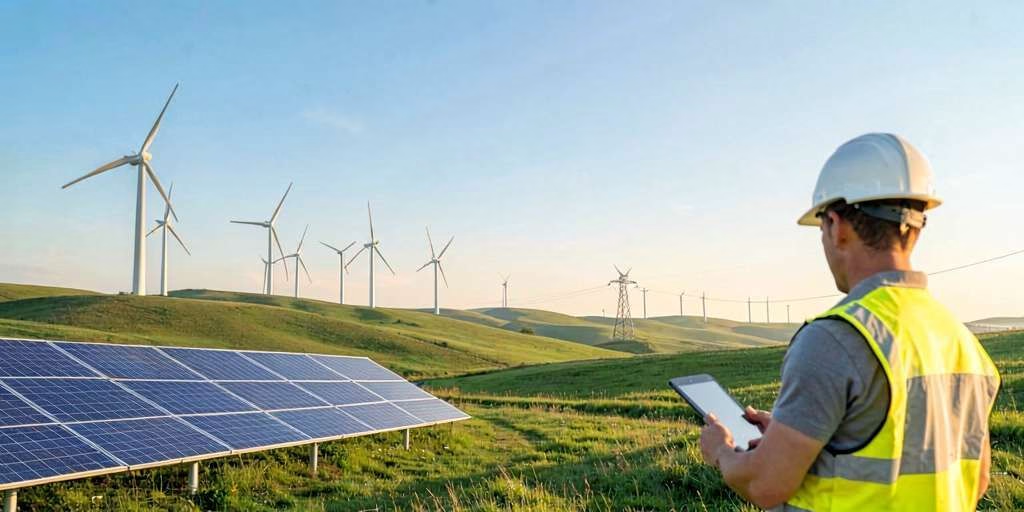
The Renewable Energy Directive (RED) is a key regulatory framework for the European Union, aimed at promoting the use of renewable energy sources. It sets binding targets and guidelines for member states to increase their share of renewable energy in the overall energy mix.
This directive supports the EU's commitment to sustainability and climate neutrality. It also facilitates cooperation among member states, ensuring a collective effort to transition towards cleaner energy solutions while addressing the challenges of climate change.
- Overview of the Renewable Energy Directive Framework
- Renewable Energy Targets and Binding Obligations
- Implementation Strategies by Member States
- Renewable Energy Sources and Technologies
- Support Mechanisms and Policy Instruments
- The Renewable Energy Directive and the Green Deal
- Challenges in Directive Implementation
- Socioeconomic Benefits and Energy Security
- Compliance Guidance and Support Tools
- Future Perspectives and Further Energy Targets
Overview of the Renewable Energy Directive Framework
The framework of the Renewable Energy Directive sets a structured approach to increasing the use of renewable energy within the European Union. It encompasses policies and guidelines that drive member states toward meeting their energy sustainability goals.
Evolution of the EU Renewable Energy Policy
The journey of EU renewable energy policy began in the 1990s, marked by initial efforts to establish a competitive framework for renewable energy sources. Early actions, such as Germany's feed-in tariff system, laid the groundwork for broader European initiatives. This evolution has been characterized by increasing ambition, transitioning from vague commitments to binding targets.
With the passage of the initial Renewable Energy Directive in 2009, the EU set a definitive course, aiming for a target of 20% renewable energy in total energy consumption by 2020. This policy momentum has continued, prompting domestic legislation across member states to align with the EU’s overarching goals. Over the years, strategies have adapted to changing political climate and technological advancements, reflecting an ongoing commitment to sustainability and climate resiliency.
Key Milestones in Directive Development
Several key milestones have defined the progression of the Renewable Energy Directive. In 2018, the Clean Energy for All Europeans package reaffirmed the EU's commitment, incorporating new renewable energy targets for 2030, aimed at at least 32%. The revised directive from 2023 reaffirmed these targets while expressing an aspiration of increasing the share of renewables to 45% by the next decade.
- 2009: Initial Renewable Energy Directive (2009/28/EC) enacted.
- 2018: Clean Energy for All Europeans package introduced, enhancing 2030 targets.
- 2023: Revision of the directive established new ambitious goals for 2030 and beyond.
These milestones reflect the evolving landscape of renewable energy legislation, emphasizing both target ambition and the necessity of legislative alignment among member states. Additionally, these developments have created a framework within which countries can collaborate, adapting to specific national contexts while adhering to EU-wide objectives.
Role of the European Commission in Directive Updates
The European Commission plays a pivotal role in ensuring that the Renewable Energy Directive remains relevant and effective. Its responsibilities include monitoring progress, proposing updates to targets, and facilitating cooperation among member states. Regular assessments enable the Commission to identify areas needing enhancement or adjustment and to work towards effective solutions.
Furthermore, the Commission provides guidance and support for the implementation of national renewable energy plans. This includes technical assistance, funding opportunities, and sharing best practices among countries. The engagement of the European Commission is crucial for addressing challenges and ensuring that the EU's renewable energy framework can adapt to emerging geopolitical and market dynamics.
Through ongoing dialogue and collaboration, the European Commission seeks to foster an integrated approach that balances ambitious climate goals with economic realities. As it navigates the complexities of energy policy, the Commission exemplifies the EU's commitment to leadership in the global renewable energy transition.
Renewable Energy Targets and Binding Obligations
The Renewable Energy Targets and Binding Obligations established by the EU are integral to achieving long-term sustainability goals. They create a structured approach for member states, ensuring collective progress towards increasing renewable energy contributions across the continent.
National Renewable Energy Targets for 2030
Each EU member state is tasked with defining specific National Renewable Energy Targets by 2030. These targets are aligned with the overarching aim of reaching at least 42.5% renewable energy in the total energy mix. The targets vary between countries based on their existing capabilities, resources, and energy consumption patterns.
- Member states must assess their renewable energy potential, which is influenced by geographical and technological factors.
- Countries are encouraged to prioritize local resources, such as wind, solar, and biomass, to enhance energy autonomy.
- Collaboration among nations is vital to achieving targets, especially for countries with limited renewable energy resources.
Binding Nature of Renewable Energy Targets
The binding nature of these targets reinforces the commitment of each member state towards renewable energy goals. Failure to meet established targets can lead to consequences, including financial penalties and the requirement for corrective measures. Enforcement mechanisms ensure accountability and encourage proactive compliance.
- Monitoring frameworks track progress towards targets, allowing timely interventions if a member state falls behind.
- Binding targets foster a competitive environment, motivating countries to innovate and invest in renewable technologies.
Revision Process for Increasing Targets
The revision process for increasing the renewable energy targets is designed to be flexible and responsive to changing circumstances. As technology advances and new data emerges, these targets can be reassessed to reflect current realities and aspirations for sustainability.
- Regular assessments are conducted to evaluate the feasibility of existing targets and to propose adjustments where necessary.
- Stakeholder engagement is crucial in this process, as feedback from various sectors can shape future policies and targets.
Monitoring and Reporting of Progress
Monitoring and reporting mechanisms are essential components of the Renewable Energy Directive. They provide transparency and allow the European Commission to evaluate compliance among member states. Each country must submit reports outlining their progress in achieving set targets.
- Annual progress reports include data on energy production, consumption, and investments in renewable technologies.
- Member states are encouraged to share best practices and learn from each other's experiences to foster collective growth.
- Status updates help the EU adapt its strategies in real-time, ensuring that progress towards renewable energy objectives remains on track.
Implementation Strategies by Member States
The success of the Renewable Energy Directive relies heavily on the effective implementation strategies adopted by each member state. This section explores the specific actions countries are taking to meet their renewable energy goals and foster sustainable development.
Development of National Renewable Energy Action Plans
Member states are required to create National Renewable Energy Action Plans (NREAPs) as part of their commitment to the directive. These plans outline the path for increasing the share of renewables in their energy mix and detail the specific measures needed to achieve set targets. Each NREAP includes:
- Projected contributions of various renewable sources.
- Strategies for enhancing energy efficiency and reducing consumption.
- Timelines for implementation and milestones for monitoring progress.
By detailing these components, member states can align their national policies with the overarching EU objectives and ensure transparency in their approaches.
Cooperation Mechanisms Among Countries
To foster collaboration, the directive encourages cooperation mechanisms amongst member states. This collective effort is vital for achieving broader targets and ensuring that everyone contributes to the common goal of renewable energy expansion.
Statistical Transfers and Joint Projects
Member states may engage in statistical transfers, which allow countries that exceed their renewable targets to assist those struggling to meet theirs. This mutual support can take the form of joint projects, where resources and expertise are shared to develop new renewable energy technologies and infrastructures.
Support for Low-Capacity Countries
Recognizing varying capacities to generate renewable energy, the directive provides special provisions for countries with lower renewable energy generation potential. Support mechanisms are in place to assist these members in developing their renewable sector and achieving compliance with the directive.
Integration of Renewable Energy into National Grids
Integrating renewable energy sources into existing national grids is a crucial aspect of implementation. Efficient grid management is necessary for accommodating the variability of renewable energies and ensuring a reliable energy supply.
Infrastructure Challenges
Many member states face significant infrastructure challenges in transitioning to renewable sources. Upgrading existing grids, building new lines, and enhancing storage capabilities are essential tasks that require substantial investment and planning. Issues such as congestion and outdated technology can hinder the smooth integration of renewables into the energy system.
Cross-border Energy System Integration
Cross-border cooperation plays a critical role in the EU's energy landscape. By interconnecting national grids, member states can share renewable resources more effectively, leading to increased reliability and efficiency. Collaborative efforts to develop transnational energy projects can also enhance the overall stability of the energy supply within the region.
Renewable Energy Sources and Technologies
Renewable energy sources encompass various technologies that harness natural phenomena to generate power sustainably. This section delves into the most significant sources and technologies employed across Europe, highlighting their deployment and integration within the energy mix.
Wind and Solar Energy Deployment
Wind and solar energies have emerged as the backbone of renewable energy initiatives within the EU. Their deployment is essential for achieving ambitious climate targets. Wind energy, particularly, benefits from Germany's extensive coastline and has seen significant investment in offshore and onshore projects. Countries like Denmark and the Netherlands have also led the way, showcasing successful integration into national grids.
Solar energy continues to gain traction due to advancements in photovoltaic technology and supportive government policies. The adoption of solar panels on residential rooftops and large-scale solar farms are both critical aspects of the transition to renewables. These technologies have made substantial progress thanks to economies of scale and decreasing installation costs.
Use of Biofuels and Other Renewable Fuels
Biofuels represent a versatile component of renewable energy strategies. They include biodiesel and bioethanol, produced from organic materials. These fuels play a pivotal role in decarbonizing transport systems.
Sustainability Criteria for Biofuels
The sustainability of biofuels is paramount. Authorities have established stringent criteria to ensure their production does not threaten food security or lead to deforestation. These regulations encourage the use of waste products or non-food crops, ensuring biofuels contribute positively to a circular economy.
Role of Renewable Fuels in Transport
Renewable fuels are instrumental in reducing greenhouse gas emissions from the transport sector, which is a significant contributor to overall emissions in Europe. By blending biofuels with conventional fuels, or using them outright in existing engines, nations can significantly lower their carbon footprint while enhancing energy security.
Heating and Cooling from Renewable Sources
Heated and cooled environments account for a notable portion of energy consumption. Renewable sources provide myriad solutions for thermal energy needs, from residential to industrial applications.
Solar Thermal and Geothermal Systems
Solar thermal systems capture sunlight to produce hot water or space heating, demonstrating efficiency in urban settings. Geothermal energy utilizes the earth's internal heat, which can be particularly beneficial in countries like Germany and Iceland. These systems offer reliable and continuous energy supply, minimizing reliance on fossil fuels.
Electrification of Heating Solutions
Electrification represents a transformative approach to heating, encouraging the shift away from oil and gas. Heat pumps are increasingly popular, efficiently transferring heat from the environment into buildings. This technology effectively utilizes renewable electricity, tying into the broader strategy of enhancing grid resilience and sustainability.
Support Mechanisms and Policy Instruments
Support mechanisms and policy instruments play a vital role in facilitating the transition to renewable energy sources across Europe. These frameworks provide necessary financial backing, regulatory guidance, and incentives that encourage investment in clean energy technologies.
Feed-in Tariffs and Premium Schemes
Feed-in tariffs (FiTs) and premium schemes are essential tools used by various EU member states to promote renewable energy generation. Under FiTs, producers of renewable energy receive a fixed payment for the energy they feed into the grid. This approach ensures a stable income for energy suppliers, allowing them to recover initial investments and encourage more projects. Premium schemes, on the other hand, offer additional payments to producers on top of market prices, creating an attractive economic environment for renewable energy investments.
Green Certificates and Market-Based Incentives
Green certificates serve as tradable commodities that encourage the production of renewable energy. Each certificate represents a certain amount of renewable energy generated. Utilities and other energy suppliers must acquire these certificates to meet regulatory requirements, providing an economic incentive for new renewable energy projects. This market-based approach fosters competition and drives innovation within the sector.
Funding and Investment Support
Financial assistance is crucial for the successful implementation of renewable energy projects. Various programs exist at both the EU and national levels to facilitate funding and investment opportunities.
EU-Level Financing Programs
The European Union has established several financing programs aimed at supporting renewable energy deployment. Initiatives like the Horizon Europe program provide grants and loans for research and innovation in sustainable energy technologies. These programs are designed to support projects that align with the EU's long-term climate goals while fostering economic growth.
National Grant and Loan Schemes
In addition to EU-level programs, individual member states offer their own grant and loan schemes tailored to local needs. These national incentives are designed to bolster investment in renewable energy infrastructure. By providing financial support, governments can stimulate the market and accelerate the adoption of clean energy technologies. Programs may include direct grants for solar installations, low-interest loans for wind projects, and incentives for energy efficiency improvements in buildings.
The Renewable Energy Directive and the Green Deal
This section explores the integral relationship between the Renewable Energy Directive and the European Green Deal, highlighting their shared goals in fostering sustainability and combating climate change.
Alignment with the European Green Deal Objectives
The European Green Deal encompasses a robust agenda aimed at transforming the economy towards sustainability. The Renewable Energy Directive serves as a fundamental component of this vision, setting ambitious targets for expanding renewable energy deployment across member states. This synergy is visible in several focal areas:
- Enhancing energy efficiency and reducing greenhouse gas emissions.
- Promoting sustainable practices that align with environmental protection standards.
- Fostering innovation in green technologies to support economic growth.
These aspects form the foundation for achieving broader Green Deal objectives, establishing a cohesive strategy that guides EU member states towards comprehensive environmental stewardship.
Role in Achieving Climate Neutrality by 2050
The aim of achieving climate neutrality by 2050 is at the forefront of EU policy. The Renewable Energy Directive plays a pivotal role in facilitating this transition by driving the shift away from fossil fuels towards renewable energy sources. Key mechanisms leading towards this goal include:
- The establishment of legally binding targets for renewable energy consumption.
- Encouragement of investments in renewable technologies and infrastructures.
- Implementation of measures to ensure efficient use of energy resources.
By aligning renewable energy frameworks with climate neutrality goals, the directive aids in modeling a sustainable future while ensuring that the EU meets its global climate commitments.
Contribution to the Clean Energy Transition
The Renewable Energy Directive not only aims to increase the share of renewables but also contributes to a holistic clean energy transition. Various initiatives underscore its importance:
- Facilitating the development of national strategies to integrate renewable energy into existing energy systems.
- Supporting cross-border cooperation to enhance energy distribution and stability.
- Encouraging the diversification of renewable energy sources, ensuring a balance between energy needs and environmental responsibilities.
This multifaceted approach reinforces the commitment of the EU to clean energy, promoting a future that prioritizes environmental health and economic stability. Continued efforts under the Renewable Energy Directive are essential for achieving transformative progress in the EU's clean energy landscape.
Challenges in Directive Implementation
Implementing the Renewable Energy Directive presents a series of notable challenges for EU member states. These obstacles can hinder progress towards achieving renewable energy targets and necessitate innovative solutions.
Grid Infrastructure and Storage Limitations
The existing grid infrastructure in many EU countries is often not equipped to handle the increasing share of renewable energy. As the shift towards renewables accelerates, the demand for upgrades in grid capabilities becomes critical. Integrating diverse energy sources like wind and solar requires a more flexible and robust grid.
Issues such as congestion and bottlenecks in transmission lines can impede the distribution of renewable energy. Moreover, the need for efficient energy storage solutions is paramount to manage the intermittency of sources like solar and wind. Until significant advancements are made in energy storage technologies, the dependence on fossil fuels during peak demand remains a risk.
Regulatory and Administrative Barriers
Complex regulatory frameworks can hinder the swift implementation of renewable energy solutions. Inconsistent policies among member states may create a fragmented market, complicating cross-border cooperation. Each country has varying degrees of regulatory capabilties, and this discrepancy can lead to delays in project approvals.
Administrative hurdles, such as lengthy permitting processes and lack of clear guidelines, can dissuade private investment in renewable technologies. Streamlining these processes is essential for enabling faster implementation of renewable projects across Europe.
Private Sector Engagement and Investment Risks
Engaging the private sector is crucial for financing the transition to renewable energy. However, there are significant investment risks that can deter private involvement. Uncertainties around regulatory changes, market fluctuations, and technological advancements can influence investor confidence.
Public-Private Partnerships
Public-Private Partnerships (PPPs) can be a promising solution to bridge investment gaps in renewable energy projects. By combining public objectives with private expertise and funding, these partnerships can effectively align interests and resources. Successful PPPs can lead to innovation and accelerate the deployment of renewable technologies, fostering a robust energy market.
Innovation and Emerging Business Models
The renewable energy sector requires continuous innovation to overcome existing challenges. Emerging business models, such as decentralized energy systems or community-based energy initiatives, can offer new pathways for engagement and investment. These models encourage local participation and can enhance public acceptance of renewable projects, helping to overcome skepticism and resistance.
Socioeconomic Benefits and Energy Security
The integration of renewable energy into the European energy landscape offers numerous socioeconomic benefits while enhancing energy security.
Job Creation in Renewable Energy Sectors
The transition to renewable energy sources is poised to create substantial employment opportunities. Various sectors, including solar, wind, and bioenergy, are expanding rapidly, leading to the emergence of numerous jobs. These jobs will encompass a diverse range of skills and professions, such as:
- Installation and maintenance of renewable energy systems
- Research and development of innovative technologies
- Project management and consulting services
- Manufacturing of energy-efficient equipment
By investing in green technologies, not only are new jobs being created, but existing roles are also evolving. Workers in traditional energy sectors can transition to roles in renewables through retraining and upskilling programs. This shift not only contributes to job growth but also creates a sustainable workforce prepared for the future energy market.
Reducing Dependence on Fossil Fuels
Renewable energy sources significantly diminish reliance on fossil fuels, which contributes to greater energy security for the EU. By diversifying the energy supply, countries are better insulated against volatile oil and gas markets. Key aspects of this transition include:
- Increased energy independence through local energy production
- Stabilization of energy prices by reducing dependency on external sources
- Reduction of greenhouse gas emissions, aligning with climate goals
This transition eases the economic burden associated with energy imports, fostering a more resilient and secure energy infrastructure. Greater energy independence also enhances geopolitical stability within the region, as countries strive to reduce their vulnerability to global energy fluctuations.
Addressing Energy Poverty Through Renewables
Renewable energy technologies can play a pivotal role in alleviating energy poverty across Europe. By leveraging affordable renewable solutions, vulnerable communities can gain access to reliable energy sources. Important factors contributing to this empowerment include:
- Cost-effectiveness of renewable technologies, leading to lower energy bills
- Decentralized energy systems allowing for local generation
- Job creation within local communities, supporting economic development
Initiatives aimed at promoting accessibility to renewable energy will aid in reducing the strain on low-income households. Programs that support energy efficiency measures and the installation of renewable energy systems can help bridge the energy gap, enabling more citizens to access clean energy solutions.
Compliance Guidance and Support Tools
Support mechanisms are essential for aligning national policies with EU directives. The following sections detail recommendations and platforms that assist member states in meeting compliance requirements.
European Commission Recommendations
The European Commission plays a pivotal role in guiding member states on the implementation of renewable energy policies. Comprehensive recommendations are systematically issued, aimed at facilitating practical compliance. These guidelines encompass various aspects of renewable energy integration, focusing on best practices, reporting frameworks, and the alignment of national regulations with EU objectives.
Such recommendations cover a range of topics, including:
- Frameworks for developing national renewable energy action plans.
- Strategies for enhancing cooperation among member states.
- Guidelines for monitoring and reporting on progress towards renewable energy targets.
This structured approach ensures that all countries can benefit from shared knowledge and experiences, thereby fostering a collaborative environment for achieving common goals.
National Support Platforms and Resources
Each member state is encouraged to establish national platforms designed to support compliance and facilitate the transition to renewable energy. These platforms serve as central resources, providing tools, data, and advice tailored to the specific needs of national stakeholders. They encompass various forms of support, including:
- Access to methodological guidelines for implementing EU directives.
- Resources for training personnel involved in renewable energy projects.
- Information on available funding opportunities and financing mechanisms.
By centralizing resources, these platforms ensure streamlined access to essential information and technical assistance, which is crucial for compliance efforts.
Data Sharing and Transparency Initiatives
Transparency is crucial for effective compliance with renewable energy mandates. Initiatives aimed at improving data sharing between member states play a vital role in enhancing cooperation and accountability. By improving the accessibility of data, stakeholders can make informed decisions based on comprehensive information.
Battery Data Cooperation Dialogues
One significant aspect of data sharing involves dialogues focused on battery-related data. These dialogues facilitate the exchange of information and best practices between countries, particularly in the context of energy storage solutions essential for integrating renewable sources. By collaborating on battery technologies, member states can enhance their energy security and support further renewable energy adoption.
Renewable Energy Statistical Pocketbook
To complement data-sharing efforts, the European Commission has developed the Renewable Energy Statistical Pocketbook. This comprehensive publication compiles key statistical information on renewable energy deployment across the EU. It provides valuable insights into trends, successes, and areas requiring further attention. Regular updates ensure that the data remains current, supporting effective decision-making and compliance assessment.
Future Perspectives and Further Energy Targets
The future of renewable energy in the EU remains bright as ambitious targets are set for the upcoming years. Preparation for a comprehensive framework beyond 2030 is crucial to sustain momentum in renewable energy initiatives.
Preparing for Renewable Energy Framework Beyond 2030
To ensure continued progress in the renewable energy sector, a robust framework for post-2030 is in the works. Key considerations include:
- Establishing more aggressive renewable energy targets aimed at not just reducing dependency on fossil fuels but also driving economic growth through green technologies.
- Integrating advancements in energy storage and grid technology to accommodate higher renewable energy outputs while ensuring grid stability.
- Enhancing cross-border collaboration among member states to tackle common challenges and share resources effectively.
Public Consultation Processes and Stakeholder Engagement
Engagement with the public and stakeholders will play a vital role in shaping the renewable energy landscape. Transparent dialogues will facilitate the collection of diverse perspectives and innovative ideas.
- Public consultations will take place to gather input on proposed energy frameworks, ensuring that policies reflect the priorities of citizens and businesses.
- Stakeholders, including industry leaders and environmental organizations, will be encouraged to participate actively in discussions about future energy strategies.
- Feedback mechanisms will be developed to provide ongoing opportunities for stakeholders to influence EU renewable energy policies.
Innovations and Technological Advances for 2040 and Beyond
Emerging technologies promise to revolutionize the energy sector significantly. Innovations are anticipated in various fields, ensuring advancements align with sustainable goals.
- Continued research and development will focus on enhancing the efficiency of renewable energy technologies, such as wind turbines and solar panels.
- Investment will be directed toward the exploration of hydrogen as a clean energy source, which could complement current renewable technologies.
- Smart grid technologies will be integrated more fully to manage energy distribution dynamically, improving overall efficiency and reliability.
Ultimately, these future perspectives demonstrate the EU's commitment to achieving higher levels of renewable energy utilization, ensuring a more sustainable and resilient energy system.
Leave a Reply