Traceability Solutions Providers for Sustainable Supply Chains

Traceability solutions are essential for modern supply chains. They enable companies to track the origin and movement of products throughout the entire process, enhancing transparency and accountability.
These solutions help businesses comply with regulations and manage risks more effectively. Key technologies, such as blockchain and IoT, play a crucial role in improving supply chain efficiency and fostering consumer trust.
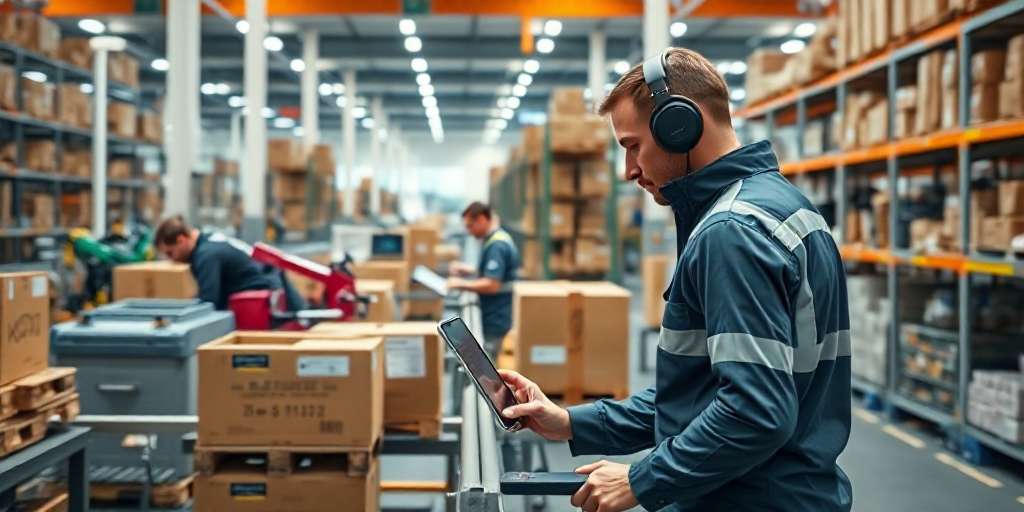
Importance of Traceability in Supply Chains
Traceability plays a pivotal role in modern supply chains. It not only enhances operational efficiency but also fosters transparency and compliance with regulatory demands.
Enhancing Transparency and Trust
In today's market, consumers are increasingly demanding transparency regarding the products they purchase. Companies that implement traceability measures can enhance trust among their customers by providing information about the origins and journey of their products. This transparency builds a stronger relationship between businesses and consumers, allowing for informed purchasing decisions.
Regulatory Compliance and Risk Management
Regulatory compliance is critical in various industries, especially concerning food safety, pharmaceuticals, and consumer goods. Traceability solutions serve as essential tools in ensuring that organizations adhere to regulatory standards, thereby mitigating risks associated with non-compliance.
Meeting Industry Standards
Different industries have specific standards that guide product quality and safety. By employing traceability, businesses can ensure that they meet these industry benchmarks consistently. It allows companies to document their processes in real-time and guarantees products achieve certification without fail.
Managing Supply Chain Risks
Effective risk management is crucial for maintaining a robust supply chain. Through traceability, organizations can swiftly identify vulnerabilities and potential bottlenecks. This capability helps in minimizing disruptions. Implementing traceability protocols can assist companies in isolating issues related to supplier performance or quality control.
Key Technologies in Traceability Solutions
Technological advancements play a pivotal role in enhancing traceability solutions. Various innovative tools ensure reliable tracking, data integrity, and improved operational efficiency across supply chains.
Blockchain for Secure Data Management
Blockchain technology revolutionizes data management by providing a decentralized ledger system. This transparency leads to enhanced accountability among supply chain partners. Every transaction recorded on the blockchain is immutable, safeguarding against data tampering. Furthermore, having a unified record of all transactions facilitates audits and enables real-time tracking of product movements.
Digital Platforms for Real-Time Monitoring
Digital platforms serve as the backbone for modern traceability solutions providers. These systems provide real-time insights into product status, enhancing responsiveness. Companies utilize advanced software that integrates seamlessly with existing operations, ensuring a smooth flow of information.
Integration with ERP and MES Systems
The integration of traceability solutions with Enterprise Resource Planning (ERP) and Manufacturing Execution Systems (MES) is critical. This synergy allows for streamlined processes, ensuring that all data regarding production, shipping, and inventory is precise and up-to-date. Such integration optimizes workflow and reduces the likelihood of discrepancies.
Real-Time Data Collection and Validation
Real-time data collection systems provide instant feedback on product status throughout the entire supply chain. By employing sensors and automated data capture technologies, businesses can validate the authenticity and integrity of information. This capability not only enhances traceability but also streamlines decision-making processes.
IoT and RFID for Efficient Logistics
The Internet of Things (IoT) and Radio Frequency Identification (RFID) technologies play significant roles in logistics. These tools enable efficient and accurate tracking of inventory, thereby reducing losses and ensuring timely delivery. IoT devices collect and transmit data continuously, offering insights into inventory levels, environmental conditions, and supply chain movements.
Tracking Inventory with IoT Devices
IoT devices revolutionize how inventory is monitored. They provide real-time information on product location and condition. Sensors can detect temperature changes, humidity levels, or other environmental factors that may affect product integrity. This information helps businesses react promptly to potential issues, ensuring that quality standards are maintained.
RFID Solutions for Product Traceability
The adoption of RFID technology allows for automatic identification and tracking of products. RFID tags store information that can be read by scanners, enabling rapid inventory checks and monitoring. This technology not only accelerates the tracking process but also enhances accuracy, reducing human error in data collection.
Track and Trace Solutions: Follow every Product from Production to Purchase

Track and trace systems empower businesses to monitor individual products throughout the supply chain and trace them back to their origins with precision.
These solutions play a critical role in protecting consumers by enabling swift and accurate product recalls while ensuring compliance with industry regulations.
Moreover, track and trace tools provide manufacturers with valuable supply chain insights, enabling smarter, data-driven decisions. By optimizing logistics, enhancing product quality, and minimizing recall risks, these systems drive operational efficiency and build consumer trust over time.
Leading Traceability Solutions Providers
Numerous organizations are at the forefront of providing innovative traceability solutions, each with unique offerings aimed at enhancing supply chain transparency and efficiency.
IBM Sterling Transparent Supply
IBM Sterling Transparent Supply delivers an end-to-end traceability solution that leverages blockchain technology to provide secure and immutable data sharing among supply chain partners. The robust platform allows organizations to monitor their product flows in real-time, ensuring accuracy and compliance.
- Real-time tracking of product lifecycle.
- Enhanced sustainability data, helping companies to make decisions that align with their environmental goals.
- Support for risk management by providing visibility into each segment of the supply chain.
Inspectorio: AI-Powered Compliance
Inspectorio harnesses artificial intelligence to streamline compliance and monitoring across production processes. The platform connects varied production workflows, ensuring that companies uphold regulatory standards effectively.
- Immediate visibility into production compliance.
- Usage of data analytics for informed decision-making.
- Integration of various supply chain components into a comprehensive digital system.
TrusTrace for Fashion and Footwear
TrusTrace specializes in the fashion and footwear sectors, focusing on sustainable practices and ethical sourcing. Through its platform, brands can trace their supply chains effectively, allowing for accountability and transparency.
Sustainable Supply Chain Practices
The emphasis on sustainability in the production process helps brands align with consumer demands for ethical sourcing.
- Tools to assess supplier practices and material sourcing.
- Encouragement of responsible consumption and production among users.
Reducing Environmental Impact
By tracking the entire lifecycle of products, TrusTrace allows companies to identify areas for improvement in their sustainability efforts.
- Reduction of waste through improved inventory management.
- Informed strategies to minimize carbon footprints and resource usage.
Minespider: Focus on Raw Materials
Minespider is dedicated to tracing raw materials, providing a streamlined process to ensure ethical sourcing in the mining sector. Their approach enhances transparency and traceability throughout the supply chain.
- Comprehensive tracking of minerals from origin to end-user.
- Facilitation of compliance with global standards regarding responsible sourcing.
- Tools that enable companies to visualize supply lines and make data-driven decisions.
Transparency-One: Supplier Network Mapping
Transparency-One offers advanced mapping capabilities for supplier networks, enhancing the accountability and responsibility of supply chain operations. The platform not only boosts visibility but also fosters communication between businesses and their suppliers.
- Identification of supplier relationships and their compliance status.
- Support for ethical sourcing initiatives and supplier assessments.
- Enhancement of product safety through better monitoring of supplier performance.
Benefits of Implementing Traceability Solutions
The implementation of traceability solutions brings numerous advantages to organizations. By enhancing the ability to track and trace products throughout the supply chain, companies can not only improve operational efficiency but also strengthen their commitment to sustainability and consumer trust.
Improving Supply Chain Visibility and Efficiency
Effective traceability solutions providers significantly enhance supply chain visibility. Companies are able to monitor product movement from the point of origin to the final consumer. This visibility is crucial for optimizing operations and reducing inefficiencies.
- Real-time tracking allows for swift identification of potential delays and issues.
- Better understanding of supply chain dynamics aids in resource allocation and inventory management.
- Improved communication between stakeholders fosters a collaborative environment.
Sustainability and Environmental Responsibility
Modern traceability solutions providers play a pivotal role in promoting sustainability. Many companies are now focusing on their environmental impact, and having a transparent view of their supply chains allows for informed decision-making regarding sustainable practices.
Tracking Carbon Footprints
With the ability to monitor and analyze carbon emissions at each stage of the supply chain, companies can effectively track their carbon footprints. This tracking is essential not only for compliance with regulations but also for corporate social responsibility initiatives.
Supporting the Circular Economy
Traceability solutions encourage practices that align with circular economy principles. By tracking product life cycles and recycling processes, organizations can minimize waste and promote the reuse of materials, directly contributing to resource conservation.
Consumer Confidence and Brand Protection
Implementing traceability solutions significantly boosts consumer confidence. Today's informed consumers demand transparency regarding the products they purchase. Companies that provide verifiable information about their products strengthen their brand reputation.
Authenticity Verification
Traceability solutions enable businesses to verify the authenticity of their products. By using advanced tracking technologies, companies can assure consumers of the origin and quality of products, reducing concerns about counterfeiting.
Managing Product Recalls
In the event of a product recall, traceability solutions offer unparalleled advantages. Quick access to accurate product data facilitates rapid response times. This capacity to identify affected products minimizes potential health risks and protects the brand's integrity.
Use Cases and Success Stories
The integration of traceability solutions in various industries has led to significant success stories. These case studies showcase how organizations have effectively implemented these solutions to enhance their operations, ensuring compliance and sustainability.
Rémy Cointreau: Distribution Control
Rémy Cointreau, a prominent player in the luxury beverage industry, faced challenges regarding the control of their distribution channels. The company implemented a traceability solution that allowed them to monitor their products in real time throughout the supply chain. By leveraging advanced tracking technologies, Rémy Cointreau gained insights into the movement of their products, enabling them to identify unauthorized distribution practices quickly.
This enhanced visibility has helped the company mitigate risks associated with counterfeit products and maintain brand integrity. The system provided comprehensive reporting tools, allowing managers to analyze distribution patterns and address discrepancies promptly. As a result, Rémy Cointreau has fortified its distribution channels and improved operational efficiency.
ORGANIC INDIA: Aligning with Sustainable Development Goals
ORGANIC INDIA, a leader in organic food production, embraced traceability to align its operations with the United Nations Sustainable Development Goals (SDGs). By implementing a robust traceability solution, the company aimed to ensure transparency and accountability throughout its supply chain.
The platform enabled ORGANIC INDIA to connect with all stakeholders involved in the production process, from farmers to consumers. This interconnectedness ensured that they could verify the integrity of their organic certifications. Consequently, ORGANIC INDIA was able to provide consumers with transparent information about product origins and sustainability practices.
Through these efforts, the company successfully enhanced its reputation for sustainability and ethics in food production, ultimately leading to increased consumer trust and loyalty.
ZetesOlympus: EMEA Compliance and Brand Protection
ZetesOlympus specializes in providing traceability solutions tailored for the EMEA region. One of their key achievements includes implementing comprehensive tracing and tracking systems designed to meet stringent compliance regulations. This initiative has helped various companies streamline their operations while ensuring they adhere to local and international regulations.
By utilizing real-time data collection methods, ZetesOlympus has empowered organizations to manage their product recalls more efficiently. Accurate tracking records have proven crucial during crises, allowing for swift identification of affected batches and implementation of corrective measures.
- Enhanced compliance with local regulations
- Improved crisis management capabilities
- Strengthened brand protection through accurate data tracking
Through these success stories, it is evident that adopting traceability solutions not only enhances operational efficiency but also builds trust and accountability among consumers and partners.
Future Trends in Traceability and Supply Chain Management
The landscape of traceability and supply chain management is evolving rapidly. Emerging technologies and regulatory changes are shaping how businesses approach transparency and accountability within their operations.
Expanding Role of AI and Machine Learning
Artificial Intelligence (AI) and Machine Learning are becoming pivotal in enhancing traceability solutions. These technologies enable the analysis of vast amounts of data, identifying patterns that may otherwise go unnoticed. By automating data processing and predictive analytics, organizations can improve their decision-making and operational efficiency.
- Advanced algorithms can dynamically forecast demand, optimize inventory levels, and streamline logistics.
- Machine Learning models help in detecting anomalies in supply chain processes, reducing risks associated with supply disruptions.
Blockchain Evolution and Adoption
Blockchain technology is set to revolutionize the way data is secured and shared in supply chains. Its decentralized nature ensures that the information is tamper-proof and accessible to all stakeholders.
Enhancing Data Security
With increasing cyber threats, robust data security is paramount. Blockchain enhances security by encrypting data and enabling immutable records of transactions. This builds trust among participants as they can verify the authenticity and integrity of the information maintained across various touchpoints.
Increasing System Interoperability
As more enterprises adopt blockchain solutions, the interoperability between different systems becomes crucial. The ability for disparate systems to communicate effectively ensures a seamless flow of data across the supply chain. This enhances overall transparency and efficiency.
Emerging Regulatory Requirements
As governments and organizations emphasize ethical practices, emerging regulatory requirements are becoming more stringent. Compliance with these regulations is essential for fostering accountability in supply chains.
Sustainability Focus
Regulations increasingly mandate environmental responsibility. Companies are required to provide clear data on their sustainability efforts, including emissions and resource usage. Traceability solutions can facilitate compliance by providing comprehensive tracking of materials and their environmental impact.
Social Responsibility Initiatives
Legislation on social responsibility is gaining momentum, compelling businesses to ensure ethical sourcing and fair labor practices. Traceability tools help in monitoring and verifying that suppliers adhere to these standards, consequently enhancing corporate responsibility throughout the supply chain.
Leave a Reply