Smart Grid Technology Europe Benefits: Enhancing Sustainability and Economy
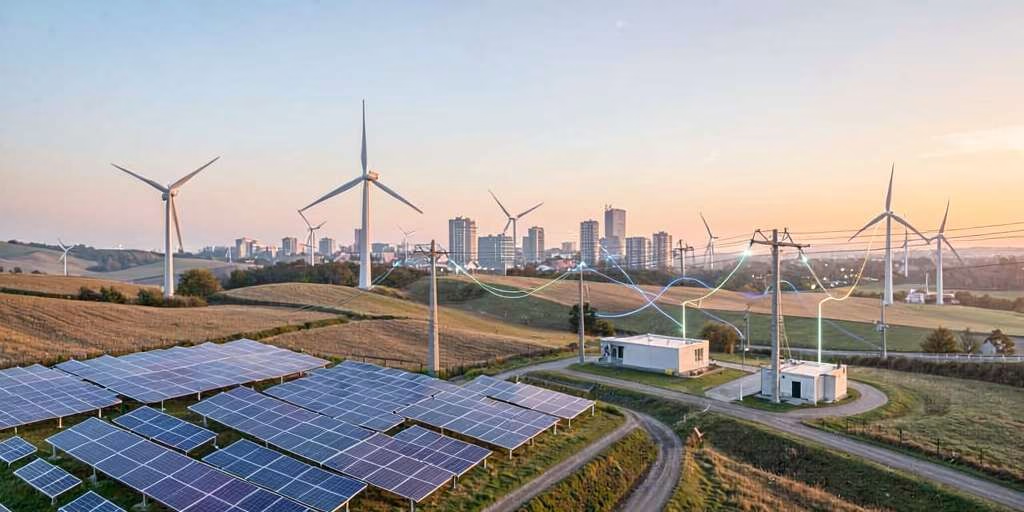
Smart Grid technology is transforming the energy landscape in Europe. It integrates advanced systems that enhance the efficiency and sustainability of electricity distribution.
The benefits of Smart Grids include reduced emissions, economic growth, and increased consumer engagement. This article examines key components, environmental impacts, and opportunities within the evolving energy market.
Evolution and Key Components of Smart Grids
The development of Smart Grids marks a significant advancement in the energy infrastructure of Europe. These modern systems facilitate a two-way flow of energy and information, enabling more efficient management of electrical resources. This evolution reflects the growing need for sustainable energy practices and enhanced consumer engagement in the energy sector.
At the core of Smart Grids are several key components that work together to optimize energy delivery:
- Smart Metering Systems: These devices allow for real-time monitoring of energy consumption, delivering precise data to both suppliers and consumers. The granularity of this data enables users to make informed decisions about their energy usage.
- Automation and Control Systems: Advanced technology automates the management of electricity distribution. This capability significantly reduces downtime by enabling quick responses to outages and disturbances in the network.
- Communication Networks: A robust communication framework is essential for maintaining the flow of information across the grid. These networks ensure seamless interaction between various components, contributing to overall efficiency.
- Integration of Renewable Energy Sources: Smart Grids are designed to incorporate various renewable energy sources, such as solar and wind power, into the existing infrastructure, ensuring that these variable energy supplies can be effectively managed.
- Cybersecurity Measures: As the grid becomes more interconnected, the importance of robust cybersecurity increases. Effective measures are crucial for protecting sensitive information and maintaining system integrity.
- Data Analytics and Management: The utilization of advanced software solutions helps process vast amounts of data gathered from the grid. Analytics plays a vital role in forecasting energy demand and enhancing operational efficiencies.
The transition toward Smart Grids not only enhances efficiency but also underpins efforts to meet the ambitious sustainability targets set by the European Union. As energy systems evolve, the integration of these components is paramount for achieving a modern, resilient, and sustainable energy landscape.
Environmental Benefits of Smart Grid Integration
Smart Grid integration plays a crucial role in promoting environmental sustainability within the energy sector. By allowing for better integration of renewable energy sources, these advanced networks significantly reduce greenhouse gas emissions. The shift towards cleaner energy production is empowering the transition towards a more sustainable future, ultimately mitigating climate change impacts.
One significant advantage of Smart Grids is their capacity to facilitate the use of decentralized energy generation. This enables consumers to produce their own energy through installations such as solar panels or wind turbines. Consequently, dependence on fossil fuels decreases, yielding benefits in environmental protection.
- Reduction of Carbon Footprint: The improved efficiency of energy distribution results in lower CO2 emissions, contributing to cleaner air and reduced environmental pollution.
- Enhanced Energy Efficiency: Smart Grids optimize energy use across various sectors, reducing wastage and ensuring that energy is consumed more judiciously.
- Support for Renewable Energy Integration: These networks can easily accommodate variable energy sources like wind and solar, expanding their contribution to the overall energy mix.
The capacity of Smart Grids to manage energy consumption patterns effectively is another noteworthy environmental benefit. Advanced monitoring technologies assist in real-time data analysis, allowing for demand response strategies that encourage users to consume energy during off-peak times. This flattening of demand peaks contributes to a more stable energy supply and reduces the need for additional, potentially harmful, power generation.
With a more robust infrastructure, Smart Grids enhance the reliability of energy supply, which is essential for encouraging further investment in renewable sources. As the grid becomes more resilient, the overall reliance on fossil fuels diminishes. Achieving a cleaner energy future hinges on how well these technologies can be implemented and supported.
Furthermore, Smart Grids promote sustainable practices within industries. Businesses can utilize energy more effectively, potentially leading to comprehensive sustainability audits that comply with EU regulations. By integrating advanced analytics and monitoring, they can track their energy use and pursue initiatives to reduce their environmental impact.
In summary, the integration of Smart Grid technology provides multiple environmental benefits that contribute to a sustainable energy ecosystem. By facilitating the transition to renewables, improving energy efficiency, and optimizing consumption patterns, these smart technologies serve as a foundation for achieving greater environmental sustainability across Europe.
Economic Impact and Market Opportunities
The transition to Smart Grid technology is reshaping the economic landscape across Europe. This modernization not only enhances efficiency and sustainability but also paves the way for significant market opportunities. An investment in Smart Grids is projected to generate substantial economic growth, primarily through enhanced infrastructure and job creation.
Investment in the energy sector is crucial. It is estimated that around €584 billion will be required for updating electrical infrastructure by 2030. This investment is not only essential for strengthening existing networks but also acts as a catalyst for job creation in various sectors, including construction, engineering, and renewable energy technologies.
- Creation of new job opportunities in engineering, specialized construction, and technology sectors.
- Boosting local economies through infrastructure projects and associated service demands.
- Attracting private investments in renewable energy sources and supporting technologies.
A revenue model driven by consumer participation is emerging. With Smart Grids, households are empowered to generate energy, for instance, through solar panels, and sell excess energy back to the grid. This not only improves consumer financial positions but also stimulates local economies as communities engage in energy trading.
Cost reductions are another crucial aspect. By automating processes and improving the management of energy resources, utility companies can significantly lower operational and maintenance costs. These savings can be reinvested into further development and expansion of smart technologies, fostering a cycle of continuous improvement.
- Enhanced efficiency leading to reduced operational expenses for utilities.
- Increased reliability of energy supply, minimizing disruption-related costs.
- Facilitating innovative business models that promote energy savings and sustainability.
Furthermore, the integration of innovative technologies within Smart Grids generates a surge of entrepreneurial activity. Emerging startups are developing innovative solutions tailored to optimize energy management, improve customer engagement, and enhance operational efficiency. This landscape of innovation does not only contribute to energy transition but also enriches the market with diverse offerings.
The adaptability of Smart Grid technology is also noteworthy. As regulatory frameworks evolve to support these advancements, opportunities can arise in new sectors such as electric mobility, energy storage solutions, and smart home technologies. The ongoing evolution towards a more sustainable and economically viable energy future presents a wealth of opportunities for businesses across Europe and beyond.
Enhancing Grid Resilience and Security
Improving the resilience and security of electrical grids is crucial in today's increasingly complex energy landscape. With a growing reliance on renewable energy sources and an increase in interconnectivity, the robustness of the grid must be prioritized. Smart Grid technology plays an essential role in creating infrastructures that can withstand various challenges.
One of the primary advantages of Smart Grids is their ability to quickly respond to disruptions. When a fault occurs in the system, advanced monitoring technologies can detect the issue and initiate immediate corrective actions. This rapid response capacity minimizes downtime and limits the impact on consumers and businesses alike.
The integration of automated management systems enhances the grid's capability to balance supply and demand effectively. By analyzing data from consumers and generation sources in real-time, the grid can adjust operations dynamically, preventing overload situations and reducing the risk of blackouts.
- Advanced monitoring systems enable precise detection of anomalies.
- Rapid fault detection and isolation reduce service interruption times.
- Distributed energy resources contribute to overall grid stability.
Cybersecurity is another critical aspect of enhancing grid security. As Smart Grids become more interconnected, they also become more vulnerable to cyber threats. Security measures must be robust and adaptive to counteract potential attacks. This necessitates a strong emphasis on developing standards and protocols to protect sensitive data and maintain operational integrity.
The evolution of encryption techniques and cybersecurity frameworks will help safeguard the grid from external threats. Additionally, training and awareness programs for personnel involved in grid management are essential to maintain security vigilance and incident response capabilities.
- Implementation of strong encryption methods for data protection.
- Regular system audits to identify vulnerabilities and reinforce security.
- Collaboration with cybersecurity experts to enhance threat detection strategies.
Another significant feature of Smart Grids is their flexibility and interoperability. By allowing various technologies and devices to communicate efficiently, grids can adapt to changing conditions without compromising security. This adaptability is essential for integrating a diverse array of energy sources.
Enhanced resilience also means considering the physical threats to infrastructure, such as extreme weather events. Smart Grids can incorporate predictive analytics to forecast potential impacts of natural disasters and involve pre-emptive measures. This not only ensures continued operation but also promotes a sustainable supply of energy during critical times.
Consumer Empowerment and Engagement
The advent of Smart Grid technology dramatically transforms how consumers interact with energy systems. This shift empowers individuals to take charge of their energy consumption while fostering a more sustainable environment. With the integration of advanced metering infrastructure, users can gain real-time insights into their electricity use, enabling them to make informed decisions that align with their financial and environmental goals.
Moreover, individuals are no longer passive consumers; they actively participate in the energy market. By generating their own power through renewable sources, such as solar panels, households can sell excess energy back to the grid. This not only enhances energy independence but also provides a financial incentive, making renewable energy systems more appealing.
- Access to real-time data allows consumers to monitor their energy usage, helping to identify patterns and make necessary alterations to reduce costs.
- Dynamic pricing systems enable users to take advantage of cheaper electricity rates during off-peak hours, effectively managing their consumption and saving money.
- Participation in energy communities fosters collaboration among users, where resources and benefits are shared, creating a sense of collective responsibility toward sustainability.
The educational aspect of Smart Grids also plays a crucial role in consumer engagement. As users become more informed about energy production, consumption, and costs, they are more likely to opt for energy-efficient solutions. Information campaigns and user-friendly interfaces simplify understanding complex energy dynamics, making it easier for individuals to integrate sustainable practices into their daily lives.
Furthermore, engaging consumers through incentives and rewards encourages energy-saving behaviors. Utilities can implement programs that recognize and reward those who use less energy or participate in peak-shaving initiatives. These reward systems not only promote energy efficiency but also enhance the community's resilience against energy shortages or outages.
As engagement levels rise, consumers increasingly advocate for policies that support renewable energy and sustainability initiatives. Active participation in public forums and consultations allows individuals to voice their opinions and influence energy policy development. This grassroots involvement is vital for shaping a more sustainable energy future in Europe.
Technological Innovation and Future Developments
The landscape of Smart Grid technology is continuously evolving, driven by advancements in digital tools and infrastructure. Innovations are not only enhancing the efficiency of energy distribution but are also paving the way for a more sustainable and resilient energy future in Europe.
At the core of these developments are several key technological trends:
- IoT Integration: The Internet of Things (IoT) is being increasingly integrated into Smart Grid systems. Sensors and smart devices collect vast amounts of data that can be analyzed to optimize energy management and consumption.
- Artificial Intelligence: AI is revolutionizing the way data is processed and utilized. Predictive analytics allows grid operators to forecast energy demand, adjust supply dynamically, and prevent outages through smart maintenance solutions.
- Energy Storage Solutions: As renewable energy sources like solar and wind power become more prevalent, effective energy storage systems are crucial. Advanced battery technologies are enabling better storage capabilities, ensuring stability and reliability within the grid.
- Blockchain Technology: This technology facilitates secure peer-to-peer energy trading among consumers. By utilizing blockchain, transactions can be verified and recorded transparently, thus promoting decentralized energy production.
Moreover, the future developments in Smart Grid technologies hinge on collaboration across various sectors. Utility companies, tech startups, and governmental bodies are expected to work together to innovate and implement efficient solutions. Partnerships can lead to a broader adoption of advanced technologies and enhanced performance across the grid.
Investment in research and development plays a critical role in driving these innovations. Greater funding can lead to breakthroughs in areas such as grid cybersecurity, which is essential for protecting the increasingly digital infrastructure from threats.
Furthermore, adapting regulatory frameworks to accommodate new technologies will be essential for their successful integration into the existing energy systems. Policymakers must ensure that guidelines are flexible enough to foster innovation while maintaining safety standards.
The convergence of these technological advancements not only holds the potential to revolutionize energy management but also aligns with the European Union's mandates for sustainability. This synergy is crucial as Europe aims for a diverse energy landscape that supports economic stability and environmental responsibility.
Regulatory Framework and Policy Support
The establishment of a strong regulatory framework is crucial for the successful implementation of Smart Grid technologies in Europe. This regulatory environment not only facilitates the integration of advanced energy solutions but also promotes sustainable practices across the energy sector.
Legislative measures are increasingly directed towards encouraging investments in Smart Grids while ensuring adherence to environmental standards. Key policies are focused on achieving the European Union's sustainability goals and addressing the challenges posed by climate change.
- **European Green Deal**: This ambitious initiative aims to make Europe the first climate-neutral continent by 2050, which reinforces the necessity for Smart Grid implementations supporting renewable energy sources.
- **REPowerEU Plan**: Following the energy crisis, this plan emphasizes the need for faster transitions to energy independence through modernization of energy infrastructures, including Smart Grids that enhance efficiency and reliability.
- **Regulations on Deforestation**: Compliance with EU laws concerning deforestation is essential for sectors relying on sustainable raw materials. Smart Grids play a role in traceability, ensuring that energy sources are certified and that supply chains are sustainable.
- **Incentives for Innovative Technologies**: Financial support and incentives are often provided to companies adopting Smart Grid technologies. This encourages innovation and ensures that businesses remain competitive while adhering to regulatory standards.
Furthermore, the role of public policy in shaping the energy landscape cannot be underestimated. Collaborative efforts between governments and energy companies create a roadmap for the sustainable integration of Smart Grids. Initiatives are put in place to foster public-private partnerships, aligning both sectors towards common sustainability and efficiency objectives.
Investments in infrastructure are also prioritized within this regulatory framework. Recognizing the importance of modernizing existing grids, policies encourage funding for projects that meet both current and future energy demands. Moreover, increased attention is given to cybersecurity measures, ensuring that Smart Grids are protected from potential threats.
As policies continue to evolve, ongoing assessments and adjustments are essential to accommodate technological advancements and changing market dynamics. Monitoring frameworks should be established to ensure regulatory compliance while fostering a stable environment for technological innovation in Smart Grids.
Leave a Reply