Sustainable Home Initiatives for a Greener Future
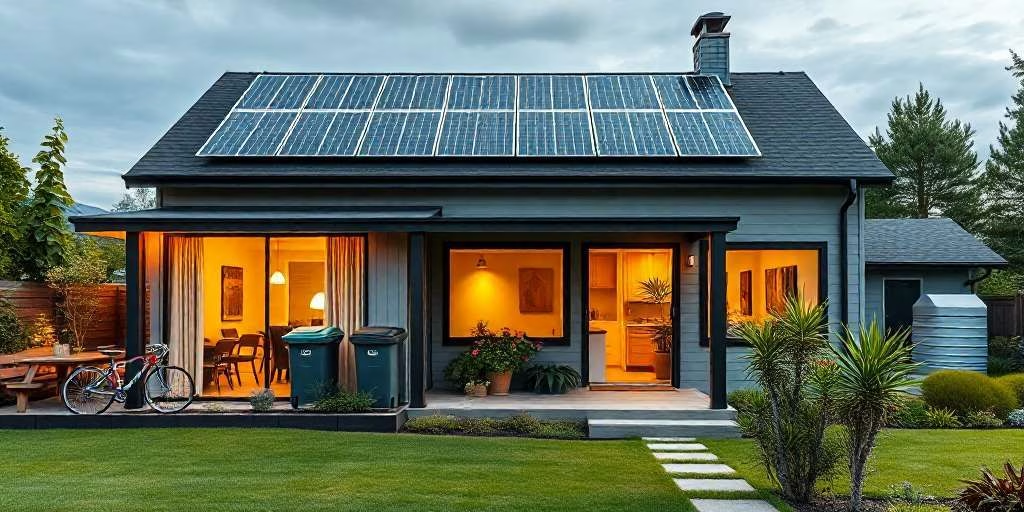
Sustainable home initiatives focus on creating environmentally friendly living spaces. These practices aim to reduce energy consumption, minimize waste, and use eco-friendly materials.
The importance of sustainable homes lies in their ability to lessen the environmental impact. Innovative designs and materials contribute to a more sustainable future for residential living.
- Understanding Sustainable Home Initiatives
- Innovations in Sustainable Building Design
- Materials for a Greener Home
- Energy Efficiency in Modern Homes
- Rainwater Harvesting and Water Management
- Enhancing Indoor Air Quality
- The Impact of Green Roofs
- Practicing Sustainability at Home
- Compliance with Environmental Regulations
Understanding Sustainable Home Initiatives
In recent years, the concept of sustainable home initiatives has gained significant attention. These practices embrace a holistic approach to creating living environments that are kind to both inhabitants and the planet.
The Importance of Sustainable Homes
Constructing homes with environmental considerations is no longer optional; it's a necessity. The significance of sustainable homes lies in their potential to:
- Reduce the ecological footprint of residential living.
- Enhance energy efficiency through innovative technologies.
- Promote health and well-being for occupants.
- Support local economies by utilizing regional materials.
Sustainable homes contribute positively to the fight against climate change. They encourage the use of renewable energy sources, reducing dependence on fossil fuels and minimizing greenhouse gas emissions. This collective effort not only benefits individual households but also has a substantial impact on the broader community and environment.
Key Principles of Sustainability in Homes
Several principles guide the development of sustainable homes, ensuring they meet the needs of today without compromising the ability of future generations to meet theirs. Key principles include:
- Resource Efficiency: Optimizing the use of materials and energy throughout the lifecycle of the home.
- Environmental Stewardship: Prioritizing the protection and enhancement of ecosystems.
- Health and Comfort: Fostering indoor environments that support physical and mental well-being.
- Community Engagement: Involving local communities in the design and construction processes to enrich social interactions.
These principles underscore the importance of integrating sustainability into all aspects of home design and construction. By adhering to them, sustainable homes can achieve a balance between functionality, aesthetics, and environmental responsibility.
Innovations in Sustainable Building Design
Recent advancements in sustainable building design are transforming the way homes are constructed. These innovative strategies emphasize environmental responsibility and energy efficiency, setting new standards for residential architecture.
Passive House Design Concepts
The concept of a Passive House focuses on creating buildings that maintain a comfortable indoor environment without relying on conventional heating or cooling systems. Essential features include:
- High-performance insulation that minimizes heat loss.
- Exceptional airtightness to prevent drafts and ensure steady temperatures.
- Triple-glazed windows that maximize solar gain while reducing energy costs.
This design concept promotes not only energy conservation but also enhances the quality of life within homes, making it a preferred choice for eco-conscious builders.
Nearly Zero Energy Buildings (NZEB)
Nearly Zero Energy Buildings represent another significant innovation. These structures are designed to produce as much energy as they consume over a year. Their key characteristics include:
- Integration of renewable energy sources, such as solar panels or wind turbines.
- High energy efficiency standards in construction materials and techniques.
- Smart home technologies for optimizing energy consumption patterns.
NZEBs not only minimize the carbon footprint but also promote energy independence, proving beneficial for both homeowners and the environment.
Incorporating Renewable Energy Sources
The shift towards renewable energy sources is vital in contemporary building practices. Solar photovoltaic systems, small wind generators, and geothermal heat pumps are increasingly common. The benefits of incorporating these technologies include:
- Reduction of dependency on fossil fuels and enhancing energy security.
- Long-term cost savings on energy bills through self-generated power.
- Promotion of resilience in homes during energy shortages or price fluctuations.
By incorporating renewable energy sources into building designs, homeowners can contribute to a more sustainable future while enjoying the benefits of innovative technologies.
Materials for a Greener Home
Utilizing sustainable materials is essential for creating homes that have a minimal environmental impact. By selecting eco-friendly options, homeowners contribute to a healthier planet while enjoying various practical benefits.
Eco-friendly Building Materials
The building materials used in construction greatly influence a home's overall sustainability. Eco-friendly materials, such as bamboo, recycled metal, and reclaimed wood, are excellent choices. Each of these options not only lowers environmental harm but also often enhances the aesthetics of a home.
- Bamboo: Fast-growing and renewable, bamboo offers a strong, durable option, ideal for flooring or cabinetry.
- Recycled Metal: This material is often sourced from other buildings, reducing waste while providing excellent durability.
- Reclaimed Wood: Salvaging wood from old structures prevents deforestation and adds character to new projects.
Benefits of Using Wood Fiber Insulation
Wood fiber insulation stands out as a highly effective material for thermal management. Manufactured from natural wood, this insulation option provides excellent thermal performance and is biodegradable at the end of its life cycle.
The advantages include:
- High thermal regulation, which helps maintain comfortable indoor temperatures regardless of external conditions.
- Sound-proofing capabilities, enhancing indoor acoustic comfort.
- A low environmental footprint, as it is created from renewable resources.
Advantages of Porcelain Tiles
Porcelain tiles are a favored choice for flooring and wall coverings in sustainable homes. Their durability is unmatched, making them last significantly longer than many other materials.
Some of the benefits of porcelain tiles include:
- Resistance to moisture and stains, which enhances cleanliness and reduces maintenance needs.
- Thermal conductivity, which can complement underfloor heating systems for increased energy efficiency.
- Availability in diverse designs, allowing homeowners to create stunning interiors while being environmentally conscious.
Energy Efficiency in Modern Homes
Incorporating energy-efficient solutions into modern homes is essential for reducing overall energy consumption. By focusing on thoughtful design and reliable materials, homeowners can achieve significant savings while contributing to environmental sustainability.
Improving Energy Efficiency through Design
Design plays a crucial role in enhancing energy efficiency within homes. Thoughtful architectural choices can minimize energy losses and enhance comfort.
- Orientation of the building to maximize natural light and heating from the sun.
- Utilization of thermal mass materials that store and release heat effectively.
- Incorporation of open floor plans to improve airflow and reduce the need for artificial lighting.
Efficient Windows and Doors
Installing high-performance windows and doors is vital for maintaining energy efficiency. Properly chosen, they not only enhance aesthetics but also play a critical role in reducing heat loss and gain.
- Triple-glazed windows provide superior insulation compared to single or double glazing.
- Low-E coatings on glass reflect heat back indoors, improving thermal performance.
- Energy-efficient doors minimize drafts and help maintain indoor temperatures effectively.
The Role of Solar Panels
Solar panels are a popular and effective method to boost energy efficiency in modern homes. They harness renewable energy from the sun, significantly lowering dependency on conventional power sources.
- Photovoltaic systems convert sunlight directly into electricity, reducing overall energy costs.
- Integration with home energy management systems enables optimal usage of solar energy generated.
- Government incentives and subsidies encourage homeowners to invest in solar technology.
Rainwater Harvesting and Water Management
Implementing effective water management systems is crucial for minimizing resource consumption and enhancing sustainability within homes. Rainwater harvesting is an innovative approach that contributes significantly to this objective.
Implementing Rainwater Harvesting Systems
Rainwater harvesting involves collecting and storing rainwater for later use. This process can significantly reduce reliance on municipal water supplies and helps in managing stormwater runoff. Various methods can be employed for effective rainwater collection, including:
- Roof catchment systems that collect water from the rooftops.
- Storage tanks or cisterns designed to hold large amounts of harvested water.
- Filtration systems to ensure the water is clean and safe for specific uses.
By utilizing these techniques, households can harness a natural resource, leading to both environmental benefits and cost savings over time.
Dual Flush Toilets and Low-Water Fixtures
Integrating water-efficient fixtures is paramount for reducing overall water usage. Dual flush toilets provide an effective solution, allowing the user to select between two flushing volumes, thus conserving water. Low-water fixtures, such as faucets and showerheads, can also drastically reduce water consumption without compromising performance. Common features include:
- Flow restrictors that limit the rate at which water is used.
- Smart sensor technologies that control water flow based on user presence.
- Innovative designs that enhance usability while conserving resources.
These advancements contribute positively to sustainable living by minimizing waste.
Reducing Water Consumption
Effective water management goes beyond rainwater harvesting and efficient fixtures. Behavioral changes play a vital role in reducing consumption. Some strategies include:
- Utilizing greywater systems to recycle water from sinks and showers for irrigation.
- Implementing drip irrigation for gardens to minimize evaporation and runoff.
- Monitoring water usage through smart meters to identify and address excessive consumption.
These practices not only help in conserving water but also foster a greater awareness of resource management in daily life.
Enhancing Indoor Air Quality
Improving indoor air quality is essential for creating a healthy and comfortable living environment. Various methods and materials can significantly enhance air quality, reducing harmful pollutants and promoting a better atmosphere.
Low VOC Materials and Their Benefits
Choosing materials that have low volatile organic compounds (VOCs) is crucial for maintaining good air quality within homes. These materials emit fewer harmful chemicals, which can otherwise contribute to health issues such as headaches, respiratory problems, and allergic reactions.
- The benefits of using low VOC paints, adhesives, and sealants offer a safer environment for residents.
- Natural wood and bamboo products are often great alternatives as they typically contain lower VOC levels compared to synthetic options.
- Carpets and flooring options made from natural fibers, such as wool or cotton, also help in minimizing air pollutants.
Natural Ventilation Systems
Natural ventilation systems are designed to improve indoor air circulation without relying on mechanical systems. These systems utilize the movement of outdoor air to refresh indoor spaces effectively.
- Utilizing strategically placed windows and vents allows for cross-ventilation, enabling fresh air to flow through the home.
- Architectural designs that incorporate open layouts also facilitate the movement of air, improving overall air quality.
- Incorporating skylights can help bring in both natural light and fresh air, supporting a healthier indoor environment.
Monitoring Indoor Air Quality
Regularly monitoring indoor air quality is essential to ensure the living environment remains safe and healthy. Different methods are employed to keep track of air quality parameters effectively.
- Using air quality monitors can provide real-time readings of pollutants and humidity levels, assisting homeowners in taking necessary actions when needed.
- Establishing a routine check of air filters in heating and cooling systems ensures they are functioning properly and not contributing to air quality deterioration.
- Engaging with professional services for comprehensive air quality assessments can help homeowners understand and improve their indoor atmosphere.
The Impact of Green Roofs
Green roofs have become an innovative solution in modern architecture, especially in urban environments. They not only provide aesthetic benefits but also contribute significantly to a sustainable ecosystem.
Benefits of Green Roofs for Urban Areas
Urban regions are often characterized by limited green spaces. Green roofs offer a variety of benefits in these settings:
- Increasing Biodiversity: Green roofs create habitats for various species, promoting a diverse urban ecosystem.
- Reducing Urban Heat Island Effect: By absorbing sunlight and providing shade, green roofs can lower surrounding temperatures.
- Improving Stormwater Management: These roofs can absorb rainwater, reducing runoff and the risk of flooding.
Environmental and Energy Benefits
The integration of green roofs into urban infrastructure offers several environmental advantages. These include:
- Insulation Properties: Green roofs provide natural insulation, thereby reducing energy consumption for heating and cooling.
- Air Quality Improvement: Plant life can filter pollutants and carbon dioxide from the air, enhancing overall air quality.
- Noise Reduction: The layers of vegetation and soil act as sound barriers, contributing to a quieter urban environment.
Installation and Maintenance
Implementing green roofs requires careful planning and execution. Key considerations include:
- Structural Integrity: Buildings must be assessed for their ability to support the added weight of a green roof.
- Plant Selection: Choosing the right types of plants is crucial for the success of a green roof, focusing on those that are drought-resistant and adaptable to local climate conditions.
- Regular Maintenance: Routine checks and care need to be performed to ensure the health of the vegetation and the effectiveness of the drainage system.
Practicing Sustainability at Home
Embracing sustainable practices within one's home is essential for reducing environmental impact. Simple changes can contribute significantly to a greener lifestyle.
Reducing Waste and Recycling
A crucial step towards sustainability involves minimizing waste production. Households can implement effective waste reduction strategies, such as:
- Utilizing reusable shopping bags to avoid single-use plastic.
- Composting organic waste to enrich soil and reduce landfill burden.
- Separating recyclable materials like paper, glass, and plastics to ensure proper recycling processes.
- Opting for products with minimal packaging to decrease overall waste generated.
Adopting these practices not only conserves resources but also fosters a culture of environmental responsibility.
Creating an Eco-friendly Garden
An eco-friendly garden emphasizes biodiversity and sustainable landscaping techniques. Consider organizing a green space that incorporates:
- Native plants, which require less water and support local wildlife.
- Rain gardens to manage stormwater runoff and promote water conservation.
- Organic gardening practices that eliminate the need for chemical pesticides and fertilizers.
- Composting bins to recycle garden waste and kitchen scraps.
Such gardens not only enhance the aesthetic appeal of a home but also contribute to the ecosystem's health.
Homemade Cleaning Products
Creating cleaning products at home can significantly reduce plastic waste and the use of harsh chemicals. Common ingredients for homemade cleaners include:
- White vinegar, effective for removing odors and disinfecting surfaces.
- Baking soda, a natural abrasive that cleans and deodorizes.
- Essential oils, providing natural fragrances and additional antibacterial properties.
Using these simple ingredients leads to a healthier indoor environment and diminishes reliance on commercial products.
Compliance with Environmental Regulations
Adhering to environmental regulations plays a crucial role in promoting sustainable practices in home construction and renovation. Compliance ensures that homes not only meet current legislative requirements but also contribute to broader ecological goals.
Understanding EU Deforestation Laws
Recent legislative developments in the European Union focus on combating deforestation, aiming to protect forests while ensuring sustainable land use. Understanding these laws is essential for anyone involved in construction or agriculture. These regulations specifically address:
- The prohibition of importing products associated with deforestation.
- Requirements for businesses to show traceability of their products to ensure they are deforestation-free.
- The need for sustainability assessments that evaluate the environmental impact of activities contributing to deforestation.
Certification and Sustainability Standards
Certification under recognized sustainability standards is vital for demonstrating compliance with environmental regulations. Various certifications include:
- ISO 14001: An international standard for effective environmental management systems.
- BREEAM: Focuses on assessing the sustainability performance of buildings across various stages of a project.
- LEED: A widely used green building certification that promotes sustainable construction practices.
Obtaining these certifications not only guarantees compliance but also enhances marketability and increases the value of properties.
Tools for Traceability and Compliance
Technological advancements have led to the development of tools that facilitate traceability and compliance with environmental regulations. Key technologies include:
- Traceability software: This helps businesses track the origins of materials, ensuring they meet sustainability criteria.
- Data management systems: These systems streamline the documentation required for compliance, making it easier to demonstrate adherence to laws.
- Monitoring tools: Sensors and IoT devices can monitor environmental impacts in real time, allowing for quick adjustments to practices.
The implementation of these tools promotes transparency and reinforces commitment to eco-friendly initiatives in construction and home management.
Leave a Reply