Understanding Sustainability performance metrics in smart farming innovations
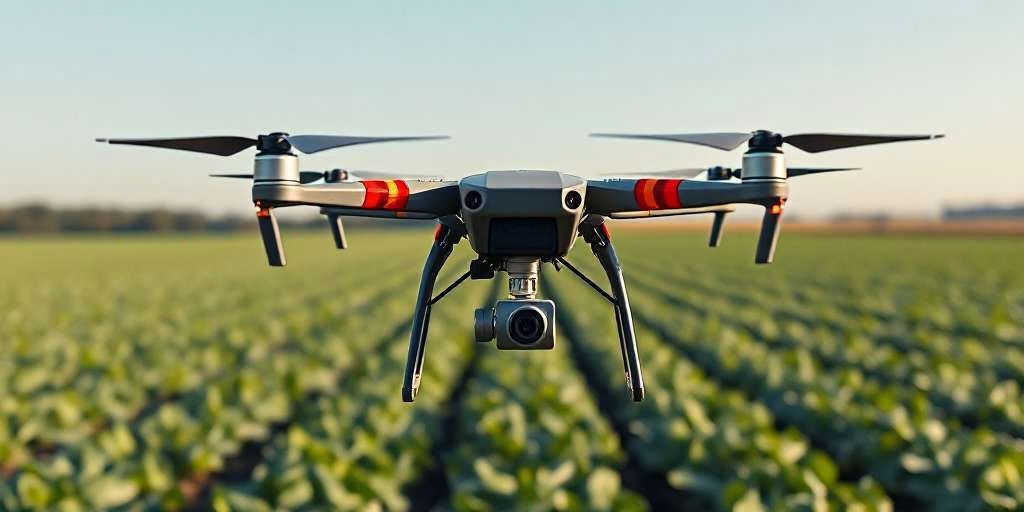
Smart farming innovations are transforming agriculture by utilizing advanced technologies. These innovations enhance productivity and sustainability while addressing challenges such as climate change and resource management.
The integration of precision farming, artificial intelligence, and automation enables farmers to optimize their operations. These advancements contribute to efficient farming practices and support compliance with EU regulations.
Smart Farming Technologies
Innovative technologies are transforming the agricultural landscape. Through various data-driven strategies, these advancements allow farmers to optimize their practices for better efficiency and sustainability.
Precision Farming and Data-Driven Strategies
This approach utilizes precise measurement and management of variabilities in fields. It relies heavily on technological tools for enhanced decision-making.
Sensors and IoT in Agriculture
Sensors play a crucial role in smart farming by collecting real-time data on soil conditions, moisture levels, and crop health. The Internet of Things (IoT) connects these sensors, enabling seamless data transmission.
Farm Management Software Solutions
Advanced software solutions integrate data from multiple sources, providing farmers with clear insights and analytics. These platforms assist in tracking performance metrics and optimizing resources effectively.
Artificial Intelligence and Machine Learning
The incorporation of AI and machine learning algorithms greatly enhances predictive capabilities in agriculture. By analyzing patterns, these technologies facilitate informed decision-making.
Applications in Crop Management
AI can identify pest infestations, disease outbreaks, and optimal harvest times by processing vast amounts of data. This proactive approach helps in maintaining crop health and maximizing yield.
Predictive Analytics for Yield Optimization
Machine learning models can predict crop yields based on historical data and environmental factors. These insights empower farmers to make adjustments that lead to better productivity outcomes.
Automation and Robotics
Automation is reshaping traditional farming operations with the advent of robotics. This technology allows for increased precision and efficiency across various tasks on the farm.
Autonomous Agricultural Machinery
Autonomous tractors and harvesters are making operations smoother. These vehicles can perform tasks like planting, weeding, and harvesting without human intervention, reducing labor costs and improving productivity.
Automated Farming Processes
Automated systems streamline processes such as irrigation and fertilization. By using timers and sensors, these systems apply resources precisely when and where they are needed, enhancing efficiency and reducing waste.
Challenges in Smart Farming
Implementing smart farming practices comes with significant challenges that must be navigated for successful adoption. Key issues include data management, skills development, and financial investments.
Data Management and Security
Effective data management is critical for leveraging the benefits of smart farming technologies. Farmers face numerous hurdles regarding data security and protection.
Ensuring Data Protection
With the rise of interconnected devices and sensors, protecting sensitive data becomes a priority. Farmers must implement robust cybersecurity measures to safeguard proprietary information from breaches and unauthorized access.
Overcoming Privacy Concerns
Concerns around privacy frequently arise when dealing with data collection and usage in agriculture. Addressing these concerns involves transparent data governance policies that clarify how data is collected, shared, and utilized, thus building trust among stakeholders.
Skills and Training Requirements
The transition to smart farming demands a skilled workforce adept at using advanced technologies. A gap in skills among traditional farmers poses a challenge for widespread adoption.
Bridging the Knowledge Gap
Many farmers possess strong agricultural expertise but may lack familiarity with digital tools and data analytics. Filling this gap requires targeted educational initiatives to build competency in smart farming technologies.
Training Programs and Support
Offering specialized training programs is essential for empowering farmers to adopt new technologies. Support from agricultural extension services and with academic institutions can enhance knowledge and facilitate smoother transitions to digital farming practices.
Financial Investments
Financial concerns represent a significant barrier to implementing smart farming innovations. Farmers need to consider both the initial costs and long-term financial sustainability of their investments.
Cost of Adoption
The upfront costs associated with acquiring sensors, software, and machinery can be substantial. Farmers must assess their financial capabilities carefully and consider potential returns on investment when deciding on adopting smart farming solutions.
Funding Opportunities
Various funding options exist to support farmers in transitioning to smart farming. Government grants, private investments, and co-operatives can provide the necessary capital to offset initial costs and promote wider adoption of innovative technologies.
Environmental and Regulatory Aspects
The interplay between environmental considerations and regulatory frameworks is vital for the advancement of sustainable practices in agriculture. Understanding these aspects enables farmers to adapt effectively to the changing landscape of agricultural regulations and environmental mandates.
Sustainability in Smart Farming
This sector emphasizes sustainable practices aimed at minimizing environmental footprints. The applications of smart technologies contribute significantly to this goal.
Reducing Environmental Impact
Innovative farming techniques are designed to decrease greenhouse gas emissions and conserve biodiversity. Techniques such as cover cropping, precision nutrient management, and integrated pest management are pivotal in achieving these aims. By leveraging data and technology, farmers can:
- Monitor and manage inputs more efficiently.
- Implement targeted interventions that reduce chemical usage.
- Enhance soil health and reduce erosion.
Efficient Use of Resources
Effective resource utilization is crucial for sustainability. Smart farming incorporates advanced technologies to optimize water and fertilizer use. This not only enhances crop yields but also conserves vital resources. Key strategies include:
- Utilizing precision irrigation systems that deliver water exactly when needed.
- Employing variable rate fertilization to apply nutrients based on crop needs.
- Adopting renewable energy sources to power operations and reduce dependency on fossil fuels.
EU Regulations and Compliance
European Union policies play an essential role in guiding sustainable agricultural practices. Compliance with these regulations ensures that farmers contribute positively to environmental conservation efforts.
Deforestation Law Compliance
The EU's deforestation regulations mandate that agricultural practices do not contribute to deforestation elsewhere. Farmers are required to demonstrate that their operations are sustainable and do not lead to the loss of forested areas both locally and globally. This fosters a commitment to conservation.
Certification Processes and Standards
To align with EU regulations, farmers often pursue various sustainability certifications. These certifications validate the commitment to environmentally friendly practices and may include:
- Organic certification, ensuring the absence of synthetic chemicals.
- Fair Trade certification, promoting ethical practices and fair remuneration conditions.
- GlobalG.A.P certification focused on good agricultural practices.
Such certifications not only enhance marketability but also align agricultural practices with broader environmental goals.
Smart Farming Case Studies
Real-world applications of smart farming are driving transformative changes in agricultural practices. These case studies highlight innovative strategies that lead to increased productivity and enhanced sustainability.
Innovative Applications of Smart Farming
German Farms Leading the Way
In Germany, several farms are pioneering the adoption of smart technologies. One notable example is a large-scale dairy farm in Bavaria, where precision farming techniques are utilized to monitor animal health and optimize feed efficiency. By employing IoT devices and data analytics, they have successfully improved milk production by 15% while reducing costs associated with feed.
International Success Stories
Globally, various agricultural enterprises are implementing smart farming solutions. A vineyard in California has embraced drone technology for aerial monitoring, significantly enhancing crop management. This approach not only facilitates early detection of pests but also allows for precise irrigation strategies, leading to a 20% increase in grape yield.
Technology-Driven Improvements
Enhancing Crop Yields
Innovative practices in crop yield enhancement are evident across different regions. In Spain, a cooperative of tomato growers applies predictive analytics to assess the optimal moment for harvesting. This technology minimizes waste and maximizes quality, resulting in higher market prices and a 30% boost in profits.
Optimizing Resource Management
Effective resource management is crucial for sustainable farming. A rice farm in Japan exemplifies this by integrating sensor technology for water management. By precisely controlling irrigation through real-time soil moisture data, the farm reduced water usage by 40%. This sustainable practice not only conserves water but also contributes to lower operating costs.
Leave a Reply