Agricultural Technology Advancements: Improving Efficiency in German Farming
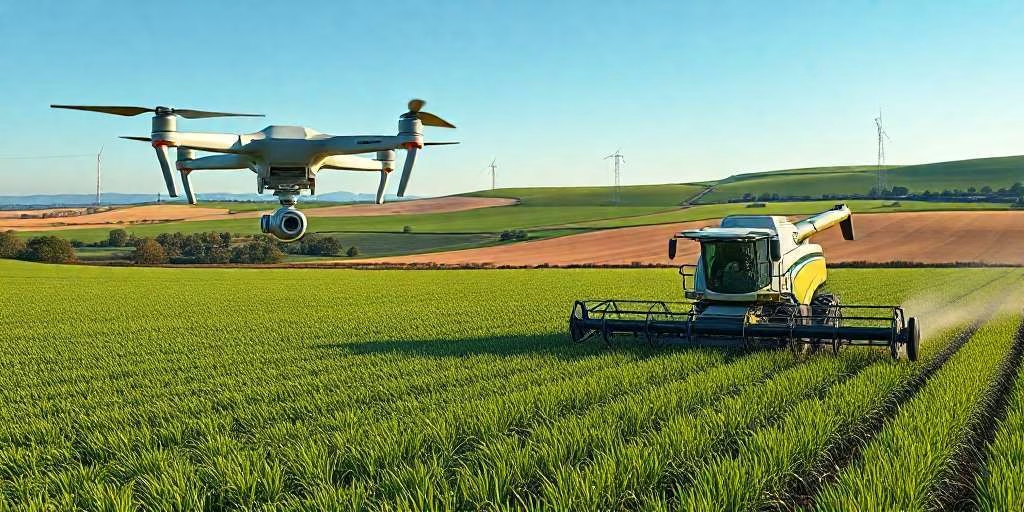
Agricultural technology advancements have significantly transformed the farming sector. The integration of modern tools and techniques has increased efficiency and sustainability in agricultural practices.
Key innovations, such as GPS technology and artificial intelligence, play an essential role in optimizing farm management. These advancements address the growing needs of food production while promoting environmentally responsible methods.
Evolution of Agricultural Technology
The evolution of agricultural technology reflects a significant shift in farming practices. The journey from traditional methods to modern advanced systems has created new opportunities for efficiency, productivity, and sustainability in agriculture.
From Traditional to Advanced Systems
Historically, agriculture relied heavily on manual labor and simple tools. Farmers depended on methods that had been passed down through generations, such as crop rotation and the use of animal power. While these practices were effective for their time, they often limited overall productivity.
The introduction of mechanization in the 19th century marked a turning point. With the advent of machinery, tasks that once required considerable effort became much more manageable. Tractors and industrial harvesters dramatically transformed the landscape of farming, allowing for larger areas to be cultivated in less time.
In recent decades, the rise of digital technologies has further revolutionized agriculture. Advanced systems involving data analytics, sensors, and GPS have emerged, enabling precision farming. This new approach allows farmers to make data-driven decisions that enhance efficiency and environmental stewardship.
Impact on Farm Management
The implementation of advanced agricultural technologies has had a profound effect on farm management strategies. Farmers can now manage their operations more effectively by utilizing a range of high-tech tools.
- Real-time monitoring of crop health and environmental conditions through sensors and drones.
- Automated irrigation systems that optimize water usage based on soil moisture levels.
- Disease and pest prediction models that aid in timely interventions.
These innovations lead to better crop yields and reduced input costs. Consequently, farmers achieve higher efficiency while minimizing waste and environmental impact.
Technological Milestones in Precision Agriculture
Several key milestones mark the progress in precision agriculture, highlighting the significant technological advancements that have shaped the field.
- GPS Technology: Satellite positioning systems have become indispensable in agriculture. Farmers use GPS for mapping fields and guiding machinery, ensuring precise operations.
- Remote Sensing: Satellite imagery and aerial drones provide comprehensive data on crop health, soil conditions, and weather patterns. This information is crucial for making informed decisions.
- Data Analytics: The use of big data analytics allows for deeper insights into farming practices. Farmers can analyze trends over time and refine their strategies accordingly.
- Automation: Robotics and autonomous machinery, such as robotic harvesters, have begun to replace manual labor in many aspects of farming. This trend is set to increase as technology continues to evolve.
These milestones exemplify the trajectory of agricultural technology, illustrating how innovations continue to push the boundaries of what is possible in farming. As the industry faces challenges such as climatic changes and population growth, these advancements will play a crucial role in shaping the future of agriculture.
Key Agricultural Technologies
Technological innovations are playing a pivotal role in modern agriculture. Various systems and tools are improving efficiency, crop management, and sustainability in farming practices.
GPS Technology in Modern Farming
Global Positioning System (GPS) technology has become an integral component of contemporary agricultural practices. It aids in precision farming, enhancing the way farmers manage their fields and resources.
Applications in Field Management
The implementation of GPS technology allows farmers to keep track of their equipment and inputs with remarkable accuracy. Key applications include:
- Field mapping, which helps in planning the layout of crops for optimal growth.
- Guidance systems for tractors and other machinery that reduce overlap and improve efficiency.
- Variable Rate Technology (VRT) that enables the application of fertilizers and pesticides at precise rates based on specific field conditions.
Benefits for Crop Productivity
Utilizing GPS technology enhances productivity significantly. Farmers can maximize yields through precise monitoring and management of crop health. Some benefits are:
- Improved resource management leads to cost savings.
- Enhanced accuracy in planting and harvesting processes.
- Data collection that informs future planting strategies and crop rotations.
Integration of Artificial Intelligence
Artificial Intelligence (AI) is revolutionizing modern agriculture by enabling data-driven decision-making and automation. This integration supports farmers in enhancing overall farm operations.
AI in Monitoring and Decision-Making
AI applications in agriculture provide farmers with powerful tools for monitoring their farms. This includes:
- Predictive analytics that forecast crop yields based on historical data and environmental conditions.
- Real-time monitoring of crop health using image recognition software.
- Automated systems that help manage irrigation based on soil moisture levels, which reduces water waste.
Enhancing Agricultural Operations
Artificial intelligence also optimizes operations. By streamlining processes, AI contributes to efficiency gains across several areas:
- Supply chain optimization, ensuring that produce moves from farm to market efficiently.
- Automated machinery that reduces labor costs and boosts productivity during peak seasons.
- Machine learning algorithms that continually improve operational strategies based on data analysis.
Use of Sensors and Devices
The use of advanced sensors and devices is instrumental in modern farming. They enhance the capability to track various environmental conditions affecting crop health.
Tracking Environmental Impact
Sensors provide farmers with critical data about their fields, leading to informed decisions that positively affect crop yields and sustainability. Essential functionalities include:
- Soil moisture sensors that inform when irrigation is needed.
- Weather stations that collect data on local climate conditions, assisting in planning and risk management.
- Air quality sensors that monitor factors such as pesticides and pollutants that may affect crop health.
Innovations in Farming Practices
New sensor technologies are shaping contemporary agricultural practices. Innovations include:
- Drones equipped with sensors for aerial monitoring of crop conditions, allowing for immediate response to issues.
- Automated systems that use sensor data for optimizing fertilizer usage based on real-time soil data.
- IoT devices that integrate with farm management systems for seamless data flow and management.
Sustainable Agriculture and Resources
Sustainable agriculture plays a crucial role in ensuring that farming practices can meet the needs of the present without compromising future generations. The management of natural resources is a key focus within this framework, leading to more efficient use and reduced environmental impact.
Management of Natural Resources
The effective management of natural resources is fundamental for sustainable agriculture. Practicing responsible resource management can significantly enhance productivity while preserving the environment. By focusing on efficient use, farmers can contribute to ecological balance.
Water Waste and Efficiency
Water is a vital resource in agriculture, yet its waste remains a serious concern. The implementation of smart irrigation systems and new technologies can substantially reduce water waste and enhance efficiency. Techniques such as drip irrigation enable precise water usage, delivering moisture directly to the plant roots, minimizing evaporation, and runoff. This method not only conserves water but also helps maintain optimal soil moisture levels.
Collecting data through sensors helps monitor soil and atmospheric conditions. Such technologies allow farmers to irrigate based on actual crop needs rather than a fixed schedule. The adoption of rainwater harvesting systems is also gaining traction, helping to ensure that water is utilized efficiently and sustainably.
Fertilizers and Pesticides Management
The application of fertilizers and pesticides in agriculture must be managed judiciously to prevent environmental degradation. Techniques have evolved dramatically, moving towards a more precise approach that aligns application rates with crop requirements. Many farmers are now utilizing precision agriculture technologies to analyze soil conditions and tailor their input accordingly.
Implementing integrated pest management (IPM) solutions is another effective strategy. IPM focuses on understanding pest life cycles and employing biological controls alongside chemical methods, reducing reliance on synthetic pesticides. This multi-faceted approach not only enhances crop yields but also mitigates harmful environmental impacts.
Sustainable Farming Practices
Innovative sustainable farming practices are emerging as essential components of the agricultural landscape. These approaches help in conserving ecosystems while improving food production efficiency. Incorporating sustainability into farming requires a shift in practices that prioritize ecological balance.
Reducing Environmental Impact
The commitment to reducing environmental impact can be realized through various farming practices. Techniques such as cover cropping and crop rotation can enhance soil health and biodiversity. Cover crops prevent soil erosion and enhance nutrient cycling, while crop rotation disrupts pest and disease cycles, reducing the need for chemical interventions.
Moreover, practices that improve soil organic matter, like no-till farming, help to sequester carbon and improve soil structure. Utilizing agroecological approaches further contributes to resilience against climate change while promoting agricultural productivity.
Advances in Agricultural Technology
Continuous advancements in agricultural technology are paving the way for more sustainable practices. The integration of data analytics, remote sensing, and automation enables farmers to make informed decisions that align with sustainability goals. This data-driven approach enhances overall farm efficiency and productivity.
Emerging technologies, such as biopesticides and biofertilizers, contribute positively to sustainable agriculture. These innovations are derived from natural sources and help in enhancing soil fertility without the detrimental effects associated with chemical inputs. Furthermore, advancements in breeding technologies are leading to the development of crop varieties that are more resilient to climate variations, pest pressures, and diseases.
Data and Information Systems
Innovation in data and information systems plays a pivotal role in modern agriculture. These systems facilitate better decision-making processes and enhance overall farm management.
Role of Big Data in Agriculture
The influence of big data in farming has become increasingly significant. By harnessing large datasets, farmers can make informed decisions that positively impact yield and productivity.
Data-Driven Decisions in Farming
Data analytics enables producers to analyze trends, monitor crop conditions, and predict future outcomes. Through comprehensive data analysis, agricultural professionals can identify optimal planting times, irrigation needs, and pest management strategies.
Utilizing data-driven methods, farmers are empowered to:
- Optimize crop rotation plans based on historical yield data.
- Adjust resource allocation to areas that demonstrate higher productivity potential.
- Minimize waste by applying just the right amount of fertilizers and pesticides.
Information Access and Research Projects
Access to information is crucial for agricultural progress. Various research initiatives focus on developing advanced methodologies and sharing insights with farmers. These projects aim to create platforms where knowledge can be exchanged freely.
Many institutions collaborate to:
- Conduct field trials that analyze the effectiveness of new technologies.
- Provide databases that include diverse datasets on soil health, crop performance, and environmental conditions.
- Publish findings that guide practical applications, enhancing farming techniques across regions.
Software for Farm Management
The adoption of specialized software has revolutionized how farms operate. These powerful tools streamline various operations, making it easier for farmers to manage their businesses effectively.
Optimizing Production Processes
Farm management software aids in planning and executing agricultural processes. These systems offer functionalities such as inventory management, field mapping, and production tracking.
Key advantages of using farm management software include:
- Enhancing crop planning by integrating field data and market trends.
- Facilitating real-time monitoring of operations to ensure timely interventions.
- Automating routine tasks, which frees up time for farmers to focus on strategic decisions.
Improving Resource Management
Effective resource management is essential for sustainable agriculture. Technology enables farmers to monitor resource usage closely, thereby reducing costs and environmental impact.
Farm management software supports efforts to:
- Track water consumption and optimize irrigation schedules, promoting water conservation.
- Manage fertilizer and pesticide application rates to minimize environmental harm.
- Model economic scenarios that assist in budget adjustments and financial planning.
Challenges and Future Prospects
The landscape of agricultural technology is continuously evolving, presenting both opportunities and challenges. As innovations emerge, the agricultural sector must navigate various barriers to fully harness these advancements.
Current Barriers to Technology Adoption
Cost and Accessibility Issues
One of the primary challenges facing farmers is the high cost associated with adopting new technologies. Initial investments in advanced machinery, software, and training can discourage small-scale farmers, particularly in rural areas. Additionally, access to these technologies is often limited in less developed regions. Financial models such as leasing or shared purchasing options may help alleviate some of the burden, but widespread adoption remains a significant hurdle.
Bridging the Education Gap
Knowledge and training play crucial roles in the successful integration of innovative technologies. Many farmers lack familiarity with modern tools and methodologies, resulting in underutilization or misapplication of these advancements. Educational programs tailored to different experience levels are essential for enhancing skills. Collaborative efforts among agricultural extension services, educational institutions, and technology providers can create a more knowledgeable workforce.
Future Outlook and Innovations
Emerging Technologies and Research
Looking ahead, several emerging technologies hold promise for revolutionizing agricultural practices. Research and development initiatives are focusing on areas such as precision agriculture, biotechnology, and robotics. These advancements aim to optimize efficiency, enhance crop resilience, and minimize resource use. Innovations in data analytics and machine learning are also providing unprecedented insights, allowing farmers to make more informed decisions regarding crop management.
Sustainability and Compliance Factors
With increasing pressure to adopt sustainable practices, future innovations must align with environmental compliance standards. Farmers will need solutions that not only enhance productivity but also reduce their ecological footprints. The integration of digital platforms for monitoring and reporting on sustainability metrics is a growing trend. Such tools can assist in tracking resource usage and emissions, ensuring adherence to regulations while promoting best practices in sustainability.
As agricultural technologies continue to advance, the balance between profitability and ecological responsibility will be essential. Investments in infrastructure, alongside supportive policies, aim to bridge existing gaps. A collaborative approach among stakeholders, including governmental bodies, research institutions, and the agricultural community, can facilitate a smoother transition into a more technologically advanced and sustainable agricultural future.
Leave a Reply