Energy efficiency EU buildings: Strategies for Sustainable Renovation
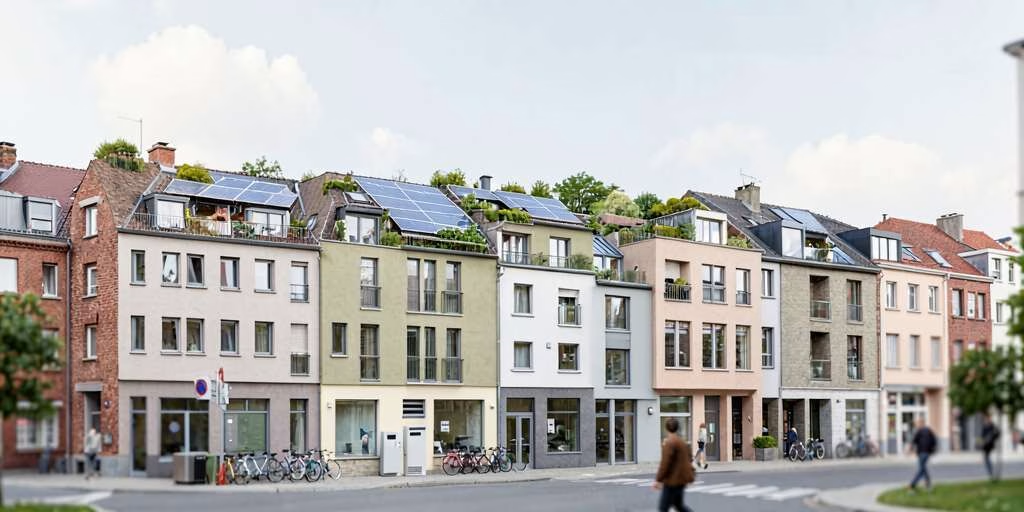
Energy efficiency in EU buildings is a crucial aspect of the European Union's environmental goals. The focus on improving building performance aims to reduce energy consumption and greenhouse gas emissions.
This article outlines the key policies, regulations, and strategies that drive energy efficiency within the EU's building sector. It will also explore the challenges and opportunities associated with achieving a sustainable and energy-efficient building stock.
- EU Energy Efficiency Policies for Buildings
- Energy Performance and Building Stock Transformation
- Financial Mechanisms and Market Competitiveness
- Social Dimensions and Equality in Energy Renovation
- Technological Innovations and Digitalisation
- Climate Impact and Sustainability Goals
- Reporting, Publications, and Sector Events
EU Energy Efficiency Policies for Buildings
Comprehensive policies have been established within the European Union to enhance energy efficiency in buildings, forming a critical component of the EU's sustainability agenda.
Overview of the EPBD Directive
The Energy Performance of Buildings Directive (EPBD) is a cornerstone of EU legislation aimed at improving energy efficiency in buildings. This directive mandates member states to set minimum energy performance standards. The latest revision emphasizes the necessity for existing buildings to undergo substantial renovations to meet energy efficiency targets.
National Building Renovation Plans
Each EU country is required to develop its National Building Renovation Plan. This plan outlines a strategic framework to decarbonize the building stock effectively. It should include financial incentives, timelines for renovations, and training programs to enhance the workforce's skills in energy-efficient technologies.
Legal Framework and Compliance Requirements
A robust legal framework is integral to ensuring compliance with energy efficiency standards. Member states are obligated to enforce regulations that align with the EPBD, ensuring that all buildings meet established energy performance criteria. This legal structure aims to foster consistency across the EU while allowing flexibility for each country to tailor its approach.
Energy Performance Standards for New and Existing Buildings
- New buildings must adhere to strict energy performance standards that promote low-energy construction methods.
- Existing buildings are targeted for renovation, requiring a minimum improvement rate to enhance their energy efficiency.
- Standards provide pathways for retrofitting older buildings, ensuring they can meet contemporary energy requirements.
Energy Performance and Building Stock Transformation
The transformation of building stock through enhanced energy performance is essential for achieving the EU's climate goals. This section explores key energy efficiency indicators, renovation phases, and the challenges encountered in decarbonizing the building sector.
Energy Efficiency Indicators for Buildings
Monitoring energy efficiency requires robust indicators that allow for the evaluation of building performance. These indicators typically include:
- Energy consumption per square meter
- Carbon emissions associated with energy use
- Renewable energy share in total energy consumption
- Cost savings resulting from energy efficiency measures
These metrics provide insights into how well buildings are performing and identify areas that require improvement to meet regulatory standards.
Renovation Phases and Targets by Country
Each member state has established specific renovation phases and targets tailored to their unique building stock and resources. The typical renovation process involves:
- Assessment and audit of existing structures
- Identification of priority areas for improvement
- Implementation of renovation measures
Countries set varying targets, often aiming for significant performance improvements by 2030 in alignment with EU sustainability goals.
Assessment of Building Energy Performance Certificates
Building Energy Performance Certificates (BEPCs) serve as critical tools in the evaluation of energy performance. These certificates offer standardized metrics that include:
- The energy rating of the building
- Recommendations for improving energy efficiency
- Mandatory disclosure requirements for real estate transactions
Proper assessment and transparency through BEPCs can facilitate informed decisions among landlords and buyers.
Challenges in Decarbonising the Building Sector
Decarbonizing the building sector presents numerous challenges, including:
- Financial constraints on building owners for major renovations
- Resistance to adopting new technologies and practices
- Regulatory complexities and varying implementation capacities across countries
Addressing these challenges is vital for promoting a sustainable transformation of the building stock within the EU.
Financial Mechanisms and Market Competitiveness
The financial landscape for energy efficiency in EU buildings is evolving, focusing on creating sustainable funding options that enhance market competitiveness. Various funding schemes and incentives play a crucial role in promoting building renovations.
Funding Schemes for Building Renovation
To support building renovations, numerous funding schemes are available across Europe. These often include:
- Grants aimed at specific renovation projects.
- Low-interest loans tailored for energy-efficient upgrades.
- Partnerships between public and private sectors that facilitate investment in energy efficiency.
Such programs encourage property owners to invest in renovations that improve energy performance, ultimately leading to a sustainable built environment.
Cost-Benefit Analysis of Energy Efficiency Measures
Performing a cost-benefit analysis is essential to evaluate the effectiveness of energy efficiency measures. This process involves assessing:
- Initial investment costs against long-term energy savings.
- Improvements in property value post-renovation.
- Potential reductions in maintenance costs due to upgraded systems.
These assessments guide stakeholders in making informed decisions regarding investments in energy efficiency.
Incentives and Subsidies for Energy Efficient Buildings
Governments are implementing various incentives and subsidies to motivate building owners. Key offerings may include:
- Tax reductions for energy-efficient upgrades.
- Direct financial support for implementing renewable energy solutions.
- Subsidies to cover consultancy services for building assessments.
These incentives aim to lower financial barriers and encourage widespread adoption of energy-efficient practices.
Impact on Energy Prices and Competitiveness
The drive for improved energy efficiency can significantly affect energy prices and market competitiveness. Enhanced efficiency leads to:
- Decreased overall energy demand, potentially lowering prices.
- Increased competitiveness among companies that adopt sustainable practices.
- Better resilience against energy price volatility through reduced consumption.
Such outcomes contribute to a more stable and sustainable energy market within the EU.
The social dimensions of energy renovation highlight the need for inclusivity and equity in the transition towards energy-efficient buildings. Ensuring that all segments of society can benefit from these initiatives is essential for fostering sustainable practices across the EU.
Ensuring Equal Access to Renovation Support
Access to financial support for renovations should be equitable, ensuring that low-income households can also participate in energy-saving upgrades. Programs must be designed to reach marginalized communities effectively, providing tailored funding options such as:
- Subsidies for energy-efficient improvements.
- Low-interest loans to alleviate upfront costs.
- Grants for community-led initiatives.
Protecting Vulnerable Groups in the Energy Transition
Specific measures are necessary to protect vulnerable populations during the energy transition. Attention should be given to:
- Identifying and mitigating potential increases in energy costs.
- Facilitating access to energy-efficient technologies.
- Ensuring that the renovation process does not displace residents from their homes.
Public Engagement and Energy Education Programs
Effective public engagement strategies are vital for raising awareness about energy renovation benefits. Educational initiatives can empower households through:
- Workshops on energy efficiency practices.
- Information campaigns about available support and incentives.
- Collaboration with local organizations to promote energy literacy.
Role of Equality Platforms in Policy Implementation
Equality platforms play a significant role in the successful implementation of energy renovation policies. These platforms can facilitate:
- Dialogue between stakeholders, including government, businesses, and community groups.
- Monitoring progress toward equitable restoration goals.
- Assessing the effectiveness of policies in reaching underserved communities.
Technological Innovations and Digitalisation
The integration of advanced technologies is reshaping the approach to energy efficiency in buildings across the EU. Digital solutions enhance optimization, monitoring, and implementation processes, paving the way for a sustainable future.
Smart Building Solutions and IoT Integration
Smart building technologies leverage the Internet of Things (IoT) to improve energy usage. These systems include:
- Automated heating and cooling systems that adjust based on occupancy.
- Smart lighting controls that adapt to natural light levels.
- Real-time data analytics to monitor energy consumption patterns.
This integration not only enhances user comfort but also drastically reduces energy waste, contributing to overall efficiency.
Renewable Energy Systems in Building Renovation
The adoption of renewable energy sources, such as solar panels and geothermal heating, is crucial for modern building renovations. Implementing these systems can result in:
- Significant reductions in reliance on fossil fuels.
- Long-term cost savings through decreased utility bills.
- Positive contributions to national and EU climate goals.
Energy Management Platforms for Optimal Performance
Energy management platforms enable building owners to monitor and control their energy use more effectively. Key features include:
- Comprehensive dashboards displaying real-time energy metrics.
- Integration with smart devices for automated adjustments.
- Scenario planning tools to assess the impact of energy-saving measures.
Digital Tools for Monitoring and Reporting Energy Use
Digital solutions for energy monitoring are essential for compliance and performance evaluation. These tools offer:
- Automated reporting for energy performance certificates.
- User-friendly interfaces for tracking energy consumption over time.
- Integration capabilities with existing building management systems.
Such technologies facilitate transparency and accountability, which are critical in driving improvements in energy efficiency.
Climate Impact and Sustainability Goals
The transformation of the building sector plays a critical role in addressing climate change and achieving sustainability goals in the European Union. Buildings are significant contributors to energy consumption and greenhouse gas emissions. Their efficiency will be pivotal in meeting the EU's climate objectives.
Contribution of Buildings to EU Climate Targets
A comprehensive approach to building efficiency is essential for meeting the EU's climate targets. The sector contributes extensively to overall emissions, making it a focal point for carbon reduction strategies. In order to align with the Paris Agreement, rigorous measures must be implemented.
Zero Emission Buildings and Future Pathways
The goal of zero emission buildings represents a paradigm shift in construction practices. Through innovative designs and the integration of renewable energy sources, buildings can significantly lower their carbon footprints. Future pathways involve:
- Adoption of advanced insulation techniques.
- Utilization of sustainable materials.
- Incorporation of energy-generating technologies, like solar panels.
Integration of Circular Economy Principles in Renovation
Renovation practices can benefit immensely from circular economy principles. These principles encourage the sustainable use of resources by minimizing waste and maximizing the lifecycle of materials. Strategies to consider include:
- Reusing existing structures where possible.
- Implementing recycling programs for construction debris.
- Promoting design for disassembly to facilitate future renovations.
Alignment with the Green Deal Priorities
Aligning building initiatives with the Green Deal is essential for promoting a sustainable future. This involves enhancing energy efficiency while fostering innovation and economic growth. Key objectives under the Green Deal include:
- Accelerating the transition to renewable energy.
- Ensuring financing mechanisms support green transformation.
- Engaging stakeholders across sectors to promote sustainable practices.
Reporting, Publications, and Sector Events
This section highlights essential reporting mechanisms, significant publications, and upcoming events relevant to energy efficiency in EU buildings. Understanding these resources is crucial for stakeholders aiming to stay informed and engaged in the ongoing developments within the sector.
Key EU Publications on Energy Efficiency in Buildings
Several prominent publications serve as valuable resources in the context of energy efficiency for buildings. The European Commission regularly issues guidelines and reports that detail the latest standards and progress tracking. Key documents include:
- The Energy Efficiency Progress Report
- The Annual Report on the Implementation of the EPBD
- Research Papers on Building Innovations
Statistical Pocketbooks and Energy Fact Reports
Statistical pocketbooks provide comprehensive data on energy usage and efficiency metrics. These consolidated reports highlight trends and performance indicators, assisting stakeholders in evaluating progress towards energy efficiency goals.
- EU Energy in Figures
- Building Performance Data Reports
- Sector-Specific Statistical Reviews
National and EU-Level Consultations and Studies
Consultations at both national and European levels allow for stakeholder engagement and input into policymaking. These studies often involve collaborative efforts among various experts to assess the effectiveness of current policies and recommend necessary adjustments.
- Public consultations on the EPBD
- Impact assessment studies on energy policies
- Feedback sessions with industry stakeholders
Conferences, Workshops, and Public Events on Energy Topics
Numerous conferences and workshops are held throughout the year, providing platforms for knowledge sharing and networking among professionals. Events organized by the EU and various agencies focus on emerging technologies, regulatory changes, and best practices in energy efficiency.
- Annual EU Energy Conference
- Workshops on Sustainable Renovation Techniques
- Public forums on Energy Transition Strategies
Leave a Reply