Zero Waste Kitchen Complete Guide: Nachhaltige Tipps und Rezepte
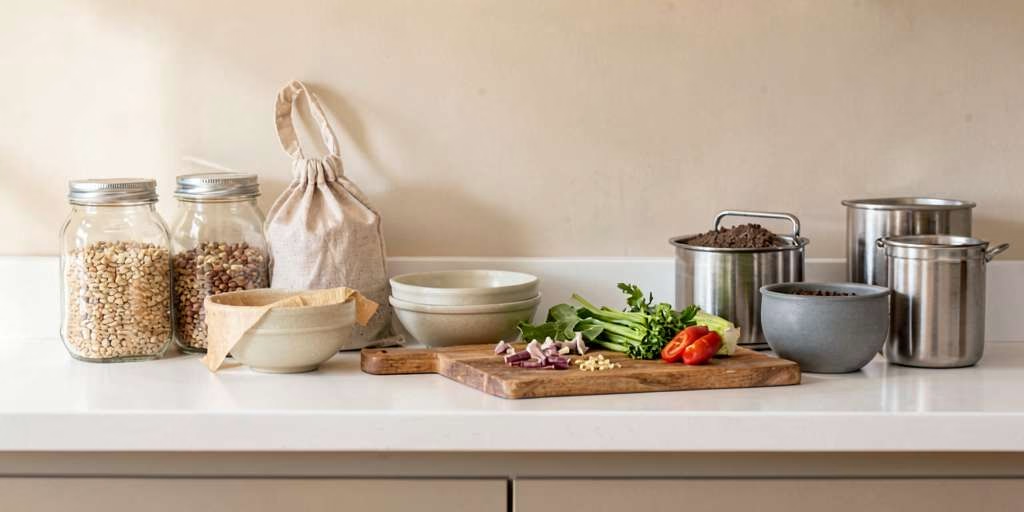
A zero waste kitchen focuses on minimizing waste and maximizing resource use. By adopting sustainable practices, households can significantly reduce their environmental footprint and enhance kitchen efficiency.
This guide offers practical strategies and tips for creating a zero waste kitchen. It covers key principles, waste reduction methods, effective food storage, and creative cooking techniques to help eliminate unnecessary waste.
Understanding Zero Waste Practices in the Kitchen
Implementing zero waste practices in the kitchen is vital for creating a sustainable environment. This section explores the core principles and reasons behind minimizing waste.
The Principles Behind Zero Waste Living
Reduce: Planning and Smart Purchasing
Effective waste reduction starts with mindful purchasing. Strategic meal planning helps avoid impulse buys that can lead to excess food waste. Keeping a list of necessary items and sticking to it can significantly limit unnecessary purchases.
Reuse: Sustainable Kitchen Products and Containers
Utilizing reusable containers and kitchen products significantly cuts down on waste. Choose items made from sustainable materials, such as glass or stainless steel. Incorporating these alternatives not only protects the environment but also promotes a healthier kitchen atmosphere.
Recycling and Composting: Closing the Loop
Composting is an essential practice for reducing landfill waste. By creating an efficient composting system at home, organic scraps can transform into valuable nutrients for gardens. Understanding what can be recycled is also crucial for minimizing waste.
Why Reducing Food Waste Matters
Environmental Impact of Food Waste
Food waste contributes significantly to greenhouse gas emissions. By reducing waste, one directly aids in minimizing the carbon footprint associated with agricultural production and decomposing waste in landfills.
Economic Benefits of Waste Reduction
Lowering food waste also leads to substantial financial savings. Efficient meal planning and smart shopping can cut grocery bills and decrease unnecessary expenditure, directly benefiting household budgets.
Practical Ways to Reduce Waste in Your Kitchen
Transforming daily kitchen habits can lead to significant waste reduction. By implementing effective strategies for food storage, meal planning, and smart shopping, it is possible to minimize the impact on the environment.
Effective Food Storage for Waste Reduction
One of the cornerstones of a zero waste kitchen is effective food storage. Proper techniques can help extend the shelf life of various products.
Proper Storage Techniques by Food Type
- Fruits like apples and bananas should be stored separately to prevent premature spoilage.
- Vegetables such as carrots thrive in water, while onions require a cool, dry location.
Choosing the Right Containers for Sustainability
Select sustainable options like glass or stainless-steel containers. These materials not only preserve food better but also reduce reliance on disposable packaging.
Meal Planning and Inventory Management
Planning meals ahead can drastically cut down on unnecessary purchases and food wastage.
Menu Planning to Avoid Overbuying
- Create a weekly menu that incorporates ingredients already in the pantry.
- Rotate the menu to use up older items before they spoil.
Checking and Using Your Pantry Efficiently
Regularly check pantry items and prioritize their use. Keeping a visible inventory allows for better management and reduces purchase repetition.
Smart Shopping Tips for a Zero Waste Kitchen
Shopping wisely is critical for minimizing waste. Focus on sustainable practices while at the store.
Selecting Products with Minimal Packaging
- Opt for bulk items which often come with less plastic.
- Choose fresh produce sold without packaging instead of pre-packaged options.
Bringing Your Own Bags and Containers
Using reusable shopping bags and containers eliminates the need for single-use plastics. This small change can significantly lessen plastic waste.
Embracing Composting and Recycling at Home
Implementing composting and recycling strategies at home significantly contributes to reducing kitchen waste. These practices transform organic waste into valuable resources and help create a more sustainable household.
Setting Up a Home Compost System
Choosing the Right Compost Container
Selecting an appropriate compost container is essential for efficient composting. Options include:
- Outdoor compost bins designed for larger volumes.
- Kitchen compost pails for collecting scraps indoors.
- Compost tumblers that facilitate mixing and aeration.
- Worm bins for vermicomposting to produce nutrient-rich fertilizer.
Managing Food Scraps for Efficient Composting
Understanding what can be composted and how to do it effectively is vital. Keep a balance of green materials (nitrogen-rich) and brown materials (carbon-rich) for optimal composting. Regularly turning or mixing the compost accelerates decomposition and ensures healthy soil production.
What Can and Cannot Be Recycled in the Kitchen
Understanding Local Recycling Guidelines
Recycling regulations vary by location. Familiarizing oneself with local guidelines ensures proper disposal of materials. Commonly recyclable kitchen items include:
- Glass jars and bottles.
- Certain plastics, depending on local programs.
- Cardboard packaging from food products.
Reusing Glass and Other Sustainable Materials
Glass containers can be easily repurposed for food storage, reducing the need for new packaging. Other materials, such as metal cans and durable plastics, can serve various household functions, promoting a culture of reuse.
Cooking Strategies That Save Food and Resources
Adopting effective cooking strategies plays a crucial role in minimizing food waste in the kitchen. Utilizing whole ingredients and efficiently managing leftovers can significantly contribute to a more sustainable approach to cooking.
Cooking with Whole Ingredients
Maximizing the use of whole ingredients helps create delicious dishes while reducing waste. Embracing every part of the food can transform cooking into a creative and resourceful endeavor.
Using Stems, Leaves, and Peels Creatively
Many parts of fruits and vegetables that are often discarded can be repurposed in various recipes. For instance, broccoli stems can be sliced thinly and stir-fried, while carrot tops can be blended into pesto. This not only minimizes waste but also enhances flavor.
Banana Peel Chutney
Using banana peels in cooking can add a unique twist to dishes. By cooking chopped banana peels with onion, garlic, and spices, a rich chutney can be created, perfect for enhancing various meals while keeping food waste to a minimum.
Using Leftovers to Reduce Waste
Transforming leftovers into new meals is a practical approach to waste reduction. With a bit of creativity, leftover ingredients can be turned into fresh and exciting dishes.
Transforming Leftovers into New Dishes
Leftovers from previous meals can serve as the base for new creations. For example, roasted vegetables can be incorporated into a frittata, or cooked grains can be mixed into salads. These practices not only save resources but also reduce food preparation time.
Safe Storage and Reheating Practices
Storing leftovers correctly ensures their quality and safety. Utilizing airtight containers, making sure to label and date them, helps in keeping track of what needs to be consumed. Proper reheating techniques such as using the microwave or stovetop can revive flavors while maintaining food safety.
Sustainable Products and Tools for Your Kitchen
Implementing sustainable products and tools in the kitchen is essential for minimizing waste and supporting eco-friendly practices. Choosing the right items can greatly enhance the zero waste lifestyle.
Alternatives to Single-Use Plastics
Transitioning away from single-use plastics is a key step toward a sustainable kitchen. Several alternatives can reduce reliance on plastic materials.
Beeswax Wraps vs. Plastic Wrap
Beeswax wraps are a popular choice for covering food. They are reusable, biodegradable, and help keep food fresh. In contrast, traditional plastic wrap contributes to environmental pollution and waste. Employing beeswax wraps not only benefits the planet but also promotes a more sustainable storage method.
Reusable Bags and Containers for Shopping
Investing in reusable shopping bags and containers can significantly lower the amount of plastic waste generated during grocery shopping. Cloth bags, for instance, are durable and can be used repeatedly. Sturdy glass or stainless-steel containers are ideal for storing bulk items and leftovers, further minimizing the need for disposable packaging.
Choosing Eco-Friendly Kitchen Appliances
When selecting kitchen appliances, energy efficiency and sustainability should be top priorities. Eco-friendly appliances reduce energy consumption, contributing to a more sustainable lifestyle.
Energy-Efficient Cookware Options
Opting for energy-efficient cookware not only saves energy but also enhances cooking efficiency. Induction cooktops and pots made from recycled materials are excellent choices for eco-conscious consumers. They help in reducing carbon footprints while delivering outstanding cooking performance.
Tools to Help Reduce Food Waste
Various kitchen tools can assist in minimizing food waste. Food processors, blenders, and spiralizers empower users to creatively use all parts of ingredients, such as stems and peels. By employing these tools, kitchen tasks become more efficient, transforming potential waste into delicious meals.
Building a Sustainable Mindset in Your Everyday Kitchen
Cultivating a sustainable mindset involves adopting habits that align with eco-friendly practices in daily kitchen activities. This transformation fosters a deeper connection to food and encourages mindful consumption.
How to Start Your Own Zero Waste Journey
Embarking on the journey to a zero waste kitchen requires thoughtful steps and personal commitment. This process emphasizes gradual changes that can lead to meaningful results.
Setting Realistic Goals and Tracking Progress
Establishing attainable goals is essential for maintaining motivation. Setting small, measurable targets allows for better tracking of achievements. Over time, these incremental steps can accumulate to create significant reductions in waste generated.
Learning from Challenges and Adjusting Habits
Challenges are an integral part of the adaptation process. Reflecting on setbacks provides valuable lessons. Making adjustments to daily routines can help in overcoming obstacles, leading to more effective waste reduction strategies.
Embracing Sustainable Living Beyond the Kitchen
Sustainable practices can extend into various aspects of daily life. Encouraging a holistic approach fosters community engagement and promotes a greener lifestyle.
Sharing Practices Within Your Community
Community sharing initiatives create a support network for sustainable living. Hosting workshops or informational meet-ups can inspire others to adopt similar eco-friendly habits. Collaboration amplifies the positive impact on the environment.
Supporting Local and Certified Sustainable Products
Purchasing from local producers helps reduce carbon footprints associated with transportation. Opting for certified sustainable products ensures compliance with environmentally friendly practices, promoting responsible consumption.
Leave a Reply