Composting at Home Beginners Guide: Easy Steps for German Gardens
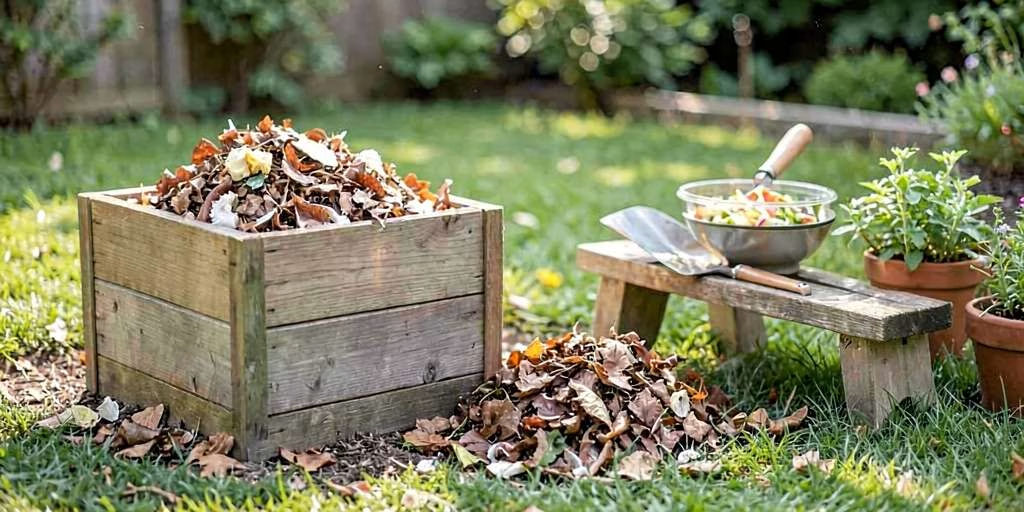
Composting at home is an effective way to recycle organic waste and enrich garden soil. This beginner's guide outlines simple steps to help individuals start composting, making a positive impact on the environment.
Understanding the composting process is essential. Knowing what materials to use and how to maintain a compost pile will ensure successful decomposition and ultimately benefit plant growth.
- Understanding the Composting Process
- Selecting the Right Compost Bin for Small Spaces
- Choosing and Preparing Materials for Your Compost Pile
- Managing Moisture and Aeration in the Compost Pile
- Speeding Up Composting: Tips for Breaking Down Your Compost Faster
- Troubleshooting Common Issues in Your Compost Pile
- Using Your Finished Compost for Plants and Gardens
- Maintaining a Sustainable Composting Routine at Home
Understanding the Composting Process
The composting process is a vital occurrence that transforms organic waste into nutrient-rich soil. Comprehending what takes place within a compost pile is crucial for effective composting.
What Happens Inside the Compost Pile
Inside a compost pile, organic materials undergo a series of physical and biological changes. Initially, microorganisms, fungi, and larger organisms break down the organic matter. As they consume the waste, they produce heat, which raises the temperature of the pile.
This elevated temperature accelerates the decomposition process and creates an environment that promotes the activity of beneficial microorganisms.
During this time, the compost pile undergoes several stages, including:
- Mesophilic Stage: Initial bacteria thrive at moderate temperatures, breaking down easily degradable materials.
- Thermophilic Stage: Heat-producing bacteria dominate, further decomposing the materials and reaching temperatures of up to 65°C, which helps kill pathogens and seeds.
- Cooling Stage: As food sources diminish, temperatures decrease, allowing other microorganisms to take over, continuing the breakdown process.
Role of Microorganisms and Worms
Microorganisms, including bacteria and fungi, play a crucial role in composting. They are the primary agents of decomposition, breaking down various organic materials. Their diversity ensures that different types of waste are effectively processed. Additionally, worms contribute by:
- Improving aeration within the pile through their burrowing activities.
- Excreting nutrient-rich castings that enhance the compost's overall quality.
- Facilitating the breakdown of organic matter into finer particles, making nutrients more available to plants.
Combining these organisms creates a dynamic ecosystem in the compost pile, leading to more efficient decomposition and improved nutrient availability.
How Nitrogen Rich and Carbon Materials Break Down
Composting relies heavily on the balance between nitrogen-rich (green) and carbon-rich (brown) materials. Nitrogen sources, like food scraps and fresh grass clippings, promote bacterial growth, which is essential for rapid composting. Conversely, carbon-rich materials such as dried leaves, paper, and cardboard provide energy for microorganisms. The breakdown of these materials occurs in the following ways:
- Initial Break Down: Nitrogen materials are quickly colonized by bacteria, leading to a rise in microbial activity.
- Carbon Utilization: As nitrogen sources decrease, microbes begin to utilize carbon materials, enabling sustained activity for prolonged decomposition.
- Decomposition Completion: The combination of both materials results in the formation of rich compost, commonly referred to as "black gold" among gardeners.
Maintaining an appropriate balance of these materials is essential for producing quality compost efficiently.
Selecting the Right Compost Bin for Small Spaces
Choosing the appropriate compost bin is crucial, especially when space is limited. Various options are available, catering to different needs and preferences. Below is a comprehensive overview of suitable bins for smaller environments.
Types of Compost Bins Suitable for Home Gardens
Different styles of compost bins can be effectively utilized in limited areas. These bins help to optimize composting in small gardens or even balcony setups. The most common types include:
- Plastic Compost Bins: These are lightweight, often designed for easy aeration, and resistant to weather conditions. They are available in various sizes, making them suitable for small spaces.
- Wooden Bins: Constructed from untreated wood, these bins can be custom-sized to fit specific areas. They enhance aesthetics and can blend well with garden settings.
- Stackable Bins: Ideal for limited spaces, stackable bins allow for vertical composting. This method maximizes space while providing easy access to compost material.
- Worm Composters: Known as vermicomposters, these small bins utilize worms to decompose organic waste quickly. They are perfect for kitchens or patios, and the nutrient-rich compost produced is excellent for plants.
Features to Consider in a Compost Bin That Breaks Down Material Efficiently
When selecting a compost bin, specific features can enhance the efficiency of the decomposition process. Consider the following aspects:
- Aeration: Proper airflow is essential for efficient composting. Look for bins with ventilation holes or slats that allow oxygen to circulate within the contents.
- Size: The bin should be large enough to accommodate a typical household's organic waste but small enough to fit the available space. A compact design can help manage smaller quantities more effectively.
- Drainage: Ensure the bin has proper drainage to allow excess moisture to escape, preventing it from becoming waterlogged. Many bins come with a base that promotes drainage.
- Ease of Access: Choose a bin with a removable lid or a side door that makes it convenient to add new materials and retrieve finished compost.
DIY Compost Bin Options for Beginners
Building a DIY compost bin can be an eco-friendly and cost-effective solution. Beginners can explore various materials to create their own compost bins. Some options include:
- Wooden Pallet Bins: Using recycled wooden pallets, one can easily construct an open bin. This method provides great ventilation and is simple to assemble.
- Wire Fencing: Circular bins can be made with wire fencing, allowing air to circulate while containing organic materials. This design can adapt to different spaces.
- Plastic Storage Containers: Repurposing large, lidded plastic containers can create an effective compost bin. Drill holes for aeration, and this option can easily fit in tight spaces.
Choosing and Preparing Materials for Your Compost Pile
Effective composting begins with the right materials. Understanding what to include in the compost pile and how to prepare these materials is crucial for creating nutrient-rich compost.
Identifying Greens and Browns: What to Add and When
When establishing a compost pile, it is important to recognize the two primary categories of compost materials: greens and browns. Greens are typically rich in nitrogen, while browns provide essential carbon.
Kitchen Scraps: Coffee Grounds and Fruit and Vegetables
Kitchen scraps are an excellent choice for adding greens to a compost pile. Items like coffee grounds, fruit peels, and vegetable remnants contribute valuable nitrogen. Collecting these scraps in a designated container can facilitate the composting process.
Garden Waste and Leaves
Garden waste, including trimmings from plants and fresh grass clippings, introduces additional nitrogen. Incorporating leaves, particularly in the fall, provides a good source of brown material. Mixing these components balances the compost structure.
Dry Browns: Paper, Cardboard, and Twigs
Dry materials such as paper, cardboard, and twigs are essential for a well-functioning compost pile. These items add carbon and help aerate the pile. It is important to ensure that the paper and cardboard are free from glossy finishes to avoid harmful chemicals.
How to Cut Material Into Smaller Pieces to Break Down Faster
Preparing compost materials by cutting them into smaller pieces can significantly speed up the decomposition process. Smaller particles increase the surface area, making it easier for microorganisms to break them down.
Using garden shears or a shredder, cut up larger items into manageable sizes. This practice not only enhances decomposition but also ensures a more uniform consistency in the finished compost.
Avoiding Weed Seeds and Problematic Materials
Maintaining the integrity of a compost pile involves being selective about what is added. Avoid incorporating weed seeds, as they can survive the composting process and reemerge in the garden.
In addition to weeds, certain materials like diseased plants, meat, and dairy should be excluded. These items can attract pests and create unpleasant odors in the compost bin, ultimately compromising its health.
Managing Moisture and Aeration in the Compost Pile
Effective moisture and aeration management are crucial for a thriving compost pile. Ensuring the right balance allows microorganisms to work efficiently, transforming organic waste into nutrient-rich compost.
Signs Your Pile Will Need More Moisture or Dry Material
Observing the condition of the compost pile provides insight into its moisture levels and balance of materials. Necessary adjustments may be required based on particular signs:
- Dry and Crumbly Texture: If the compost feels dry and breaks apart easily, it indicates inadequate moisture content. The ideal compost should feel moist, similar to a wrung-out sponge.
- Excessive Heat: A hot pile can signal that it's too dry, inhibiting microbial activity. In such cases, the pile may need moisture to cool down and function effectively.
- Slow Decomposition: If breakdown is sluggish, moisture levels might be insufficient. Healthy composting relies on consistent moisture to support microbial life.
How to Aerate the Pile by Turning or Using Tools
Aeration promotes oxygen flow, essential for a balanced composting process. Techniques for aerating the pile include:
- Regular Turning: Using a pitchfork or shovel, turn the compost pile every week. This action revitalizes airflow and redistributes moisture and heat throughout the materials.
- Aeration Tools: Specialized tools, such as compost aerators, can simplify the process of integrating oxygen. Less manual effort is required with this equipment, making aeration more efficient.
- Strategic Layering: When adding new materials, place them evenly throughout the pile. This helps to maintain airflow while preventing compaction, leading to better aeration.
What to Do If the Compost Bin Is Too Wet or Smelly
An overly wet compost bin can lead to unpleasant odors and hinder the decomposition process. Addressing this issue involves a few corrective actions:
- Identify the Cause: Excess moisture may arise from numerous sources, such as excessive greens or poor drainage systems. Pinpointing the cause will aid in finding an effective solution.
- Add Dry Materials: Incorporate dry carbon-rich materials like straw, dried leaves, or shredded paper to absorb excess moisture. This will help restore balance in the compost pile.
- Improve Ventilation: Adjust compaction and enhance airflow within the bin by turning or loosening materials. Increased oxygen will help eliminate odors and reactivate beneficial microorganisms.
Speeding Up Composting: Tips for Breaking Down Your Compost Faster
Enhancing the speed of composting is essential for achieving a rich compost in shorter periods. Various methods can be employed to ensure materials decompose efficiently, accelerating the overall process.
Adding New Material Without Overloading the Pile
Introducing new organic materials to the compost pile is an effective way to boost the decomposing process. However, it is critical to avoid overwhelming the pile with excessive quantities. When adding new materials, consider the following:
- Gradual Addition: Introduce small amounts of greens and browns over time to maintain an appropriate carbon-to-nitrogen ratio.
- Check for Balance: Ensure that the newly added materials do not disrupt the existing balance of the compost pile.
- Observe Decomposition: Monitor the pile’s temperature and odor; a balanced addition will generally create a warm and earthy aroma.
Using Worms in Your Compost Bin That Helps Break Down Material
Incorporating worms into the composting system can significantly enhance material breakdown. These creatures, particularly red wigglers, efficiently consume organic waste and speed up the composting process by:
- Breaking Down Food Waste: Worms digest kitchen scraps, turning them into nutrient-rich vermicast.
- Improving Aeration: As worms create tunnels within the compost, they enhance air circulation, benefiting the microbial activity essential for decomposition.
- Producing Moisture: Worms produce mucus, adding moisture to the compost pile, crucial for microbial processes.
How the Composting Process Works Faster With the Right Balance of Greens and Browns
The ideal composting process thrives on a balance between nitrogen-rich greens and carbon-rich browns. Maintaining this ratio is key to speeding up decomposition:
- Optimal Ratio: Aim for a carbon to nitrogen ratio of about 30:1, adjusting the mix based on available materials.
- Layering Technique: Alternate layers of greens and browns when building the compost pile, ensuring effective decomposition.
- Regular Mixing: Turn the pile regularly to maintain aeration and promote an even breakdown of materials.
Troubleshooting Common Issues in Your Compost Pile
Common challenges may arise during the composting process. Understanding and addressing these issues can help maintain an efficient compost pile and ensure optimal decomposition.
What To Do When the Compost Pile Smells Bad or Is Too Wet
A foul odor from the compost pile often indicates excess moisture or an imbalance between greens and browns. It is essential to identify the source of the problem and take corrective measures to restore a healthy environment.
- Regularly inspect the moisture level of the pile. If it feels soggy, it may require additional dry materials.
- To reduce excess humidity, incorporate more carbon-rich materials like dried leaves, shredded paper, or cardboard.
- Turn the pile frequently to improve aeration. This helps to eliminate unpleasant smells by facilitating aerobic decomposition.
- If the odor persists, consider removing some of the wetter materials to help balance the compost.
Dealing with Insects and Other Pests in the Compost Bin
Insects and worms are generally beneficial for composting, as they help break down organic matter. However, an overpopulation of pests may signal trouble.
- Maintain a balanced mix of greens and browns to avoid attracting undesirable insects. Excess nitrogen can draw pests.
- Cover the compost pile with a tarp or lid, which can minimize pests while allowing airflow.
- Incorporate diatomaceous earth or natural repellents to deter specific insects.
- Monitor the pile for any signs of rodents. If necessary, reposition the compost bin to a less accessible location for wildlife.
Preventing the Pile From Becoming Too Dry or Compact
A compost pile that becomes overly dry or compact can slow down the decomposition process, resulting in nutrient loss.
- Check the moisture level regularly. A properly balanced pile should be moist but not dripping wet.
- If the pile is too dry, gently add water or moist greens to revive it. Aim for a consistency similar to a damp sponge.
- To prevent compaction, ensure adequate aeration by turning the pile periodically. This will introduce oxygen and enhance microbial activity.
- Consider incorporating materials that promote airflow, such as straw or small branches, which can help maintain an airy structure in the compost.
Using Your Finished Compost for Plants and Gardens
Utilizing finished compost can greatly enhance the health and vitality of plants in your garden. This section explores how to determine when the compost is ready for use and the various applications for flower and vegetable beds.
How to Recognize When the Compost Will Be Ready
Determining the readiness of compost is crucial for its effective usage. A well-aged compost will exhibit several distinguishing characteristics:
- The compost should have a dark, crumbly texture, resembling rich soil.
- An earthy aroma should replace any foul smells, indicating successful decomposition.
- Original materials can no longer be distinguished; they should be fully broken down.
- The temperature of the compost pile stabilizes and matches the ambient temperature, signaling the end of the active decomposition phase.
Ways to Use Your Compost for Your Flower and Vegetable Beds
When it comes to enriching soil and promoting plant growth, finished compost is a versatile resource. Here are some effective ways to incorporate it into gardens:
- Top Dressing: Spread a thin layer of compost over the soil surface around plants. This technique helps to replenish nutrients and improve soil texture.
- Soil Amendment: Mix compost into the planting holes or garden beds before planting. This enhances the soil's fertility and promotes healthy root development.
- Compost Tea: Create a nutrient-rich liquid fertilizer by steeping compost in water. This can be used as a foliar spray or soil drench to provide instant nutrients to plants.
- Mulch: Use finished compost as a mulch layer to prevent weeds and retain soil moisture during dry spells. This aids in temperature regulation and promotes healthy soil life.
Mixing Compost Back Into the Soil for Improved Plant Growth
Integrating compost into garden soil maximizes the benefits derived from this organic material. Consider the following methods:
- The Mixing Approach: Before planting, blend compost with existing soil using a garden fork or tiller. This suffuses nutrients throughout the planting area.
- Direct Application: For established plants, remove some topsoil and replace it with compost, ensuring that the new material is well-integrated without damaging roots.
- Regular Maintenance: Continually amend soil with compost annually to maintain nutrient levels and support the growth of healthy plants.
Maintaining a Sustainable Composting Routine at Home
Establishing a sustainable composting routine fosters an effective environment for decomposition and enriches soil health. Consistent care and attention can turn composting into a rewarding long-term practice.
Adding Some Greens and Browns Regularly
A balanced mix of nitrogen-rich greens and carbon-heavy browns encourages microorganisms to thrive. Regularly adding these materials ensures that the compost pile remains active and efficient. Recommended additions include:
- Kitchen scraps, such as fruit and vegetable peels.
- Grass clippings and garden waste.
- Dry leaves, paper, and cardboard.
Maintaining a ratio of roughly two parts browns to one part greens promotes optimal decomposition. This approach helps prevent the pile from becoming too wet or slimy, which can impede the composting process.
How to Keep Your Compost Pile Healthy Year-Round
Year-round management is essential to cope with seasonal variations. During colder months, insulation materials like straw or compostable fabrics can trap heat and maintain activity. In summer, regular turning allows aeration, preventing odors and promoting uniform breakdown.
It is important to monitor temperature; a pile exceeding 65°C may need additional aeration to avoid burning out biological activity. Regular checks for moisture levels are crucial as well. A well-maintained compost pile should feel like a damp sponge—not soggy. If overly dry, incorporate more greens or water the pile lightly.
Monitoring the Composting Process for Best Results
Frequent observation of the composting process can provide insights into necessary adjustments. When the pile reaches a pleasant earthy scent and darkens in color, it indicates effective decomposition. Conversely, unpleasant odors may suggest an imbalance that requires attention.
Tracking the progress of composting may involve:
- Visual inspections for dry or overly wet areas.
- Using a thermometer to measure internal temperatures.
- Regularly turning the pile every few weeks to encourage aeration.
Maintaining consistency in these practices will ensure a steady supply of nutrient-rich compost ready for the garden, while also adhering to sustainable waste management principles.
Leave a Reply