Buy Sustainable Eco Products EU: Your Guide to Eco-Friendly Shopping
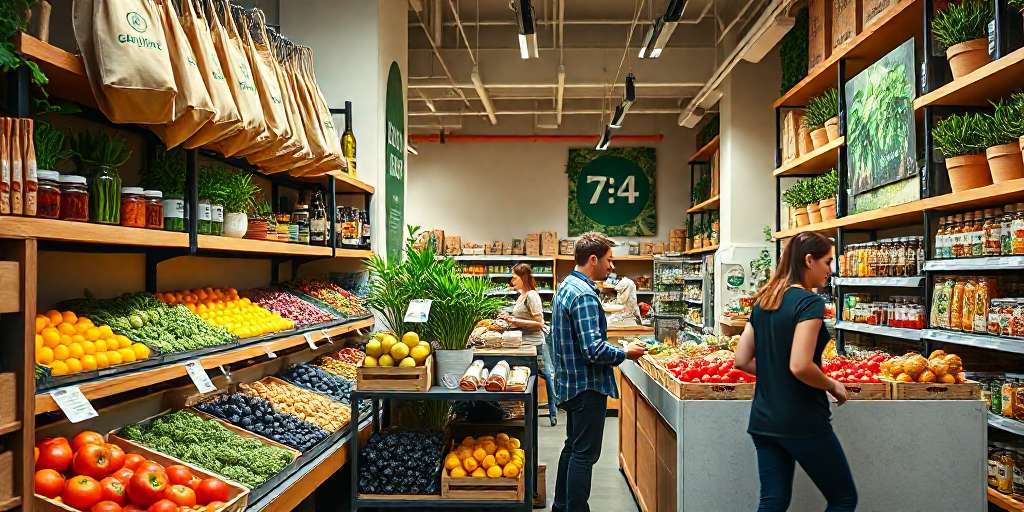
Sustainable eco products are becoming increasingly important in the EU. The focus on eco-friendly purchasing aligns with efforts to reduce environmental impact and promote responsible consumption practices.
Regulations, such as the Eco Design for Sustainable Products Regulation (ESPR), play a significant role in guiding consumers and businesses. These frameworks aim to establish clear standards for sustainability in various products available in the market.

- EU Sustainable Products Overview
- The Role of ESPR
- The European Green Deal
- Ecodesign Requirements
- Digital Product Passport
- The Circular Economy Action Plan
- Sustainable Products Initiative
- Public Procurement and Green Measures
- Addressing Unsold Consumer Products
- Sustainable Practices for Consumers
- The Future of Sustainable Products in EU
EU Sustainable Products Overview
The European Union is increasingly focusing on sustainable products as part of its commitment to environmental responsibility. Understanding the framework surrounding these products is crucial for both consumers and businesses.
Understanding EU Sustainability Regulations
The EU has implemented a range of regulations aimed at promoting sustainability across various sectors. These regulations are designed to address the environmental impacts of products throughout their lifecycle, from production to disposal. The upcoming Eco Design for Sustainable Products Regulation (ESPR) is a key initiative, setting clear standards for product design and composition to enhance sustainability.
Besides the ESPR, other regulations include directives related to packaging waste, waste electrical and electronic equipment (WEEE), and the regulation on the registration, evaluation, authorization and restriction of chemicals (REACH). These regulations collectively work to ensure that products not only meet high environmental standards but also contribute to a circular economy.
Importance of Sustainable Products
Sustainable eco products play a significant role in mitigating negative environmental impacts. The importance of these products can be observed through various aspects:
- Environmental Protection: Sustainable products are designed with less harmful materials, reducing pollution and conserving natural resources.
- Resource Efficiency: These products often utilize energy more efficiently, thus contributing to a lower carbon footprint.
- Consumer Awareness: As consumers become more environmentally conscious, their preference for sustainable options drives market demand, encouraging businesses to adopt greener practices.
- Economic Benefits: Investing in sustainable practices can lead to long-term cost savings and increased competitiveness for businesses within the evolving market landscape.
- Social Responsibility: Local communities and ecosystems benefit from the reduced environmental impacts of sustainable products, fostering overall societal well-being.
By choosing sustainable products, consumers support economic models that prioritize ecological balance, potentially leading to broader societal shifts towards sustainability. The significance of sustainable products extends beyond individual choices and is pivotal in achieving broader environmental goals set by the EU.
The Role of ESPR
The Eco Design for Sustainable Products Regulation (ESPR) plays a crucial role in shaping the marketplace for sustainable products across the European Union. By implementing stringent guidelines, it aims to ensure that products are not only eco-friendly but also economically viable for consumers and businesses alike.
Objectives of the ESPR
The primary objectives of the ESPR focus on enhancing the sustainability of products while promoting circular economic practices. Through its framework, it seeks to:
- Improve product circularity by encouraging designs that facilitate reuse, repair, and recycling.
- Minimize energy consumption and resource use throughout the product lifecycle.
- Reduce hazardous substances to protect both human health and the environment.
- Recycled eco products: Support the increased use of recycled materials in product manufacturing.
Key Features of the Regulation
The ESPR introduces several essential features to foster a more sustainable market environment. These features include:
- The establishment of specific design requirements tailored to various product categories.
- Provisions for enhanced product labeling, enabling consumers to make informed choices based on sustainability criteria.
- The incorporation of the Digital Product Passport, which provides crucial information about a product's environmental impact and recyclability.
- Guidelines for production processes that encourage the reduction of environmental footprints.
How ESPR Will Affect Products
The ESPR is set to have a profound impact on how products are designed, manufactured, and marketed within the EU. Key effects include:
- Manufacturers will need to focus on sustainable sourcing of materials, ensuring that their products are environmentally friendly from inception to disposal.
- More comprehensive recycling protocols will be developed, enabling consumers to easily dispose of products in an eco-conscious manner.
- A shift towards innovation in product design will occur, with increased emphasis on longevity and reparability.
- Companies that fail to comply with the new sustainability standards may face restrictions, potentially limiting their market access within the EU.
The European Green Deal
The European Green Deal represents a comprehensive roadmap designed to make Europe the first climate-neutral continent by 2050. It emphasizes the promotion of sustainability through various initiatives and reinforces the importance of transitioning to a circular economy.
Connection to Sustainable Eco Products
The European Green Deal is intricately linked to the push for sustainable products in the EU. By implementing regulations and incentives, the deal fosters an environment where eco friendly products are prioritized. This alignment helps to achieve broader environmental goals while meeting the growing demand for natural eco-friendly products alternatives.
EU's Goals for a Circular Economy
A key objective of the European Green Deal is to transition towards a circular economy. This model focuses on sustainability by ensuring that resources are used efficiently and waste is minimized. The goals include:
- Reducing waste and promoting recycling to extend the lifecycle of materials.
- Encouraging the design of products that are more durable and easier to repair.
- Developing policies that incentivize businesses to adopt sustainable practices.
- Establishing a regulatory framework that facilitates a shift towards renewable resources.
Through these initiatives, the EU aims to ensure that economic growth does not come at the expense of the environment. The circular economy framework is designed to create a more sustainable production and consumption system, ultimately supporting the transition to a low-carbon economy.
Ecodesign Requirements
Ecodesign requirements focus on enhancing the sustainability of products throughout their lifecycle. These regulations aim to promote environmentally friendly design and manufacturing processes, ensuring that products are better for both consumers and the environment.
Improving Product Sustainability
The primary aim of ecodesign is to minimize the ecological impact of products by integrating sustainability into the design process. This encompasses various stages, from material selection to manufacturing methods and end-of-life disposal. Key strategies include:
- Utilizing sustainable materials that are either recyclable or biodegradable.
- Minimizing resource consumption by improving product durability and usability.
- Enhancing possibilities for repair and refurbishment, prolonging the product's lifespan.
- Designing for disassembly, which facilitates recycling and recovery of materials.
- Reducing the carbon footprint of production processes through efficient energy use.
These approaches not only benefit the environment but can also provide economic advantages for manufacturers through reduced material costs and enhanced public perception.
Energy and Resource Efficiency
Energy and resource efficiency are vital components of the ecodesign framework. Focus is placed on decreasing the energy required for production, transportation, and use of products, as well as optimizing resource utilization. Important factors include:
- Implementing energy-efficient technologies in the manufacturing process.
- Designing products that consume less energy during their usage phase.
- Encouraging the use of renewable energy sources throughout the product lifecycle.
- Reducing waste generation and promoting material recovery.
By adhering to these principles, companies can significantly lower their environmental impact while also ensuring compliance with EU regulations aimed at fostering a more sustainable market. These efforts contribute to a circular economy where resources are continuously reused, ultimately benefiting society at large.
Digital Product Passport
The Digital Product Passport (DPP) is a pivotal tool within the European Union's strategy for sustainability. By providing crucial information on the environmental and technical aspects of products, it aims to promote transparency and enhance the circular economy.
What Is a Digital Product Passport?
The Digital Product Passport serves as a comprehensive 'identity' for products in the market. It contains essential data that verifies a product's compliance with sustainability standards and regulations. This innovative digital document encapsulates various attributes of a product, including:
- Technical performance metrics, ensuring products meet required standards.
- Origin of materials, indicating sustainable sourcing practices.
- Repair possibilities, highlighting options for extending the product's lifespan.
- Recycling capabilities, which clarify how the product can be reused or disposed of responsibly.
- Environmental impacts throughout the product's lifecycle, allowing consumers to make informed choices.
By consolidating this information, the DPP aims to facilitate better decision-making for consumers while also guiding manufacturers toward sustainable practices.
Benefits for Consumers and Companies
The introduction of the Digital Product Passport is anticipated to yield significant advantages for both consumers and businesses.
For Consumers
- Empowerment through transparency: With detailed information at their disposal, consumers can confidently choose products that align with their values regarding sustainability.
- Enhanced understanding of products: The DPP provides clear data on how to use, maintain, and recycle products, promoting environmentally friendly behaviors.
- Informed purchasing decisions: Access to comprehensive product information enables consumers to compare options easily and choose the most sustainable alternatives available.
For Companies
- Encouragement of sustainable practices: Understanding their products' sustainability implications can motivate manufacturers to adopt better practices throughout the production process.
- Improved market competitiveness: Companies that utilize the DPP can differentiate themselves in a growing market focused on sustainability.
- Strengthened brand loyalty: By demonstrating a commitment to transparency and eco-friendliness, businesses can build trust and loyalty among consumers who prioritize these values.
The implementation of the Digital Product Passport not only enhances consumer awareness but also drives companies towards more sustainable operating models. This commitment is crucial for advancing the overall sustainability goals established by the European Union.
The Circular Economy Action Plan
The Circular Economy Action Plan is a fundamental component of the European Union's strategy to transition towards a sustainable economy. It outlines various initiatives aimed at promoting circularity across different sectors, ensuring that resources are used more sustainably and efficiently.
Initiatives to Promote Circularity
The Circular Economy Action Plan encompasses a wide range of initiatives designed to foster a circular economy. These initiatives not only focus on product design but also aim to enhance recycling, refurbishment, and reducing waste. Key components include:
Product Design and Innovation
Encouraging manufacturers to develop products that are easier to recycle, repair, or upgrade is crucial for sustainability. Innovative design strategies lead to longer product lifespans.
Enhanced Recycling Processes
Improving recycling technologies and systems can significantly increase the rates of material recovery. Investments in advanced sorting and processing infrastructure are needed to handle recyclable materials more effectively.
Support for Economies of Repair
Facilitating services that allow consumers to repair products can reduce waste. This initiative encourages local repair shops and resources to empower communities to maintain and extend the life of products.
Waste Prevention Strategies
Implementing measures aimed at preventing waste generation is essential. This includes promoting bulk purchasing, sharing platforms, and alternative business models to reduce waste at the source.
How the Plan Sets Out Changes
The Circular Economy Action Plan lays down comprehensive strategies and clear guidelines to achieve its goals. The following elements are pivotal in steering the changes towards a more circular economy:
Legislative Proposals
Future legislation will focus on reducing waste, enhancing product longevity, and ensuring that products are designed with recycling in mind. This policy framework will set mandatory requirements across various sectors.
Investment in Circular Technologies
Investing in research and innovation is fundamental. Support for technologies that promote sustainability will help develop new solutions for product lifecycle management.
Public Awareness Campaigns
Raising awareness among citizens and businesses about the benefits of a circular economy is vital. Educational initiatives can encourage a shift in consumer behavior towards sustainable practices.
Collaboration with Stakeholders
Engagement with businesses, local authorities, and civil society ensures that all relevant actors contribute to the circular economy. Collaborative efforts are essential to optimize resources and streamline processes.
Sustainable Products Initiative
The Sustainable Products Initiative represents a strategic approach by the European Union to enhance the sustainability of products on the market. This initiative focuses on reducing environmental impacts, promoting circular practices, and fostering consumer awareness.
The Goals of the Initiative
The primary objectives of the Sustainable Products Initiative are multifaceted, aimed at transforming production and consumption patterns across the EU. Key goals include:
- Enhancing product sustainability through improved design and material usage.
- Establishing clear labeling requirements to inform consumers about sustainability attributes.
- Encouraging manufacturers to incorporate circularity principles in their product lines.
- Promoting a shift towards resource-efficient products while minimizing waste generation.
- Fostering innovation in sustainable technologies and services.
Implementation and Consultation
The implementation phase of the Sustainable Eco Products Initiative involves a comprehensive approach that includes stakeholder consultations, regulatory frameworks, and market assessments. This ensures that all relevant parties, including manufacturers, consumers, and environmental organizations, are involved in the process.
Regular consultations are held to gather feedback, assess the practical implications of proposed measures, and ensure that the initiative meets the varying needs of the market. The process emphasizes transparency and inclusivity, allowing for a collaborative environment where different perspectives can be considered.
Key elements of the implementation plan include:
- Development of specific regulations tailored to different product categories.
- Establishment of clear timelines and milestones for compliance and assessment.
- Integration of sustainable procurement practices within public and private sectors.
- Monitoring and evaluation processes to measure the effectiveness of the initiative in achieving its sustainability goals.
- Support for companies transitioning to sustainable practices through guidance and resources.
Public procurement plays a crucial role in driving sustainability within the European Union. By prioritizing eco-friendly practices and initiatives, government procurement can significantly influence market dynamics and promote green business models.
Public Procurement and Green Measures
Impact on Market Demand
The EU's financial commitment to public procurement, approximately 1.8 trillion euros annually, provides a unique opportunity to enhance the demand for sustainable products. By integrating sustainability criteria into procurement processes, governments can create a ripple effect that encourages suppliers to align their offerings with environmental standards.
As public entities increasingly seek sustainable options, market demand for eco-friendly products is likely to rise. This method not only benefits the environment but also stimulates innovation among companies striving to meet new regulations and expectations. Key factors influencing this demand include:
- Adoption of green criteria in tendering processes.
- Preference for suppliers demonstrating sustainability efforts.
- Incentives for businesses to adopt circular economy principles.
Encouraging Green Business Models
Public procurement can serve as a powerful tool to encourage green business models. By creating frameworks that favor sustainable practices, government purchases can motivate companies to rethink their operations and supply chains. The following strategies are integral in this transformation:
- Establishing clear guidelines for sustainable sourcing and procurement.
- Promoting collaborative partnerships between governments and green businesses.
- Implementing training programs to educate procurement officials on sustainability best practices.
Such measures can lead to a significant shift in how products and services are sourced, paving the way for a greener economy. By prioritizing sustainability in public purchases, not only is ecological responsibility enhanced, but a more resilient and future-oriented market is cultivated.
Addressing Unsold Consumer Products
Addressing the issue of unsold consumer products is crucial for promoting sustainability within the European market. Regulations are being introduced to minimize waste and encourage responsible consumption practices.
Rules Against Destruction of Unsold Goods
With the increasing concern about environmental impact, new rules have been established in the EU to combat the destruction of unsold goods. This measure primarily targets sectors such as textiles and footwear, where surplus stock has historically contributed significantly to waste. The overarching goal is to reorient businesses towards more sustainable practices.
The regulations stipulate that businesses must explore alternatives to destruction, including:
- Donating surplus items to charitable organizations.
- Creating platforms for resale to encourage second-hand markets.
- Implementing recycling programs to extract value from unsold inventory.
These changes not only reflect a commitment to environmental responsibility but also promote a culture of reuse and recycling, aligning with the broader goals of the circular economy.
Transparency in Waste Management
Transparency in how unsold products are managed is essential for accountability and fostering consumer trust. Companies are now required to disclose information regarding quantity and types of products discarded, which extends to unsold goods. This initiative aims to create a clearer picture of waste generation and management practices across various sectors.
In addition, reporting mechanisms will assist in tracking how these products are dealt with, enabling stakeholders to assess progress. Key points to note include:
- Mandatory reporting of unsold product quantities.
- Public accessibility of data related to waste management practices.
- Encouragement for businesses to adopt transparent practices across their supply chains.
Ultimately, improved transparency in waste management not only helps in maintaining compliance with regulations but also empowers consumers to make more informed choices, thus further promoting sustainable consumption patterns across the EU.
Sustainable Practices for Consumers
Implementing sustainable practices is essential for consumers who wish to contribute positively to the environment. By making informed choices and supporting sustainable brands, individuals can play a crucial role in fostering a greener future.
Evaluating Brand Sustainability
Assessing the sustainability of brands involves examining their environmental commitments and practices. This can include:
- Transparency: Brands that openly report their environmental impact and sustainability initiatives are generally more trustworthy.
- Certification: Look for third-party certifications such as Ecolabel or Fair Trade, which indicate compliance with environmental standards.
- Sourcing: Brands that use ethically sourced materials are typically more sustainable.
- Community Engagement: Companies that invest in local communities and sustainable development projects often demonstrate a commitment to broader social responsibility.
Choosing Products with Recycled Content
Opting for products made with recycled materials is an effective way to support sustainability. When selecting items, consider:
- Material Composition: Check for labels indicating the percentage of recycled content in the product.
- Durability: Products that are made from recycled materials should also be durable to minimize waste in the long term.
- Recycling Options: Look for products that can be recycled again at the end of their life cycle, increasing efficiency in resource use.
Repair and Maintenance Options
The movement towards "right to repair" emphasizes the importance of maintaining products to extend their lifespan. Consumers should consider:
- Repairable Design: Choose products designed for easy repair, which can reduce waste and encourage a longer use life.
- Availability of Parts: Brands that sell spare parts and provide repair manuals empower consumers to fix their items rather than discard them.
- Repair Services: Look for local repair shops that can service products, promoting the local economy while reducing environmental impact.
The Future of Sustainable Products in EU
The future of sustainable products in the European Union is driven by evolving consumer preferences and regulatory frameworks. As the region gears towards a more sustainable economy, various trends and environmental impacts will shape market dynamics.
Trends and Developments
With increasing awareness regarding environmental issues, the demand for sustainable products is set to rise significantly. Several key trends are emerging in this landscape:
- Innovation in Eco-Design: Manufacturers are prioritizing eco-design principles to create products that are not only efficient but also environmentally friendly. This includes using recyclable materials and designing for longevity.
- Transparency and Traceability: There is a growing expectation for brands to be transparent about their supply chains. Consumers want to know where materials come from and the environmental impact of the products they purchase.
- Integration of Technology: The use of digital tools, including the Digital Product Passport, is becoming commonplace. These tools enhance product information accessibility, enabling consumers to make informed decisions based on sustainability criteria.
- Shift towards Circular Economy Models: Businesses are adopting circular economy principles by embracing recycling, reuse, and sustainable practices throughout their operations, moving away from the traditional linear model of consumption.
- Consumer Advocacy: Consumers are increasingly vocal about their expectations for sustainability. They support brands that demonstrate social responsibility and environmental stewardship through their products and practices.
Long-term Environmental Impact
The shift towards sustainable products in the EU is expected to yield substantial long-term environmental benefits. Key factors include:
- Reduced Carbon Footprint: By prioritizing products with lower carbon emissions throughout their life cycles, the EU aims to mitigate climate change impacts significantly.
- Enhanced Biodiversity: Sustainable product practices contribute to the preservation of biodiversity. Protection of ecosystems is fundamental to maintaining the natural systems we rely upon.
- Waste Reduction: The emphasis on recycling and eco-design will result in less waste being generated. This is crucial in tackling the pressing issue of waste management, particularly in landfills.
- Improved Resource Efficiency: Sustainable products are designed to make better use of resources. This increases efficiency and reduces the pressure on raw materials, contributing to more sustainable consumption patterns.
- Social Benefits: Shifting towards sustainable practices not only fosters environmental responsibility but also enhances social equity. Communities engaged in sustainable practices often benefit from improved economic opportunities and better resilience.
Leave a Reply