Green Hydrogen EU Regulation: Key Guidelines and Future Prospects
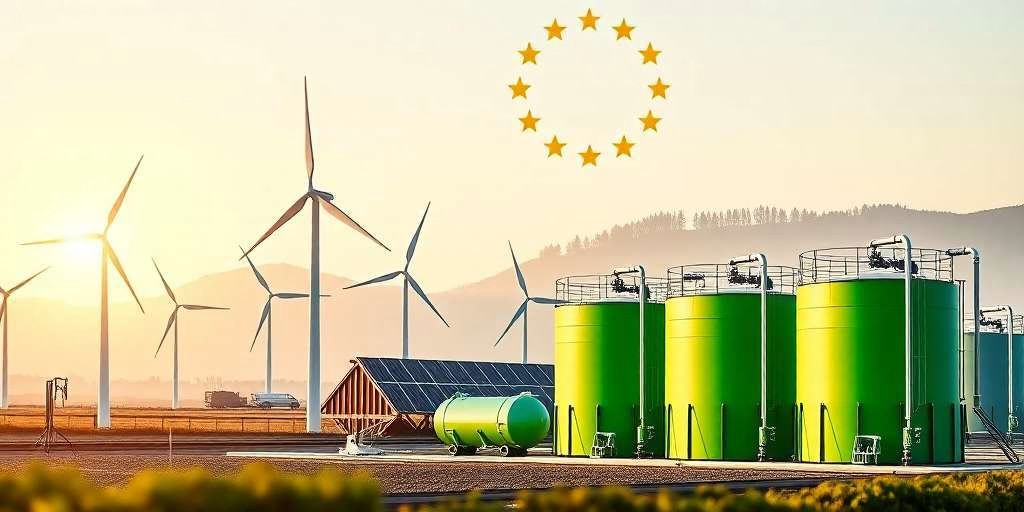
Green hydrogen regulation in the EU aims to foster sustainable energy transitions. This framework supports the production and utilization of renewable hydrogen to decarbonize various sectors.
The upcoming sections will outline the regulatory guidelines, targets, and compliance measures essential for the development of the green hydrogen market in Europe. These regulations are vital for promoting clean energy and reducing greenhouse gas emissions.
- EU Framework for Renewable Hydrogen Production
- Delegated Acts Governing Green Hydrogen
- Certification and Compliance Systems
- Production and Grid Integration of Renewable Hydrogen
- Market Development and Industry Applications
- Emissions Savings and Environmental Impact
- Policy Instruments and Investment Opportunities
- Challenges in Implementing Green Hydrogen Policy
EU Framework for Renewable Hydrogen Production
The European Union has established a robust framework designed to facilitate the transition towards renewable hydrogen. This regulatory environment is instrumental in guiding member states as they implement green hydrogen initiatives.
The Renewable Energy Directive and Its Impact
This directive plays a pivotal role in setting the regulations for renewable energy sources, thereby directly influencing hydrogen production standards. It mandates that member states must progressively integrate hydrogen derived from renewable sources into their energy frameworks.
- The directive outlines binding targets for renewable energy usage, promoting not only hydrogen but also various renewables.
- It stipulates that a significant portion of energy needs must be met through sustainable practices by set deadlines, thereby pushing for innovative production techniques.
Targets for Renewable Hydrogen in Industry and Transport
Setting clear targets for renewable hydrogen is crucial for decarbonising both industrial processes and transport systems across Europe. These targets are aimed at creating a substantial shift in how hydrogen is produced and utilised.
- By 2030, the goals include ensuring that at least 1% of energy supplied to the transport sector comes from renewable hydrogen.
- In the industrial sector, at least 42% of the hydrogen used must originate from renewable sources, with aspirations to increase to 60% by 2035.
Role of the Commission in Regulatory Oversight
The European Commission serves as the backbone of regulatory oversight within the framework of renewable hydrogen. Its responsibilities encompass the enforcement of compliance with established regulations and the facilitation of a cohesive approach among member states.
- The Commission is tasked with monitoring progress towards renewable hydrogen targets and ensuring adherence to environmental guidelines.
- It also plays a key role in communicating regulatory changes and providing guidance to stakeholders across the EU.
Delegated Acts Governing Green Hydrogen
The framework of delegated acts is pivotal for regulating green hydrogen production and ensures compliance with the EU's broader sustainability goals. These acts establish clear methodologies and criteria for classifying hydrogen as renewable, thereby guiding industry practices.
Methodology for Renewable Fuels of Non-Biological Origin (RFNBOs)
The establishment of a methodology for RFNBOs is crucial in determining how hydrogen can qualify as renewable. This methodology focuses on several key aspects that ensure the sustainability of hydrogen production.
Criteria for Additionality in Electricity Generation
Additionality plays a significant role in the production of renewable hydrogen. It mandates that any increase in hydrogen output must correspond with the establishment of new renewable energy generation capacity. This requirement is essential to guarantee that hydrogen production does not merely leverage existing renewable resources but actively contributes to expanding renewable energy infrastructure.
Temporal and Geographical Correlation Requirements
To enhance the integrity of hydrogen's renewable status, temporal and geographical correlation is enforced. This means that hydrogen production must occur simultaneously with renewable energy generation, particularly within the same month. From 2030 onward, the requirement tightens to ensure production occurs within the same hour, thereby preventing an over-reliance on fossil fuels during peak electricity demand periods.
Thresholds for Greenhouse Gas (GHG) Emissions Savings
Delegated acts stipulate the necessity for hydrogen producers to demonstrate substantial reductions in GHG emissions. A minimum threshold is defined, requiring operators to achieve at least a 70% reduction in lifecycle emissions compared to traditional fossil fuels. This criterion is critical in verifying the environmental benefits of renewable hydrogen and advancing EU climate goals.
Calculation Methods for GHG Emissions in Hydrogen Production
To ensure compliance with emissions savings thresholds, standardized calculation methods for GHG emissions are put in place. These methods include assessing emissions generated from electricity production, hydrogen generation processes, and the entire supply chain to the consumer. Adherence to these methodologies fosters transparency and accountability within the hydrogen sector.
Certification and Compliance Systems
Effective certification and compliance systems are pivotal in ensuring that the production of renewable hydrogen adheres to established EU regulations and standards. These systems help guarantee that the hydrogen produced is genuinely green and contributes to the overall sustainability goals of the EU.
Certification Schemes Recognised by the Commission
The European Commission has established various certification schemes to validate renewable hydrogen production processes. These schemes ensure that producers meet specific criteria, facilitating market trust. The recognition of these certifications is vital for stakeholders, as it standardizes quality assurance across member states.
- Standards aligned with EU sustainability goals
- Protocols for assessing hydrogen’s environmental impact
- Guidelines for continual monitoring and reporting
Role of Third-Party Certification Bodies
Third-party certification bodies play an essential role in verifying compliance with the established frameworks. These independent entities assess the credentials of hydrogen producers and their processes, ensuring unbiased evaluations. Their involvement lends credibility to the certification process.
- Conducting audits of production systems
- Ensuring adherence to additionality and correlation requirements
- Providing transparent assessment reports to stakeholders
Integration of Certification in Market Acceptance
For renewable hydrogen to gain traction in the market, certification must be integrated seamlessly into its acceptance. This integration enhances consumer and industrial confidence in renewable hydrogen as a viable alternative to fossil fuels. Market players are more likely to adopt practices backed by recognized certifications.
- Establishing clear guidelines for certification acceptance
- Fostering collaboration between producers and certification bodies
- Implementing outreach programs to promote the benefits of certified green hydrogen
Production and Grid Integration of Renewable Hydrogen
The integration of renewable hydrogen into current energy systems is vital for fulfilling the EU's sustainability goals. This section delves into essential aspects such as electricity generation capacity, power purchase agreements, and the stability of renewable energy supplies.
Electricity Generation Capacity and Its Impact on Hydrogen Production
Electricity generation capacity directly influences the efficiency and feasibility of hydrogen production. Large-scale capacity is essential to ensure that sufficient renewable energy is available for electrolysis processes. The reliance on renewable sources, such as wind and solar, necessitates advancements in electricity generation technologies and their deployment.
Key factors include:
- Investment in renewable energy technologies to increase production capacity.
- Building new facilities capable of generating electricity at higher volumes.
- Maximizing generation efficiency to align with hydrogen production needs.
Power Purchase Agreements for New Renewable Electricity
Power Purchase Agreements (PPAs) are crucial for securing long-term investments in renewable electricity generation. These contracts facilitate the financial viability of new projects by guaranteeing a stable revenue stream for producers of renewable energy.
Elements to consider in PPAs include:
- Fixed pricing agreements that ensure cost predictability for hydrogen production.
- Partnerships between hydrogen producers and renewable energy developers to drive innovation.
- Provisions for the inclusion of emerging technologies in energy generation.
Ensuring Renewable Power Supply and Grid Stability
Maintaining grid stability while increasing the share of renewable energy is a demanding challenge. The integration of hydrogen production into the energy grid can help address fluctuations in renewable electricity generation.
Strategies for ensuring a stable power supply include:
- Advanced grid management systems to monitor and respond to energy demands.
- Establishing mechanisms to store excess renewable energy for later hydrogen production.
- Implementing demand response strategies that adjust electricity consumption based on availability.
Market Development and Industry Applications
The development of a robust market for renewable hydrogen is essential for its integration across multiple industries. This section explores the current landscape and future expectations for hydrogen applications within various sectors.
Current Capacity and Future Targets for Electrolyser Deployment
As of 2026, Europe is witnessing a significant expansion in electrolyser deployment, which is crucial for increasing renewable hydrogen production. Presently, operational electrolyser capacity stands at approximately 2400 MW, a notable increase from previous years, highlighting the commitment to scaling up production capacity.
Future targets indicate that Europe aims to achieve a total capacity of 6000 MW by the end of 2025. This ambitious goal is expected to drive investments and innovations in technology, further enhancing the viability of renewable hydrogen as a key energy carrier in the transition to a decarbonized economy.
Use of Renewable Hydrogen in the Transport Sector
The transport sector is poised to benefit significantly from the adoption of renewable hydrogen. Hydrogen fuel cells offer a clean alternative for various transport applications, including heavy-duty vehicles, buses, and trains.
- Fuel cell electric vehicles (FCEVs) boast zero-emission capabilities, reducing the carbon footprint associated with conventional fuels.
- The deployment of hydrogen refueling stations has been evolving, with initiatives supported by the EU to enhance infrastructure and accessibility.
- Partnerships between governments and private enterprises are fostering development in this domain, which promotes the use of green hydrogen as a practical fuel source.
Industrial Applications and Decarbonisation Benefits
Beyond transport, renewable hydrogen is increasingly recognized for its role in decarbonizing various industrial processes. Industries such as steel manufacturing, petrochemicals, and agriculture are exploring hydrogen as a vital feedstock to lower greenhouse gas emissions.
Specific benefits include:
- Utilization in high-temperature industrial processes, reducing reliance on fossil fuels.
- Facilitation of chemical reactions in the production of ammonia and methanol, crucial for fertilizers and other chemicals.
- Potential to significantly cut emissions in sectors that are challenging to electrify.
The integration of renewable hydrogen into these applications will not only help meet EU climate goals but also promote energy independence and innovation within industries, ultimately contributing to a sustainable future.
Emissions Savings and Environmental Impact
The transition to renewable hydrogen plays a critical role in reducing greenhouse gas emissions and addresses environmental concerns associated with fossil fuels. The assessment of emissions savings highlights renewable hydrogen's potential to contribute positively to the environment.
Comparison of Renewable Hydrogen with Carbon Fuels
When comparing renewable hydrogen to traditional carbon fuels, several key factors emerge:
- Renewable hydrogen production results in significantly lower greenhouse gas emissions throughout its lifecycle.
- In contrast, carbon fuels continue to contribute to air pollution and climate change, necessitating urgent reductions in usage.
- Utilizing renewable hydrogen in various industries can lead to substantial decreases in carbon footprints.
By substituting carbon-intensive fuels with renewable hydrogen, industries can achieve both decarbonization and environmental sustainability.
Monitoring and Reporting of Gas Emissions Savings
Effective monitoring and reporting mechanisms are essential for quantifying emissions savings associated with renewable hydrogen. This involves:
- Establishing standardized protocols for measuring emissions at different stages of production and utilization.
- Ensuring transparency and accuracy in reporting emissions data to foster credibility and trust in renewable hydrogen claims.
- Conducting regular verifications by independent bodies to uphold compliance with established emissions thresholds.
Robust monitoring frameworks enhance accountability and drive progress toward environmental targets.
Role of Recycled Carbon Fuels in Emission Reduction
Recycled carbon fuels contribute to emission reduction strategies by providing alternative pathways for utilizing existing fossil resources. Key aspects of their role include:
- Enabling the capture and recycling of carbon emissions from industrial processes.
- Reducing overall demand for virgin fossil fuels by integrating recycled materials into production.
- Complementing renewable hydrogen applications, particularly in sectors where full hydrogen conversion is currently challenging.
The synergy between renewable hydrogen and recycled carbon fuels offers a practical approach to further minimize emissions and support a sustainable energy transition.
Policy Instruments and Investment Opportunities
Understanding the range of policy instruments and investment opportunities is crucial for advancing the hydrogen sector within the EU. This framework fosters innovation, provides necessary funding, and promotes collaboration across member states.
Funding Mechanisms for Hydrogen Projects in the EU
The European Union has introduced several funding mechanisms aimed at facilitating the development of hydrogen projects. These mechanisms are designed to support both private and public investments, fostering innovation and scalability within this emerging market. Financial aid can come from various sources, including:
- EU grants targeting clean energy projects.
- Investment funds specifically designated for renewable energy initiatives.
- Public-private partnerships that leverage resources from both sectors.
Such funding opportunities not only stimulate growth within the hydrogen sector but also enhance collaboration among member states, promoting a coordinated approach towards achieving energy goals.
Projects of Common Interest (IPCEIs) in Hydrogen Technology
Projects of Common Interest (IPCEIs) represent a strategic approach to promote significant infrastructure developments across the EU. These initiatives focus on technologies that enhance hydrogen production, storage, and distribution. The advantages include:
- Accelerated deployment of innovative technologies.
- Enhanced collaboration across different industries.
- Streamlined processes for regulatory approval, reducing implementation delays.
By supporting interconnected hydrogen networks, IPCEIs significantly contribute to the stability and efficiency of the European energy grid.
Impact of Import Policies on Renewable Hydrogen Market
Import policies play a crucial role in shaping the renewable hydrogen market in the European Union. These regulations aim to ensure that imported hydrogen meets stringent environmental and sustainability standards. The implications on the market include:
- Encouragement of global partnerships with countries producing sustainable hydrogen.
- Development of reliable supply chains that can be integrated into existing infrastructure.
- Promotion of competitiveness among domestic producers, driving innovation and efficiency.
While these policies enhance energy security, they also position the EU as a leader in sustainable hydrogen practices globally.
Challenges in Implementing Green Hydrogen Policy
Implementing efficient green hydrogen policies presents several challenges. These hurdles must be addressed to foster a successful transition towards renewable hydrogen solutions across the EU.
Infrastructure Needs for Hydrogen Production and Transport
The expansion of hydrogen production and transportation infrastructure is critical. Sufficient facilities must be established for electrolysis, storage, and distribution. Key areas of focus include:
- Developing electrolyzer capacity to meet production targets.
- Constructing pipelines and transport networks for hydrogen delivery.
- Creating storage solutions to manage supply and demand fluctuations.
Each of these elements requires significant investment and coordination among various stakeholders to ensure compatibility and efficiency within the market.
Regulatory Barriers and Harmonisation across Member States
The regulatory landscape for green hydrogen varies significantly among EU member states. This lack of uniformity leads to uncertainty for investors and businesses. Efforts are needed to address the following regulatory aspects:
- Streamlining regulations to align with EU-wide standards.
- Establishing clear compliance requirements for hydrogen production.
- Encouraging member states to adopt harmonized certification processes.
Overcoming these barriers can help establish a more cohesive market, fostering collaboration and investment across borders.
Cooperation and Coordination at EU Level and Beyond
Effective cooperation is vital for the advancement of hydrogen technologies. Stakeholders at both national and EU levels need to coordinate their efforts. Essential components include:
- Collaborative research initiatives to drive innovation.
- Regional partnerships to enhance infrastructure development.
- Joint ventures among private and public sectors for knowledge sharing.
Such cooperation can facilitate smoother implementation of green hydrogen policies, positioning the EU as a leader in sustainable energy.
Leave a Reply