Biomass Energy Pros Cons Germany: A Comprehensive Overview
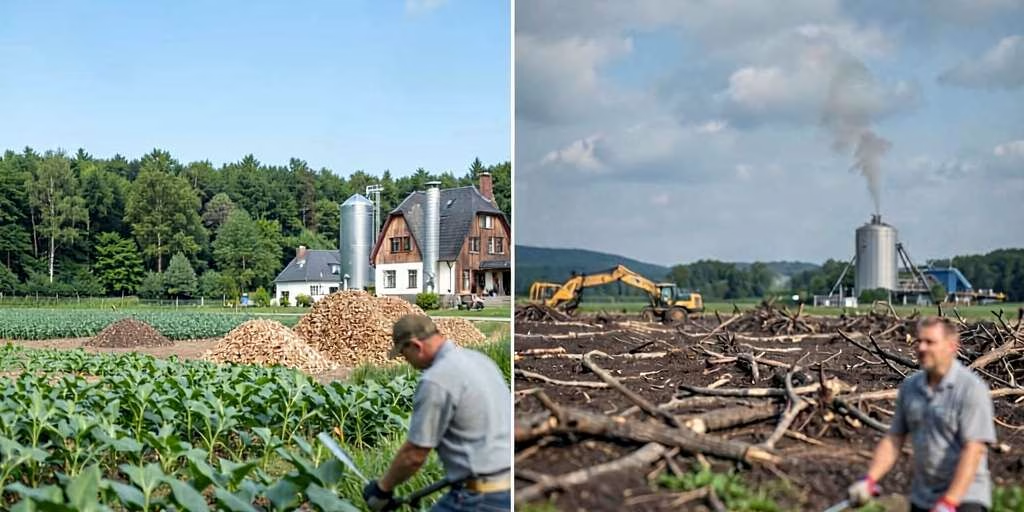
Biomass energy plays a significant role in Germany’s transition to renewable energy. It is derived from organic materials, providing an alternative to fossil fuels for electricity and heat production.
This article explores the pros and cons of biomass energy in Germany. It will discuss the various sources, environmental impacts, economic aspects, and opportunities for the future within this sector.
Biomass Energy Sources and Technologies
The utilization of biomass energy in Germany encompasses a variety of sources and technologies. This section explores the diverse types of biomass, their roles, and how they are integrated into the energy landscape.
Energy Crops and Their Role in Germany
Germany employs a variety of energy crops that are specifically cultivated for biomass energy production. These crops are essential for ensuring a sustainable and efficient energy supply.
Types of Energy Crops Used
- Corn
- Sugarcane
- Switchgrass
- Miscanthus
Sustainable Cultivation Practices
To minimize environmental impact, sustainable cultivation practices are implemented. Crop rotation, intercropping, and organic farming techniques contribute to soil health and biodiversity.
Solid Biomass Utilization
This section highlights the use of solid biomass, which consists mainly of wood and other organic residues. Solid biomass serves as a crucial component in energy generation.
Wood and Wood Residues
Wood from forestry operations, including residual materials like bark and sawdust, plays a significant role. These materials can be transformed into pellets or directly combusted in power plants.
Biomass Power Plants: Capacity and Distribution
The number of biomass power plants in Germany has increased significantly. These facilities are strategically distributed to efficiently harness local biomass resources and provide energy for surrounding communities.
Biogas Production from Organic Waste
Biogas production has become a vital aspect of biomass utilization. Organic waste, including food and agricultural residues, is converted into biogas through fermentation processes.
Biogenic Waste Fermentation Processes
Fermentation is achieved through anaerobic digestion, where microorganisms break down organic materials. This process not only produces biogas but also creates digestate that can be used as high-quality fertilizer.
Animal Manure and Biogas Plants
Animal manure is another significant feedstock for biogas production. Biogas plants convert this waste into renewable energy while simultaneously reducing environmental pollution.
Liquid Biomass and Biofuels
Liquid biomass encompasses various biofuels derived from organic materials, which contribute to Germany's energy mix.
Rapeseed Oil and Liquid Biomass Sources
Rapeseed oil is a prominent source of liquid biomass, frequently transformed into biodiesel. This biofuel is widely utilized for transportation and heating applications.
Power Generation from Liquid Biomass
Additionally, facilities generate electricity by utilizing liquid biomass in combined heat and power systems, enhancing the overall efficiency of energy production.
Environmental Impact of Biomass Energy in Germany
The use of biomass energy in Germany presents various environmental challenges that warrant careful consideration. Its environmental footprint involves carbon emissions, land use implications, and air quality concerns.
Carbon Neutrality and Greenhouse Gas Emissions
Carbon Cycle in Biomass Energy Production
Biomass energy generation is often touted for its carbon neutrality. When biomass is burned, it releases carbon dioxide; however, this CO2 is generally considered part of a closed carbon cycle. The organic materials used in biomass energy absorb CO2 during their growth, potentially offsetting emissions. Nonetheless, this balance may be disrupted depending on how the biomass is sourced and used, making sustainable management essential.
Comparison with Fossil Fuels and Other Renewables
Compared to fossil fuels, biomass can significantly reduce greenhouse gas emissions. However, the overall sustainability is influenced by factors such as production methods and transport distances. While it is more eco-friendly than fossil fuels, its efficiency relative to other renewable energy sources is an important discussion point in evaluating its role in the energy mix.
Land Use and Biodiversity Concerns
Deforestation and Habitat Loss
Harvesting biomass can lead to deforestation and subsequent habitat loss. Expanding energy crop plantations may encroach on natural ecosystems, negatively impacting biodiversity. Sustainable land-use practices become crucial to mitigate these effects.
Effects of Monoculture Energy Crops
Monoculture farming for energy crops can adversely affect soil health and local ecosystems. Relying on a single crop type often reduces biodiversity and makes ecosystems more susceptible to pests and diseases, thereby increasing the need for chemical inputs.
Air Quality and Health Implications
Pollutants from Biomass Combustion
The combustion of biomass can release particulate matter and other pollutants into the atmosphere. These emissions might lead to air quality issues in urban areas, potentially affecting public health.
Public Health Risks Associated with Biomass Smoke
Long-term exposure to fumes generated from biomass combustion has been linked to respiratory problems and cardiovascular diseases. Ensuring cleaner combustion technologies could help mitigate health risks associated with biomass energy.
Lifecycle Efficiency and Energy Balance
Energy Input vs. Energy Output in Biomass Systems
The sustainability of biomass energy can be challenged by its lifecycle efficiency. Evaluating the energy input versus the energy output is essential for measuring its overall effectiveness. In some cases, significant energy is consumed in cultivation, processing, and transportation.
Improvements in Conversion Technologies
Advancements in biomass conversion technologies are crucial for enhancing efficiency. Innovations in fermentation and gasification processes can help optimize energy extraction from biomass, making it a more viable renewable energy source in the long run.
The utilization of biomass energy has significant economic and social implications. This sector plays a vital role in local economies, job creation, and the overall development of rural areas in Germany.
Job Creation and Regional Development
The biomass industry generates numerous employment opportunities across various stages, from production to energy generation.
Employment in Biomass Production and Plant Operation
In Germany, jobs within the biomass sector encompass roles in agricultural production, processing facilities, and energy plants. Skilled labor is often required for managing biomass power plants, with positions related to engineering, operations, and maintenance. With renewable energy gaining momentum, both direct and indirect employment possibilities are expanding.
Economic Benefits for Rural Areas
Rural communities benefit significantly from biomass projects. Investment in biomass facilities stimulates local economies by creating jobs and supporting agriculture. Farmers can diversify their income by cultivating energy crops, thus enhancing their economic resilience. This supplemental income can foster growth in local businesses and infrastructure.
Financial Challenges and Investment Dynamics
Despite the benefits, the biomass sector faces financial hurdles that impact its growth potential.
Costs of Biomass Facilities and Infrastructure
The initial investment required to establish biomass power plants and infrastructure can be substantial. Costs encompass land acquisition, equipment, and operational setup. This financial barrier can deter potential investors, particularly in a competitive energy market.
Impact of Market Fluctuations on Biomass Supply
Market volatility affects biomass supply chains significantly. Price changes in agricultural commodities can lead to uncertainty in biomass feedstock availability. Such fluctuations may influence investment decisions and operational sustainability within the sector.
Regulatory Framework and Policy Changes
Recent regulatory adjustments have shaped the biomass landscape in Germany.
The Renewable Energy Act and Support Mechanisms
The Renewable Energy Act plays a pivotal role in promoting biomass utilization. It provides economic incentives for energy production from renewable sources, enhancing interest in biogas and solid biomass projects.
Compliance with EU Sustainability and Deforestation Laws
As Germany aligns with EU sustainability laws, the biomass sector must adhere to strict regulations governing environmental impact and deforestation. Compliance ensures that biomass production does not lead to unsustainable practices.
Influence of New Regulations on Biogas Plants
New regulations can impose additional requirements on biogas facilities. These changes may affect operational feasibility and investment, pushing the industry towards more sustainable practices. Adapting to these regulations is essential for long-term growth and acceptance within the broader energy market.
Integration of Biomass Energy into Germany’s Energy Mix
The integration of biomass energy is vital for achieving Germany's renewable energy objectives. This section explores its contributions to electricity and heat generation, as well as its interactions with other energy sectors.
Contribution to Electricity and Heat Generation
Biomass energy significantly contributes to Germany's supply of electricity and heat. Its integration into the energy mix is essential for reducing reliance on fossil fuels.
Biomass Share in the Renewable Energy Supply
In recent years, biomass has maintained a crucial role within the renewable energy supply. As of 2022, it accounted for a notable share of the total energy mix, emphasizing its importance in providing a stable source of energy.
Combined Heat and Power Plants and Grid Integration
Combined heat and power (CHP) plants leverage biomass for efficient energy production. These facilities produce both electricity and heating, enhancing overall energy efficiency and ensuring integration into the electricity grid.
Biomass in the Heating Sector
The heating sector benefits extensively from biomass energy due to its reliable and sustainable nature. This alternative heat source supports Germany’s transition to greener energy solutions.
Usage Patterns and Consumption Statistics
Usage patterns indicate an upward trend in biomass utilization for heating applications. Statistics reflect growing acceptance across households and industries, reinforcing its significance in thermal energy consumption.
Role in Reducing Fossil Fuel Dependency
Biomass is instrumental in alleviating Germany’s dependency on fossil fuels for heating. By substituting traditional energy sources with biomass, it contributes to a reduction in carbon emissions and promotes sustainability.
Biomethane and Natural Gas Network Injection
Biomethane production from biomass plays a critical role in Germany's energy strategy. This renewable gas can replace natural gas in existing infrastructures.
Production of Biomethane from Biogas
Biogas, produced from organic waste through anaerobic digestion, can be upgraded to biomethane. This process ensures a clean alternative for energy needs, aligning with environmental policies.
Integration into the Natural Gas Grid
The injection of biomethane into the natural gas grid is a forward-looking strategy. It not only enhances energy security but also further integrates biomass into Germany’s energy landscape.
Synergies with Other Renewable Energy Sources
Biomass energy exhibits strong synergies with other renewable sources, making it a versatile component of energy production.
Complementarity with Wind and Solar Energy
The reliability of biomass energy complements the intermittent nature of wind and solar energy. This synergy enhances overall energy stability and availability, contributing to grid resilience.
Enhancing Grid Stability and Energy Security
By providing a dependable source of energy, biomass reinforces grid stability. Its role in managing supply fluctuations is crucial for ensuring a secure and balanced energy system.
Future Opportunities and Innovation in Biomass Energy
The ongoing evolution of biomass energy presents a unique landscape for innovation and development within Germany's energy sector. New technologies and methods are progressively enabling more sustainable and efficient ways to harness biomass resources.
Advances in Biomass Conversion Technologies
Innovative approaches in biomass conversion are crucial for enhancing efficiency and reducing emissions associated with energy production.
Enhanced Fermentation and Gasification Methods
Recent advancements in fermentation technologies enable higher yields of biogas from organic materials. Gasification processes are also evolving, with new methods that improve the conversion of solid biomass into syngas, which can be further processed into various fuels.
Innovations in Biomass-to-Liquid Fuel Processes
Liquid fuels derived from biomass are gaining traction. Cutting-edge techniques are being developed to convert feedstocks such as agricultural residues into biofuels, enhancing the potential for sustainable transportation solutions.
Sustainable Feedstock Supply and Traceability
Ensuring a reliable and sustainable feedstock supply is pivotal for the biomass sector's growth. Advanced tracking and certification systems are helping to address concerns regarding sustainability.
Certification and Compliance Tools for Sustainable Sourcing
With increasing regulatory focus on sustainability, tools that certify biomass sourcing are becoming essential. These tools facilitate the assurance that biomass is harvested responsibly, complying with EU regulations.
Technologies for Monitoring Land Use and Deforestation
Innovations in satellite monitoring and data analytics are allowing stakeholders to track land use changes effectively. These technologies help ensure that biomass production does not contribute to deforestation or ecosystem degradation.
Role of Research and Development in Sector Growth
Research and development play a vital role in fostering innovation in biomass energy. Investments in R&D are necessary to elevate the industry’s technological capabilities.
Public and Private Investments
Collaborative efforts between public institutions and private enterprises are generating funding opportunities for new biomass initiatives. Such investments are essential to drive the sector forward.
Collaboration Across German Industry and Research Institutions
Partnerships among universities, research centers, and industry players are facilitating knowledge exchange and accelerating advancements in biomass technologies. This collaboration is key to overcoming existing challenges.
Expanding Biomass Applications and Markets
The versatility of biomass allows for various applications beyond energy generation, encouraging market expansion and innovation.
Use in Transportation Fuels and Alternative Energy Carriers
Biomass is increasingly being recognized as a vital source for sustainable transportation fuels. Processes to convert biomass into biodiesel and bioethanol are expanding, improving energy diversity.
New Business Models and Value Chains
Emerging business models that incorporate biomass into the circular economy are being developed. These models aim to maximize resource efficiency and create greater value from biomass utilization.
Leave a Reply