Geothermal Energy Europe Regulations: A Comprehensive Overview
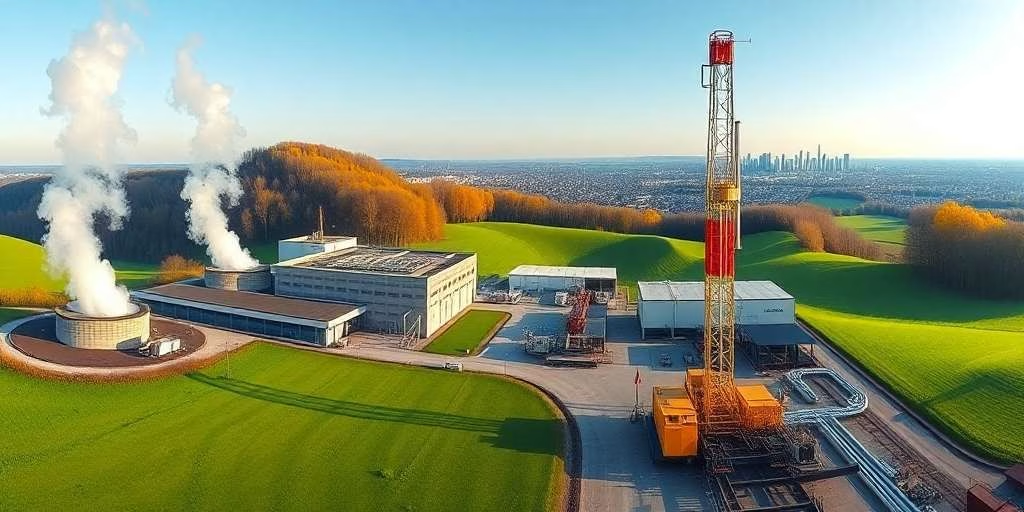
Geothermal energy is gaining importance in Europe as a renewable source. Regulations play a critical role in its development and integration into the energy mix. This article examines the regulatory framework shaping the geothermal sector across the EU and member states.
It will cover key directives, national policies, challenges, and innovations. Understanding these regulations can help stakeholders navigate the landscape and promote sustainable geothermal energy use.
- Overview of the European Regulatory Framework for Geothermal Energy
- National Policies and Regulatory Challenges for Geothermal Energy
- Technologies and Innovations Driving Geothermal Energy Development
- Projects and Stakeholder Collaboration in the European Geothermal Sector
- Future Prospects and Policy Recommendations for Geothermal Energy
Overview of the European Regulatory Framework for Geothermal Energy
The regulatory environment for geothermal energy in Europe is shaped by various directives and policies that facilitate its adoption and integration into the energy mix. This framework aims to promote sustainable development while ensuring environmental protection and energy efficiency.
Key European Directives Affecting the Geothermal Sector
Several directives play a significant role in shaping the landscape of geothermal energy in Europe. Each directive addresses distinct aspects of energy policy.
Renewable Energy Directive and Its Impact on Geothermal Development
This directive emphasizes the importance of increasing renewable energy sources within the European Union. It establishes ambitious targets for member states, creating an essential foundation for geothermal energy projects. By setting binding requirements, it incentivizes investments and promotes the use of geothermal resources.
Energy Efficiency Directive and Geothermal Integration
Focusing on improving energy efficiency across various sectors, this directive supports the integration of geothermal systems into heating and cooling applications. This contributes to reduced energy consumption and aligns with broader sustainability goals.
Environmental Impact Assessment Rules for Geothermal Projects
Environmental regulations require that geothermal projects undergo thorough assessments to evaluate their potential environmental impacts. This ensures that geothermal energy development considers ecological implications, safeguarding natural resources.
Role of the European Commission in Geothermal Policy and Support
The European Commission plays a vital role in shaping geothermal policy and providing support at multiple levels of governance.
Coordination with National Authorities and Local Level Implementation
Effective coordination between the European Commission and national authorities is essential for successful geothermal project implementation. This collaborative effort fosters consistency in applying regulatory requirements across member states.
Funding Mechanisms and Innovation Support Programs
The European Commission also offers various funding mechanisms and innovation programs, such as Horizon Europe, aimed at supporting research and development in the geothermal sector. These initiatives enable advancements in technology and facilitate the growth of the geothermal market.
National Policies and Regulatory Challenges for Geothermal Energy
National policies play a pivotal role in shaping the landscape for geothermal energy development across Europe. Various regulatory challenges must be navigated to align with broad environmental goals.
National Energy Targets Aligned with European Climate and Energy Framework
Countries are striving to align their national energy targets with the European Climate and Energy Framework. This alignment ensures that member states contribute effectively to collective climate objectives while stimulating local geothermal projects.
Case Studies: Germany, France, and Poland
Germany, France, and Poland are leading examples of how national energy policies can support geothermal initiatives. Each country has set unique targets that encourage investment and development in geothermal technology, achieving deeper integration within their energy systems.
Integration of Geothermal Heat into District Heating Systems
Integrating geothermal heat into existing district heating systems is essential. Such practices enhance energy efficiency and reduce reliance on fossil fuels. By optimizing these networks, countries benefit from improved sustainability and reliability in energy supply.
Licensing, Permitting, and Compliance Procedures
A robust licensing and permitting framework is crucial for facilitating geothermal project development. These procedures can often be cumbersome and require careful compliance with various regulations.
Streamlining Administrative Rules for Project Development
Streamlining administrative frameworks is necessary to accelerate the approval process for geothermal projects. Efficient project development timelines can lead to increased investment and quicker deployment of necessary technologies.
Environmental and Safety Regulations in the Geothermal Sector
Adhering to environmental and safety regulations remains a priority within the geothermal industry. Ensuring the sustainable extraction and utilization of geothermal resources is vital for minimizing ecological impact and protecting community interests.
Overcoming Barriers to Investment and Market Expansion
Investment barriers significantly hinder the growth of geothermal energy. Addressing these challenges is vital for expanding market opportunities.
- High upfront costs can deter potential investors.
- Lack of awareness about geothermal benefits contributes to slow acceptance.
- Limiting factors include technical risks and insufficient infrastructure.
Mitigating these barriers will be essential for unlocking the full potential of geothermal energy.
Technologies and Innovations Driving Geothermal Energy Development
Innovation plays a crucial role in advancing geothermal energy. Various technologies are emerging to improve efficiency and sustainability within the sector.
Advances in Geothermal Heat Pumps and Cooling Systems
The development of geothermal heat pumps and cooling systems has made significant progress in recent years, enhancing overall energy efficiency. These systems extract heat from the ground, providing a sustainable solution for both heating and cooling.
Efficiency Improvements and Affordability
Recent advancements have led to major improvements in the efficiency of geothermal heat pumps. As technology evolves, installation costs are decreasing, making these systems more accessible for a wider range of consumers.
Integration with Renewable Energy Systems and Heat Networks
Geothermal heat pumps can be effectively integrated with other renewable energy sources, such as solar and wind. By collaborating within regional heat networks, these systems enhance energy distribution and utilization.
Extraction of Critical Materials from Geothermal Processes
Geothermal energy has the potential to recover critical materials essential for modern technologies. This creates additional benefits for the energy sector and the economy as a whole.
Lithium Recovery and Its Regulatory Implications
The extraction of lithium from geothermal brines presents an exciting opportunity. Regulatory frameworks will need to adapt to account for this emerging practice, ensuring that resource recovery is sustainable and environmentally responsible.
Circular Economy Approaches in the Geothermal Sector
Emphasizing a circular economy, geothermal projects can incorporate resource reuse and efficiency. This approach reduces waste and encourages sustainable practices, aligning with broader environmental goals.
Research and Development Priorities Supported by European Green Deal
Research and development are fundamental for the growth of geothermal energy. European initiatives are prioritizing innovative solutions to enable the sector's expansion under the European Green Deal.
Investments in R&D are directed towards enhancing technology efficiency and reducing costs. This focus accelerates the transition towards sustainable energy systems, paving the way for a greener future.
Projects and Stakeholder Collaboration in the European Geothermal Sector
Collaboration among various stakeholders is essential for advancing geothermal energy projects across Europe. The joint efforts of public institutions, private entities, and local communities are driving momentum in the sector.
European-Level Initiatives and Funding Programs
Several initiatives exist to support geothermal energy at the European level, encouraging innovation and collaboration.
Horizon Europe Projects and Innovation Platforms
Horizon Europe funds a range of research and development projects aimed at enhancing geothermal technologies. These projects focus on improving efficiency, reducing costs, and integrating geothermal systems into existing energy frameworks. Innovation platforms serve as meeting points for experts to share knowledge and best practices.
EGEG European Geothermal Energy Council’s Role
The EGEG plays a pivotal role in advocating for geothermal energy. By providing guidance on policy, promoting industry standards, and facilitating communication among stakeholders, the council fosters an environment conducive to growth and investment in geothermal resources.
Local and Industrial Sector Engagement
Strong engagement at both local and industrial levels is critical for the successful deployment of geothermal projects. This ensures that community needs and industrial requirements are met.
Public-Private Partnerships in Geothermal Heating and Electricity
Public-private partnerships are vital in financing and developing geothermal heating and electricity generation. These collaborations leverage resources and expertise from both sectors, enhancing project viability and sustainability.
Community Acceptance and Environmental Considerations
Engaging local communities and addressing environmental impacts is essential for the acceptance of geothermal projects. Early consultations and transparency can build trust and support for new initiatives, ultimately leading to smoother project implementation.
Monitoring, Reporting, and Results from Funded Projects
Tracking progress in geothermal projects is important for accountability and strategic planning. Monitoring systems provide data on performance and impacts, while reporting mechanisms ensure stakeholders are informed about project outcomes.
Future Prospects and Policy Recommendations for Geothermal Energy
The future of geothermal energy in Europe is promising, necessitating strategic policy recommendations that align with sustainability goals. Enhanced regulatory frameworks and support measures will be crucial in driving this sector forward.
Aligning Geothermal Development with European Green Deal Targets
Strengthening the Regulatory Framework for Market Growth
A robust regulatory framework is essential for fostering market growth in geothermal energy. Establishing clear guidelines and reducing bureaucratic hurdles will attract investments. This framework must prioritize sustainability while providing a stable environment for developers.
Enhancing Energy System Integration and Resilience
Integrating geothermal energy into the broader energy system enhances overall resilience. Coordination between various energy sources, including solar and wind, can improve efficiency. Smart grids and storage solutions will play a key role in this integration, ensuring reliable energy supply.
Support Measures for an Affordable and Sustainable Energy Transition
Incentives for Industrial and Local Level Adoption
Incentives are vital for encouraging both industrial and local adoption of geothermal technologies. Financial support, tax benefits, and grants can motivate stakeholders to invest in geothermal solutions. This will foster a competitive market that advances innovation.
Capacity Building and Skills Development in the Geothermal Sector
Investing in capacity building and skills development is critical for the geothermal sector's growth. Educational programs and training initiatives will develop a knowledgeable workforce. Collaboration between educational institutions and industry will further enhance skill sets.
Leave a Reply