Tidal Energy EU Sustainable Solutions for a Greener Future
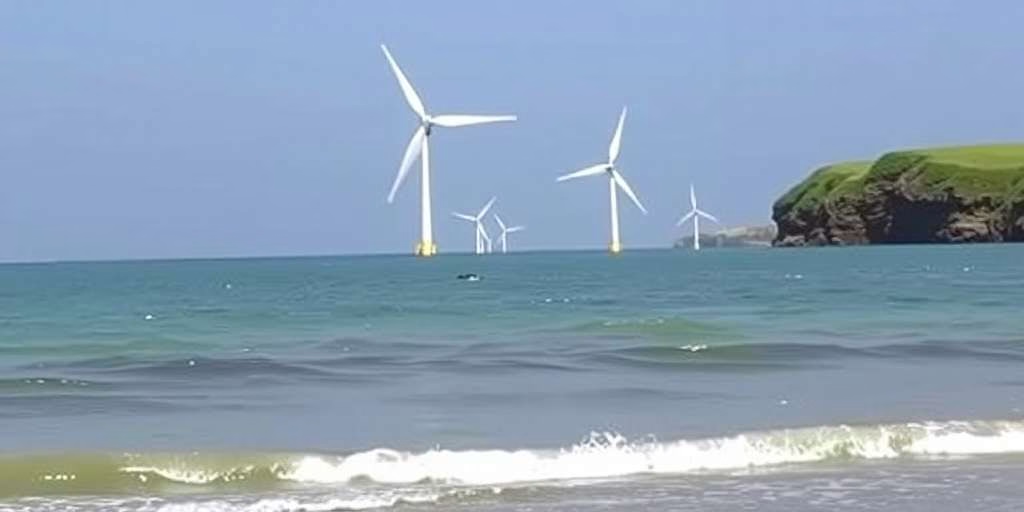
Tidal energy is an emerging renewable resource in the EU, driven by the need for sustainable energy solutions. By leveraging the predictable movements of ocean tides, tidal energy can significantly contribute to reducing greenhouse gas emissions.
Various technologies, such as tidal stream and tidal range systems, are being developed and implemented across Europe. These innovations align with the EU's commitment to meet renewable energy targets and combat climate change through sustainable energy practices.
- Tidal Energy Technology and Innovation
- European Policy and Strategy for Sustainable Tidal Energy
- Research, Development, and Funding Support for Tidal Energy
- Market Development and Commercialization of Tidal Energy
- Environmental and Sustainability Challenges in Tidal Energy
- Future Opportunities and Innovations in European Tidal Energy
Tidal Energy Technology and Innovation
Tidal energy technology is poised to play a vital role in the sustainable energy landscape of the European Union. Innovations in both tidal stream and tidal range systems are enhancing the efficiency and viability of this renewable energy source.
Tidal Stream Energy Systems
The development of tidal stream energy systems has accelerated with advances in design and engineering. Companies and researchers are continuously working on optimizing turbine designs to increase energy capture from tidal currents.
Design and Engineering of Tidal Stream Energy Devices
Designing effective tidal stream devices involves addressing various engineering challenges. Factors such as size, shape, and material choice critically affect turbine performance and durability. Innovative designs are being tested to improve water flow efficiency and minimize maintenance needs. Hydrodynamic modeling plays a key role in predicting the performance of these devices under different tidal conditions.
Performance and Efficiency Metrics for Tidal Stream Technologies
Metrics for evaluating the performance of tidal stream technologies are crucial. These include energy capture efficiency, operational availability, and cost per megawatt-hour. Ongoing research focuses on increasing efficiency rates, aiming for sustainable production levels that can compete with other renewable sources.
Integration with Offshore Wind and Other Renewable Energy Systems
Integrating tidal stream systems with offshore wind farms offers synergies that can enhance overall energy output. Such collaborations can lead to more stable energy supply and improved grid resilience. Efficient energy management systems are essential to harmonize operations between different renewable sources, maximizing the use of available resources.
Tidal Range Energy Technology
Tidal range systems utilize the height difference between high and low tides, creating significant energy potential. Technological advancements in this area are crucial for expanding tidal energy's role in the renewable energy mix.
Barrage Structures and Turbine Engineering
Barrage structures, which create reservoirs to harness tidal differences, require sophisticated engineering solutions. Turbine designs must be robust enough to withstand harsh marine conditions while maintaining high efficiency. Innovations in turbine technology are focused on increasing energy output and reducing ecological impacts.
Environmental Adaptations in Tidal Range Projects
As tidal range projects develop, environmental considerations are paramount. Adaptations may include designing barrages that minimize disruption to local ecosystems and fish migrations. Sustainable practices ensure that these projects align with conservation efforts while meeting energy production goals.
Advances in Tidal Power Plants Design
Modern tidal power plants are evolving to include advanced technologies that optimize performance. Features such as real-time monitoring systems enhance operational efficiency and facilitate adaptive management strategies. Ongoing research into innovative plant designs aims to reduce costs and increase environmental sustainability.
Ocean Energy Technologies and New Developments
Ocean energy, encompassing both tidal and wave energy technologies, is gaining traction in Europe. The synergy between these systems can potentially lead to greater energy production and improved system resilience.
Wave and Tidal Synergies for Energy Production
Combining wave and tidal energy initiatives allows for more consistent energy generation throughout the year. This approach capitalizes on different energy capture mechanisms, offering a diversified renewable energy portfolio. Research into dual-use systems is underway, exploring ways to enhance output from existing marine infrastructure.
Emerging Energy Technologies in Ocean Energy Systems
Innovative technologies are continually emerging in ocean energy systems, driving efficiency and cost-effectiveness. Breakthroughs such as enhanced materials for turbines and energy storage solutions are crucial. These advancements address limitations faced by current systems and pave the way for wider adoption.
Artificial Intelligence and Digitalization in Tidal Energy Management
The integration of artificial intelligence (AI) into tidal energy management systems is revolutionizing operational efficiency. AI facilitates predictive maintenance, optimizes energy generation schedules, and enhances real-time monitoring capabilities. Digitalization is redefining how tidal energy assets are managed, setting the stage for a more responsive energy system.
European Policy and Strategy for Sustainable Tidal Energy
Understanding the framework surrounding sustainable tidal energy is essential for its development in Europe. This section delves into the relevant policies and strategies shaping the landscape of tidal energy resource management.
EU Renewable Energy Policy and Strategic Energy Technology Initiatives
The European Green Deal and Clean Energy Transition
The European Green Deal is a comprehensive roadmap aimed at making Europe the first climate-neutral continent. It encompasses various initiatives that promote the transition to clean energy, including the encouragement of tidal energy development. By prioritizing renewable sources, the EU aims to significantly reduce greenhouse gas emissions, create job opportunities, and foster sustainable economic growth.
Fit for 55 Package: Impact on Tidal Energy Development
The Fit for 55 package is a crucial part of the EU's climate strategy, aiming to reduce net greenhouse gas emissions by at least 55% by 2030. This ambitious plan includes measures that directly benefit tidal energy projects, such as enhancing funding availability, simplifying legislation for project implementation, and fostering innovation in clean technologies. Such supportive measures are essential to encourage investment in tidal energy initiatives.
Offshore Renewable Energy Strategy and Maritime Spatial Planning
To achieve its renewable energy goals, the EU has established an Offshore Renewable Energy Strategy that outlines plans for developing marine energies, including tidal and wave energy. Maritime spatial planning is a vital component of this strategy, facilitating the organized and sustainable use of marine space for energy projects. This approach fosters synergies between different renewable technologies while minimizing environmental impacts and conflicts with other marine activities.
Regulatory Framework for Tidal Energy Projects
Permitting, Planning, and Legal Considerations
The permitting and planning processes for tidal energy projects are essential for ensuring compliance with environmental regulations. The EU provides a regulatory framework that stipulates the necessary permits required for development. Streamlining these processes while ensuring that all environmental considerations are met is crucial to expedite project timelines while safeguarding marine ecosystems.
Privacy Policy Legal and Policy Legal Notice in Energy Infrastructure
Energy infrastructure projects must adhere to strict privacy and legal policies to protect sensitive information. In tidal energy development, safeguarding data related to environmental assessments and project financing is paramount. Establishing clear policies helps maintain transparency while promoting trust among stakeholders and the public.
Regional Cooperation and Alignment on Energy Goals
Collaboration among EU member states is vital for achieving cohesive energy objectives. By aligning local policies and sharing best practices, countries can enhance the effectiveness of their tidal energy initiatives. Regional cooperation not only boosts efficiency but also fortifies the overall energy transition across Europe.
Sustainability Strategy and Environmental Compliance
Environmental Monitoring and Impact Mitigation
Continuous environmental monitoring is a fundamental aspect of tidal energy projects to mitigate ecological impacts. Implementing robust monitoring protocols ensures that potential harm to marine life and habitats is addressed promptly. It is critical to adopt measures that minimize the ecological footprint during the lifecycle of tidal energy developments.
Adaptive Management for Marine Renewable Energy Projects
Adaptive management practices support the responsiveness of tidal energy projects to changing environmental conditions. This strategic approach involves regular evaluations and adjustments based on real-time data. Engaging relevant stakeholders and environmental organizations enhances the mitigation efforts and develops comprehensive management strategies.
Compliance with EU Sustainability Standards
Ensuring that tidal energy projects comply with established EU sustainability standards is crucial. This compliance demonstrates a commitment to environmentally responsible energy production and secures funding opportunities. Meeting these standards not only legitimizes projects but also reinforces public acceptance and support.
Research, Development, and Funding Support for Tidal Energy
Research, development, and funding are vital components for advancing tidal energy technologies in Europe. These efforts focus on enhancing efficiency, reducing costs, and fostering collaboration among stakeholders in the energy sector.
Horizon Europe and Funding Research Infrastructures
The Horizon Europe program serves as a foundational pillar in financing innovative tidal energy projects. This EU funding initiative supports various research infrastructures aimed at boosting the transition to sustainable energy solutions.
EU Funding Instruments for Tidal Energy Projects
Within Horizon Europe, specific funding instruments have been established to target tidal energy initiatives. These instruments facilitate access to financial resources that allow researchers and companies to develop cutting-edge technologies. Through competitive grants, projects can secure necessary funding to tackle the technological and environmental challenges associated with tidal energy systems.
Collaboration Between Universities, Research Institutions, and Industry
Collaboration plays a crucial role in evolving tidal energy technologies. Partnerships among universities, research institutions, and industry stakeholders foster a synergistic environment for innovation. Joint research initiatives enable the sharing of expertise, resources, and best practices, emphasizing the importance of interdisciplinary approaches to ocean energy development.
Support and Innovation Platforms: European Technology and Innovation Platform (ETIP)
The European Technology and Innovation Platform (ETIP) is a key player in promoting technological advancements in tidal energy. ETIP serves as a collaborative platform that brings together stakeholders from various sectors to discuss research priorities, share knowledge, and coordinate actions aimed at stimulating innovation and investment in ocean energy technologies.
The EURO-TIDES Project
As one of the most significant initiatives in tidal energy research, the EURO-TIDES project aims to establish a practical framework for deploying tidal energy technologies. It highlights strategic efforts to enhance the viability and scalability of tidal energy solutions.
Objectives and Technology Deployment at EMEC Orkney
The EURO-TIDES project focuses on deploying a pilot tidal array at the European Marine Energy Centre (EMEC) in Orkney. This project serves as a testing ground for advanced tidal stream technologies and aims to demonstrate the practical applicability of innovative designs. Through this deployment, valuable data will be collected to refine future projects and improve system performance.
Risk Reduction and Cost Optimization Strategies
To address challenges in tidal energy deployment, the EURO-TIDES project prioritizes risk reduction and cost optimization. By leveraging advanced engineering practices and streamlined processes, the project aims to minimize operational risks while enhancing economic feasibility. Such strategies are crucial for enhancing stakeholder confidence and promoting wider adoption of tidal energy technologies.
Performance Assessment and International Standards Compliance
The focus on performance assessment ensures that technologies deployed under the EURO-TIDES project meet international standards. This compliance is essential for validating efficiency and demonstrating the reliability of tidal energy systems. Detailed performance evaluations are necessary for securing funding and fostering investment in the tidal energy sector.
Training and Capacity Building for Tidal Energy Engineering
Human capital development is integral to advancing tidal energy technologies. A skilled workforce is essential for the successful deployment and operation of tidal systems. Training and capacity-building initiatives focus on equipping the next generation of engineers and technicians with the necessary skills and knowledge.
Knowledge Transfer and Workforce Development
Programs aimed at knowledge transfer facilitate the dissemination of expertise among professionals in the field. Workshops, seminars, and internships are essential in fostering workforce development, allowing individuals to gain practical experience in tidal energy engineering. Such initiatives ensure that the workforce is prepared to navigate the complexities of emerging technologies.
Research and Innovation in Engineering Practices
Ongoing research and innovation in engineering practices serve to enhance the efficiency of tidal energy systems. Cutting-edge research in this domain focuses on improving design methodologies, material usage, and energy conversion efficiency. The continuous evolution of engineering practices leads to more robust and effective tidal energy solutions.
Opportunities for Academic and Industrial Partnerships
Collaboration between academia and industry presents significant opportunities for innovation in tidal energy. Academic institutions can contribute fundamental research while industry partners focus on applied technologies. These partnerships are pivotal in advancing the commercial viability of new tidal energy solutions, ultimately leading to a more sustainable and resilient energy landscape.
Market Development and Commercialization of Tidal Energy
The growth of tidal energy technologies is essential for establishing a commercial framework that supports their integration into the European energy market. This section delves into the crucial aspects influencing market development and the successful commercialization of tidal energy systems.
Cost Reduction and Levelized Cost of Energy (LCOE) Improvements
Achieving cost parity with other renewable energy sources is vital for the successful deployment of tidal energy. A key focus is on reducing the Levelized Cost of Energy (LCOE).
Economic Feasibility and Competitiveness with Other Renewables
Tidal energy projects must demonstrate their economic viability compared to established renewables like wind and solar. By optimizing design and technology, the LCOE can decrease, making tidal energy a more attractive option for investors.
Financial Instruments for Developers and Investors
The success of tidal energy commercialization relies heavily on available financial support. Various financial instruments are needed to help developers secure funding and reduce investment risks. Public funding, private investments, and innovative financing mechanisms can be pivotal for catalyzing project execution.
Standardization and Interoperability of Energy Technology Sets
Creating standardized processes and technologies lays the foundation for expanding tidal energy horizons. Ensuring interoperability among different tidal devices promotes efficiency and reduces deployment barriers across various regions.
Infrastructure Development and Energy System Integration
Integrating tidal energy into existing energy infrastructures remains a challenge. Developing supportive infrastructure is paramount for optimizing energy production and distribution.
Grid Connection and Energy Storage Solutions
Connecting tidal energy systems to the national grid is essential for reliable energy supply. Energy storage solutions must also be implemented, allowing for the accommodation of fluctuations in energy production due to tidal cycles.
Maritime Spatial Planning for Energy Infrastructure Deployment
Effective maritime spatial planning can streamline the deployment of tidal energy projects. By allocating designated areas for energy generation, potential conflicts with other maritime activities can be minimized.
Synergies with Offshore Wind Energy and Marine Renewable Systems
Combining tidal energy with offshore wind farms can enhance overall energy production efficiency. The interconnectedness of these systems can lead to optimized resource management and improved grid stability.
Market Confidence and Stakeholder Engagement
Building confidence in tidal energy markets is critical for attracting investment and support from various stakeholders.
Public-Private Partnerships and Investment Mobilization
Public-private partnerships serve as a bridge between government objectives and private sector capabilities. Mobilizing investment through these collaborations facilitates the execution of tidal energy projects.
Joint Research Ventures and Knowledge Exchange
Fostering joint research initiatives among universities, industry leaders, and governmental organizations can yield innovations in tidal technologies. Sharing insights promotes advanced solutions and mitigates the challenges faced in tidal energy development.
Community Involvement and Social Acceptance
Engaging local communities is essential in ensuring social acceptance of tidal energy projects. Transparent communication and active involvement can bolster public support, ultimately influencing project success.
Environmental and Sustainability Challenges in Tidal Energy
Understanding the environmental and sustainability challenges associated with tidal energy is vital for its successful implementation. These challenges revolve around safeguarding marine biodiversity and ensuring minimal ecological impacts while advancing renewable energy goals.
Marine Biodiversity and Ecosystem Protection
Marine ecosystems are delicate and can be significantly affected by the introduction of tidal energy systems. Assessments are crucial to evaluate potential impacts on marine life.
Environmental Impact Assessments and Monitoring Protocols
Conducting thorough environmental impact assessments (EIAs) before the deployment of tidal energy projects is essential. These assessments help identify potential risks to marine biodiversity and allow for the establishment of monitoring protocols to mitigate adverse effects during the operational phase.
Minimizing Ecological Footprint through Innovative Design
Designing tidal energy devices that minimize ecological footprints is a priority. Employing innovative engineering solutions can lead to structures that interact less destructively with surrounding marine ecosystems. Technologies that reduce noise, physical disruption, and visual impacts are being developed to enhance overall sustainability.
Case Studies on Habitat Preservation and Species Protection
Several case studies highlight successful habitat preservation efforts in tidal energy projects. Implementing protective measures for sensitive species is critical, alongside strategies that promote ecological health, ensuring that renewable energy advances do not come at the expense of marine biodiversity.
Adaptive Management Practices for Sustainable Development
Adaptive management practices are pivotal for ensuring that tidal energy projects evolve based on performance and environmental feedback.
Real-Time Environmental Data and Decision Making
The integration of real-time monitoring systems enables continuous assessment of environmental conditions and the performance of tidal energy installations. This data informs immediate decision-making, promoting greater responsiveness to unforeseen ecological changes.
Continuous Improvement through Research and Feedback Loops
Ongoing research is essential for learning from tidal energy operations. Feedback loops from environmental monitoring allow for adaptive strategies that enhance sustainability, ensuring projects can adjust based on their impact on local marine ecosystems.
Engagement with Environmental Stakeholders and NGOs
Collaboration with environmental stakeholders, including non-governmental organizations (NGOs), fosters constructive dialogue about the impact of tidal energy projects. Engaged stakeholders often provide valuable insights that can help shape practices, ensuring better alignment with environmental objectives.
Sustainability Reporting and Transparency
Sustainability reporting is becoming increasingly important as tidal energy projects seek to demonstrate their commitment to environmental protection.
Standards for Sustainability Reporting in Energy Projects
There is a growing need for standardized sustainability reporting frameworks within the tidal energy sector. These standards ensure that projects transparently disclose their environmental impacts and adherence to sustainability practices, leading to heightened public trust.
Legal Requirements and Voluntary Certifications
Compliance with legal requirements is necessary for tidal energy projects to operate successfully. In addition, pursuing voluntary certifications can further enhance credibility, showcasing a commitment to high sustainability standards.
Role of Transparency in Enhancing Project Credibility
Transparency in operations and sustainability efforts plays a crucial role in building credibility among stakeholders and the public. Clear communication about environmental impacts and mitigation strategies can enhance project acceptance and support for future initiatives.
Future Opportunities and Innovations in European Tidal Energy
The landscape of tidal energy in Europe is evolving rapidly, with significant advancements on the horizon. Technological innovations, enhanced operational strategies, and educational initiatives are set to define the future of this renewable energy sector.
Integration of AI and Digital Technologies in Energy Systems
The incorporation of artificial intelligence (AI) and digital technologies stands to revolutionize the management and efficiency of tidal energy systems. With such innovations, the optimization of energy production and resource management is becoming increasingly feasible.
Predictive Maintenance and Resource Optimization
Utilizing AI-driven analytics facilitates predictive maintenance capabilities. Tidal energy devices can be equipped with sensors that monitor performance metrics in real time. This proactive approach minimizes downtime, extends the lifespan of equipment, and ensures operational efficiency.
Data Analytics for Performance and Environmental Management
Data analytics plays a crucial role in enhancing both performance and environmental management within tidal energy projects. By employing big data analysis, project managers can assess energy production patterns and environmental impacts, allowing for informed decision-making that balances energy generation and ecological preservation.
Cybersecurity and Privacy Considerations in Energy Technology
As digital technologies gain prominence, so do the challenges associated with cybersecurity. Protecting sensitive operational data and ensuring the integrity of tidal energy infrastructure requires robust cybersecurity measures. These considerations are essential to safeguard both the technology and the environment.
Expansion of Ocean Energy and Marine Renewable Projects
The potential for growth within ocean energy projects is substantial, particularly in scaling technology to achieve larger energy outputs and establishing transnational collaborations.
Scaling Technology for Larger Energy Outputs
Advancements in tidal energy devices aim to harness larger volumes of energy from tidal currents. This scaling is crucial for making tidal energy competitive with other established renewables. Innovations in design and engineering will enhance the efficiency of energy capture, contributing to an increased energy margin.
Cross-Border Projects and Regional Development Initiatives
Regional cooperation enhances the development of cross-border tidal energy projects. Collaborative frameworks facilitate knowledge sharing and investment, promoting innovation across nations. Such synergies can lead to the establishment of integrated marine renewable systems that leverage individual countries' strengths.
Opportunities for Innovation in Energy Devices and Structures
New innovations in energy devices and structures are necessary to improve the feasibility and sustainability of tidal energy projects. Research is focused on creating more effective, environmentally-friendly materials and designs that reduce ecological impacts while maximizing energy output.
Training, Education, and Capacity Building for the Future Workforce
Building a skilled workforce is essential for the advancement of tidal energy technology. Educational institutions and industry partnerships play a pivotal role in developing competencies in sustainable energy engineering.
Developing Skills for Sustainable Energy Engineering
As the demand for professionals in the renewable energy sector grows, focused training programs can prepare individuals for careers in tidal energy. Tailored curricula addressing specific technical skills can enhance the workforce's capabilities in the sector.
Curriculum Development and Research: The Universities’ Role
Universities are instrumental in the development of innovative curricula that integrate research with practical applications. Collaborative workshops and hands-on projects enable students to apply their knowledge in real-world scenarios, fostering a culture of innovation.
International Cooperation and Knowledge Sharing
International collaboration is critical for knowledge sharing and best practices in tidal energy development. Such partnerships enable countries to address common challenges, share insights on technological advancements, and harmonize regulatory frameworks.
Leave a Reply