Natural Hair Masks: Effective Solutions for Healthy Hair
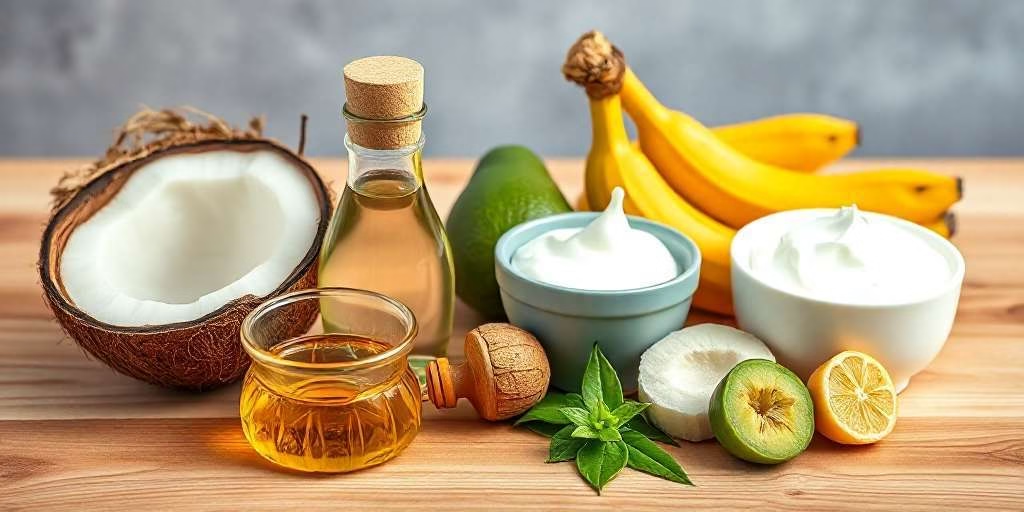
Natural hair masks offer an effective way to care for hair using simple, natural ingredients. They provide various benefits, such as hydration, strengthening, and promoting growth without harmful chemicals.
These masks can be easily made at home with everyday items. Understanding the key ingredients and techniques is essential for achieving the best results for different hair types and conditions.
The Benefits of Natural Hair Masks
Utilizing natural ingredients for hair care yields numerous advantages that can enhance overall hair health. The following sections detail these benefits and how they contribute to the vitality of hair.
Hydration and Moisture
One of the primary advantages of natural hair masks is their ability to provide deep hydration. Ingredients such as coconut oil and avocado are rich in fatty acids that penetrate the hair shaft, delivering moisture where it is needed most. Regular use of these masks helps in maintaining a proper moisture balance, resulting in soft and supple hair.
Natural hair masks effectively combat dryness by forming a protective barrier around the hair strands, preventing moisture loss. This can be particularly beneficial during harsh weather conditions, keeping hair safe from environmental stressors.
Strengthening Hair Follicles
Another significant benefit involves the strengthening of hair follicles. Many natural ingredients are packed with essential vitamins and minerals that nourish the scalp and hair roots. Vitamin E, for example, found in various oils like olive oil and argan oil, promotes healthy hair growth and fortifies each strand.
Natural masks not only help in rebuilding and strengthening the hair structure but also minimize the risk of breakage. By consistently using these treatments, individuals can achieve stronger and more resilient hair over time.
Reducing Dry and Damaged Hair
For those struggling with dry or damaged hair, natural hair masks serve as an excellent remedy. The hydrating properties of honey and yogurt, combined with the nourishing elements of oils, repair damaged cuticles and restore hair's natural shine. They effectively reduce frizz and enhance hair manageability.
Incorporating ingredients that are rich in antioxidants helps in fighting oxidative stress, which often contributes to hair damage. This ensures that hair remains protected against further wear and tear.
Promoting Hair Growth
The promotion of hair growth is another vital benefit associated with natural hair masks. Ingredients such as castor oil and aloe vera are known for their ability to stimulate circulation in the scalp, which increases blood flow to the hair follicles. Better circulation provides hair with vital nutrients and oxygen, encouraging faster and healthier growth.
Using these masks on a regular basis can significantly impact growth rates, resulting in fuller and thicker hair. Furthermore, they can help reduce hair thinning and loss, making them a popular choice for those experiencing such issues.
Key Ingredients for Effective Hair Care
The incorporation of natural ingredients can significantly enhance the effectiveness of hair masks. These components are renowned for their beneficial properties, providing nourishment and support for various hair types and conditions.
Coconut Oil and Its Advantages
This oil is celebrated for its deep moisturizing abilities. Its unique composition allows it to penetrate the hair shaft more effectively than many conventional oils. Coconut oil is rich in fatty acids and has antimicrobial properties, which can help maintain a healthy scalp. The advantages of using coconut oil in hair care include:
- Reduction in protein loss
- Enhanced moisture retention
- Improved hair texture and shine
- Strengthening of hair strands
- Prevention of split ends
The Power of Olive Oil
Olive oil is not just a kitchen staple; it is also a powerful ingredient for hair health. Known for its rich antioxidant content, olive oil works to hydrate and protect hair while adding a natural shine. Its emollient properties make it ideal for softening hair and reducing frizz. Key benefits include:
- Providing essential vitamins and nutrients
- Repairing and protecting damaged hair
- Improving scalp health due to its anti-inflammatory properties
- Enhancing manageability of coarse or curly hair
Benefits of Honey in Hair Masks
Honey is more than just a natural sweetener; it is a humectant, meaning it attracts moisture. Its natural antibacterial properties also make it a great addition for maintaining a healthy scalp. Using honey in hair treatments can yield several advantages, such as:
- Intense hydration for dry and brittle hair
- Stimulation of hair growth
- Providing shine and reducing frizz
- Enhancing the overall health of the hair
Using Apple Cider Vinegar
Apple cider vinegar is a versatile ingredient celebrated for its toning and clarifying properties. This vinegar helps restore the natural pH balance of the hair and scalp, which can be disrupted by harsh hair care products. The use of apple cider vinegar offers several notable benefits:
- Removal of product build-up from hair
- Enhancement of natural shine
- Improvement in hair elasticity
- Reduction of scalp irritation and dandruff
How to Make DIY Hair Masks
Creating your own hair masks at home allows for the flexibility to customize ingredients according to individual hair needs. This section outlines the essential processes involved in making effective DIY hair masks.
Preparing the Ingredients
To achieve the best results, it is crucial to start with quality ingredients. Fresh, natural components provide the nutrients necessary for healthy hair. Before beginning the preparation process, consider the following steps:
- Gather all the ingredients required for the selected mask.
- Ensure that any fruits or vegetables are ripe and free from blemishes.
- Measure ingredients accurately to maintain the right balance for the mixture.
- Wash and chop ingredients as necessary to aid in blending.
Mixing Techniques
The method used for mixing the ingredients can greatly affect the final texture and efficacy of the mask. The following techniques can be employed:
- For thicker ingredients like avocados or bananas, use a fork or potato masher to create a smooth paste.
- Utilize a blender for a finer consistency, particularly when combining liquids like oils or yogurt.
- Combine dry ingredients first if using powders, followed by the wet components to ensure an even mixture.
Tips for Application
Applying the mask correctly can enhance its effects on the hair. Here are some practical tips:
- Apply the mask to clean, damp hair for better absorption of nutrients.
- Focus on the lengths and ends, as these areas typically require more hydration.
- Use a wide-toothed comb to distribute the mask evenly throughout the hair.
- Consider massaging the scalp to stimulate blood circulation and promote hair health.
Rinsing and Maintenance
After allowing the mask to set for the appropriate time, proper rinsing is essential for removing product buildup. Consider these guidelines:
- Rinse thoroughly with lukewarm water; this helps to open the hair cuticles for easier removal of the mask.
- Follow up with a mild, sulfate-free shampoo if desired to ensure all residues are washed away.
- Condition after rinsing to lock in moisture, if necessary, although some may prefer to skip this step for a more natural approach.
- Ideally, use a cool rinse at the end to seal the hair cuticles and add shine.
Hair Mask Recipes for Specific Needs
Creating tailored hair masks can effectively address specific hair issues. Different recipes focus on particular needs, offering targeted solutions for various types of hair conditions.
Mask for Dry Hair and Moisture
A moisturizing mask is essential for dry hair that lacks hydration. This recipe combines rich, nourishing ingredients to restore moisture balance.
- Ingredients:
- ripe avocado
- tablespoons of olive oil
- tablespoon of honey
- Instructions:
- Mash the avocado in a bowl until smooth.
- Add olive oil and honey, mixing thoroughly.
- Apply the mixture to damp hair, focusing on the ends.
- Leave it on for 30 minutes, then rinse thoroughly.
Solutions for Thinning Hair
This mask is designed to strengthen hair follicles and promote growth. The combination of egg and castor oil works wonders for thinning strands.
- Ingredients:
- egg yolks
- tablespoons of castor oil
- tablespoon of honey
- Instructions:
- Whisk the egg yolks in a bowl until frothy.
- Mix in castor oil and honey until well combined.
- Apply to the scalp and hair, massaging gently.
- After 30 minutes, wash with a mild shampoo.
Remedies for Oily Hair
Balancing oily hair can be challenging, but a mask using apple cider vinegar helps remove excess oil while maintaining shine.
- Ingredients:
- cup of yogurt
- tablespoons of apple cider vinegar
- tablespoon of lemon juice
- Instructions:
- Combine all ingredients in a bowl until smooth.
- Apply to the scalp and hair, concentrating on oily areas.
- Leave on for 20 minutes and rinse with cool water.
Masks to Treat Dull and Damaged Hair
This rejuvenating mask aims to restore shine and vitality to dull hair. Banana and honey work synergistically to revitalize tired strands.
- Ingredients:
- ripe banana
- tablespoons of honey
- tablespoon of olive oil
- Instructions:
- Blend the banana until smooth.
- Add honey and olive oil, mixing well.
- Apply the mask to clean, damp hair and leave it on for 25 minutes.
- Rinse thoroughly with water.
Frequently Asked Questions
This section addresses common inquiries regarding the use and benefits of hair masks. Understanding these questions can help in making informed choices about hair care routines.
How Often Should You Use Hair Masks?
The frequency of using hair masks largely depends on individual hair types and conditions. Generally, it is recommended to apply hair masks one to two times per week. For those with dry or damaged hair, more frequent use may be beneficial to restore moisture and repair the strands.
Conversely, individuals with oily hair might find that masks can be used less often to prevent excessive buildup. It is essential to observe how your hair responds to these treatments and adjust accordingly. Some might even benefit from a trial-and-error period to find the optimal routine.
Can Hair Masks Replace Conditioner?
While hair masks provide intense nourishment and targeted treatment, they do not fully replace conditioners. Conditioners are designed for daily use to maintain moisture and manageability between washes. In contrast, hair masks are typically more potent and are often used as a deep treatment to address specific issues.
Using both in a complementary fashion can yield the best results. Masks can be applied after washing and before conditioning to enhance overall hair health. It’s essential to consider the individual components of both products and how they align with specific hair needs.
Do Hair Masks Help with Hair Loss?
Hair masks can contribute positively to the overall health of the scalp and hair, which may help mitigate hair loss. Ingredients like oils and proteins contained in certain masks can nourish the hair follicles, promote blood circulation in the scalp, and strengthen existing strands.
However, it's crucial to understand that while they aid in improving hair strength and health, they are not a definitive solution for hair loss. Factors contributing to hair loss can be numerous and complex, ranging from genetics to health issues. It may be advisable to consult with a professional for comprehensive treatment options if significant hair loss is observed.
Tips for Maximizing Results with Your Hair Masks
Enhancing the effectiveness of hair masks requires careful attention to various aspects. From ingredient selection to application techniques, every detail matters. Here are some key pointers to elevate the results of hair treatments.
Choosing the Right Ingredients
Selecting suitable ingredients is fundamental for achieving desired results. Choosing natural components that cater to specific hair needs can significantly enhance the benefits of the mask. Consider the following:
- Moisturizing Agents: Opt for ingredients like coconut oil, aloe vera, and honey for deep hydration.
- Nutrient-Rich Additives: Incorporate ingredients such as eggs or yogurt to provide proteins that strengthen hair.
- Targeted Solutions: Use essential oils for specific issues—like tea tree oil for oily hair or lavender for growth.
Combining Hair Masks and Conditioner
Integrating hair masks with regular conditioners can create a powerful treatment regimen. This combination amplifies moisturizing effects and can improve hair texture. Recommendations include:
- Alternate Treatments: Use a mask weekly and conditioner during regular washes for balanced care.
- Layering Products: Apply a light conditioner after rinsing out a mask to lock in moisture.
- Match Formulations: Ensure that both products contain compatible ingredients for optimum efficacy.
Using Shower Caps for Better Absorption
Shower caps can significantly enhance the efficacy of hair masks by creating a warm, moist environment that allows ingredients to penetrate deeper into the hair shaft. Consider the following tips:
- Heat Activation: Warmth from the shower cap promotes better absorption of nutrients in the mask.
- Duration: Let the mask sit for at least 30 minutes under the cap to maximize benefits.
- Overnight Treatments: For intense conditioning, wearing a cap overnight can yield remarkable results.
Maintaining Hair Health with Regular Use
Consistency is key in hair care. Maintaining regular masking routines fosters long-term benefits, leading to healthier and more resilient hair. Essential practices include:
- Establish a Schedule: Aim to use hair masks weekly or bi-weekly, depending on hair condition.
- Track Improvements: Observe any changes in texture, shine, and overall health when using targeted ingredients.
- Stay Hydrated: Proper hydration from within supports the effects of external treatments, complementing mask benefits.
Leave a Reply