Geothermal Energy Systems for Residential Use: A Sustainable Solution for Your Home
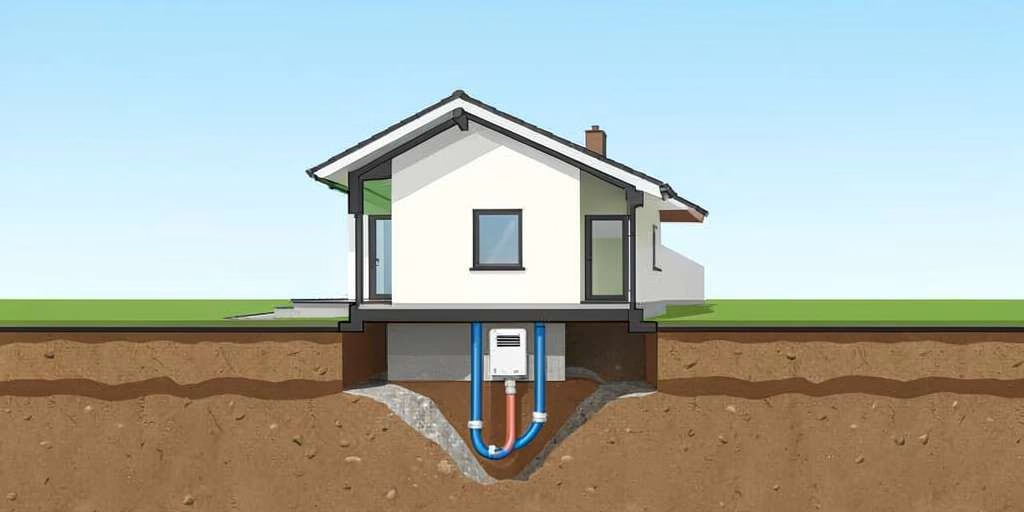
Geothermal energy systems offer an efficient and sustainable solution for residential heating and cooling. These systems utilize the Earth's stable temperatures to provide reliable energy, reducing reliance on conventional sources.
With various installation types available, homeowners can benefit from significant energy savings and environmental advantages. This article explores the functioning, types, benefits, and challenges of geothermal energy systems for residential use.
- Understanding Geothermal Energy for Homes
- Types of Geothermal Systems for Residential Use
- Benefits of Geothermal Energy Systems in Residential Buildings
- Installation Considerations and Challenges
- New Technologies and Innovations in Geothermal Systems
- Geothermal Energy in the Context of European Sustainability Goals
- Frequently Asked Questions About Geothermal Systems for Homes
Understanding Geothermal Energy for Homes
Geothermal energy offers an innovative approach to heating and cooling residential spaces. The principles behind these systems are rooted in the consistent temperatures found beneath the Earth's surface.
How Geothermal Heat Pumps Work
Geothermal heat pumps (GHPs) function by transferring heat between the ground and a building. In colder months, these systems extract warmth from the ground and deliver it indoors. Conversely, during warmer periods, heat is drawn from the indoor air and released back into the earth. This process relies on the relatively stable temperatures below the frost line.
Components of Geothermal Heat Pumps
- Ground Loop: A series of pipes buried underground that circulates fluid to transfer heat.
- Heat Pump Unit: The mechanism that extracts heat from the fluid or delivers it back to the ground.
- Air Delivery System: Distributes the heated or cooled air throughout the building.
Differences Between Heat Pumps and Power Plants
While both geothermal heat pumps and geothermal power plants harness underground heat, they operate differently. Heat pumps primarily provide localized heating and cooling for residential use, whereas power plants generate electricity on a larger scale. This distinction highlights the versatility of geothermal systems.
Sources of Underground Heat and Water
Several factors contribute to the availability of geothermal energy. These include:
- Natural geothermal reservoirs: Areas where heat from the Earth is more accessible, often found near tectonic plate boundaries.
- Groundwater: The water table can be a source of heat, affecting the efficiency of open-loop systems.
- Soil Composition: The ability of the ground to retain heat varies with different soil types and characteristics.
Types of Geothermal Systems for Residential Use
Various geothermal systems are available to homeowners, each designed for specific conditions and preferences. The choice of system can significantly influence energy efficiency and overall performance.
Vertical Loop Systems
This type of system is particularly suitable for properties with limited space. It relies on vertical boreholes to access the Earth’s temperature deep underground.
Installation Requirements and Depth
Vertical loop systems require deep boreholes, dug approximately 100 to 500 feet into the ground. A series of pipes are installed within these boreholes, allowing heat exchange between the ground and the home.
Benefits and Limitations
These systems are less affected by seasonal temperature changes, providing stable heating and cooling. However, the installation cost can be higher due to the complexity of drilling.
Horizontal Loop Systems
Horizontal systems are among the most common installations, particularly in residential settings with adequate land space.
Land Use Considerations
This system requires more land than vertical loops, as pipes are laid out horizontally about 3.5 to 6.5 feet below the surface. It is essential to ensure sufficient land area for installation.
Cost Efficiency Compared to Other Systems
Horizontal loops tend to be less expensive to install than vertical systems, making them a popular choice for many homeowners.
Pond and Lake Loop Systems
These systems harness aquatic environments for geothermal energy, taking advantage of the stable temperatures found underwater.
Water Depth and Freezing Prevention
Pond and lake systems require appropriate depth to prevent freezing in colder climates. Proper placement of loops below the frost line is crucial.
Environmental Impact on Local Water Bodies
Using water bodies for geothermal systems necessitates careful consideration of potential ecological impacts, including the disruption of local aquatic ecosystems.
Open-Loop Systems
These systems utilize groundwater from wells or surface sources, cycling water through the heating and cooling process.
Groundwater Usage and Return Methods
Open-loop systems can be efficient but require a suitable water source, which is essential for maintaining system performance.
Suitability and Regulatory Concerns
Compliance with local regulations concerning groundwater usage is critical, and homeowners must ensure they meet all legal requirements.
Hybrid Systems
Hybrid systems integrate multiple geothermal resources to enhance overall efficiency and versatility.
Combining Geothermal Resources for Cooling
This approach allows homeowners to exploit the best features of different types of geothermal systems, often leading to superior performance.
Efficiency Improvements Through Hybrids
By leveraging hybrid technologies, households may achieve higher energy savings and reduced operating costs, making them an attractive choice for energy-conscious homeowners.
Benefits of Geothermal Energy Systems in Residential Buildings
Geothermal energy systems present numerous advantages for residential buildings, primarily through enhanced efficiency and environmental benefits. These systems positively impact both household budgets and ecological sustainability.
Energy Efficiency and Cost Savings
Utilizing geothermal energy leads to substantial reductions in energy consumption, particularly in heating and cooling.
Electricity Reduction Compared to Conventional HVAC
Geothermal systems use significantly less electricity than traditional heating, ventilation, and air conditioning (HVAC) solutions. This efficiency can result in lower utility expenses.
Impact on Heating and Cooling Bills
Monthly heating and cooling costs can decrease dramatically, often by more than 50%. This reduction translates into long-term financial savings for homeowners.
Environmental Advantages
The eco-friendly attributes of geothermal systems contribute positively to the planet's health.
Reduction of Greenhouse Gas Emissions
These systems produce minimal greenhouse gas emissions, aligning with global efforts to combat climate change.
Contribution to Climate Change Mitigation
By adopting geothermal energy, households actively participate in reducing their carbon footprint, fostering a more sustainable future.
System Longevity and Maintenance
Geothermal systems are renowned for their durability and require limited maintenance over time.
Lifespan of Ground Loops
Ground loops typically last over 50 years, ensuring a long-term solution without frequent replacements.
Heat Pump Durability and Service Needs
Heat pumps can operate efficiently for 20-25 years, necessitating minimal service, which enhances their appeal to homeowners.
Stable Indoor Comfort
These systems provide consistent temperatures year-round, ensuring enhanced comfort levels.
Year-Round Heating and Cooling Performance
Geothermal systems maintain steady indoor conditions, eliminating the temperature fluctuations associated with conventional HVAC systems.
Comparison with Traditional Systems
Unlike traditional heating and cooling methods, geothermal setups deliver reliable performance regardless of external weather conditions.
Reducing Electrical Grid Demand
Adopting geothermal systems significantly alleviates pressure on electrical grids.
Mitigating Peak Load Periods
Geothermal energy helps reduce peak load demands, particularly during extreme weather, enhancing overall grid efficiency.
Enhancing Grid Stability
This stability prevents outages and promotes a more resilient energy infrastructure, benefitting entire communities.
Installation Considerations and Challenges
The installation of geothermal systems presents various considerations and challenges that must be addressed before implementation. These factors include financial, geological, and social aspects that can influence the decision-making process.
Upfront Costs and Financial Incentives
The initial investment for geothermal systems can be considerable, impacting many homeowners' decisions.
Typical Residential Installation Expenses
Residential installation costs typically range from €20,000 to €35,000. These expenses encompass components such as ground loops, heat pumps, and the necessary plumbing and electrical work. The variation in costs can be influenced by site-specific factors and the complexity of the installation.
Available Tax Credits and Subsidies in Europe
In Germany and other European countries, various financial incentives are available to alleviate installation costs. Homeowners may qualify for tax credits, grants, or low-interest loans through government programs aimed at promoting renewable energy solutions.
Geological and Site-Specific Factors
The geological characteristics of a property are crucial for the feasibility of installing a geothermal system.
Soil Composition and Thermal Conductivity
Understanding the soil's thermal conductivity is essential. Different soil types affect the efficiency of heat transfer, impacting the overall performance of the system.
Depth of Geothermal Resources and Accessibility
Accessibility to geothermal resources varies by location. The depth at which these resources are located can affect drilling costs and installation complexity, influencing the decision for prospective homeowners.
Retrofitting Existing Homes
Retrofitting an existing home with a geothermal system poses unique challenges.
Space Requirements for Ground Loops
Space availability is often a limiting factor with ground loops. Existing landscaping and property layout can restrict options for efficient installation.
Impact on Landscaping and Structural Modifications
Introducing a geothermal system may necessitate modifications to the landscape or structure of a home. Careful planning is essential to minimize disruption and maintain aesthetic appeal.
Awareness and Market Adoption
Raising awareness about geothermal systems remains a significant challenge for broader market adoption.
Common Misconceptions Among Homeowners
Myths surrounding costs, efficiency, and suitability hinder the acceptance of geothermal technology. Educating homeowners about these systems is vital for overcoming barriers to adoption.
Strategies to Increase Acceptance and Use
Effective strategies such as community information sessions, transparency around financial incentives, and showcasing successful installations can promote a better understanding of geothermal systems among potential users.
New Technologies and Innovations in Geothermal Systems
Recent advancements in geothermal technology are driving greater efficiency and accessibility for residential systems. These innovations are crucial in enhancing the feasibility of geothermal energy solutions in diverse environments.
Enhanced Geothermal Systems (EGS)
EGS technologies are transforming geothermal energy extraction, particularly in regions previously deemed unsuitable.
Advanced Drilling Techniques
Modern drilling methods, such as horizontal and multi-stage fracturing, enable access to deeper geothermal resources. These techniques significantly improve the viability of utilizing geothermal energy in varied geological conditions.
Expanding Access to Deeper Geothermal Resources
By reaching greater depths, EGS can tap into previously untapped heat sources. This not only broadens the potential installations but also increases efficiency in energy retrieval from the Earth.
Geothermal Networks and Shared Systems
Innovative geothermal networks are emerging as a collaborative solution among residential communities.
Multi-Home Geothermal Resource Sharing
This approach allows multiple homes to share a central geothermal resource. Such sharing enhances the economic feasibility and reduces the individual costs of installation for homeowners.
Cost Distribution and Community Benefits
Collective investment in geothermal systems can yield significant cost savings. Community networks mitigate financial burdens and promote energy independence, fostering a sustainable living environment.
Integration with Smart Home and Energy Management
The incorporation of smart technologies is revolutionizing how geothermal systems operate.
Monitoring System Performance and Efficiency
Smart monitors provide real-time data on system performance. This technology facilitates efficient energy management, ensuring homeowners optimize their heating and cooling demands.
Automated Heating and Cooling Controls
Automated controls enhance user convenience by adjusting systems based on occupancy and weather conditions. This integration ensures a seamless and energy-efficient home environment.
Geothermal Energy in the Context of European Sustainability Goals
Geothermal energy plays a significant role in advancing sustainability objectives across Europe. It contributes to the energy transition by reducing carbon emissions and promoting renewable energy sources.
Role in Energy Transition and Carbon Reduction
This form of energy is crucial for meeting the European Union’s ambitious climate targets. By integrating geothermal systems into residential settings, the reliance on fossil fuels is diminished, significantly lowering greenhouse gas emissions. The commitment to reducing carbon footprints aligns with broader environmental goals emphasized in European policies.
Compliance with EU Environmental Regulations
Geothermal energy systems must adhere to various environmental regulations set forth by the European Union. This regulatory framework ensures that installations are environmentally compliant and sustainable.
Impact on Deforestation Law and Land Use Policies
- The EU's deforestation law aims to minimize environmental degradation associated with energy production.
- Geothermal energy, by utilizing subsurface heat, supports land conservation efforts and sustainable land management practices.
Alignment with Renewable Energy Standards
- Geothermal systems are recognized as a vital component of Europe’s renewable energy strategy.
- These systems are essential for meeting the EU's renewable energy targets, encouraging investment and development.
Support from Government and Industry Initiatives
Efforts by governmental bodies and industry stakeholders are pivotal in fostering the growth of geothermal energy. Various initiatives promote its adoption as a sustainable energy solution.
Funding Programs for Residential Installations
- Governments provide financial incentives to encourage homeowners to install geothermal systems.
- Subsidies and grants help mitigate the upfront costs associated with installation, making geothermal energy more accessible.
Collaboration Between Utilities and Homeowners
- Utilities often partner with homeowners to facilitate the integration of geothermal systems into existing energy frameworks.
- This collaboration enhances efficiency and promotes renewable energy usage in residential areas.
Frequently Asked Questions About Geothermal Systems for Homes
This section addresses common inquiries related to the use and functionality of geothermal systems in residential settings. Understanding these aspects can help homeowners make informed decisions about their energy solutions.
How Much Energy Can Geothermal Systems Save?
Geothermal systems are known for their high energy efficiency. Typically, they can save between 25% and 50% more energy compared to traditional HVAC systems. This significant reduction directly translates into lower electricity bills, especially during peak seasons. The savings can vary based on the system's size, usage patterns, and local climate conditions.
What Maintenance Is Required for Heat Pumps?
Regular maintenance is essential to ensure the long-term efficiency of geothermal heat pumps. Homeowners should be aware of a few key maintenance tasks:
- Annual inspection of the system by a qualified technician.
- Cleaning or replacing air filters every few months.
- Checking the fluid levels in the system and monitoring for leaks.
These measures help prolong the lifespan of the heat pump and maintain optimal performance.
Are Geothermal Systems Suitable for All Climates?
Geothermal systems can be effectively utilized in a variety of climates. Their ability to leverage stable underground temperatures allows for efficient heating in colder months and cooling during warm periods. However, specific geological and environmental conditions can influence system efficiency and installation feasibility.
What Is the Typical Payback Period for Installation?
The payback period for geothermal systems typically ranges from 5 to 10 years. This timeframe can fluctuate based on factors such as initial installation costs, local energy prices, and the operational efficiency of the system. Financial incentives, such as tax credits, can significantly reduce the payback period.
How Do Geothermal Systems Perform Compared to Air Source Heat Pumps?
Geothermal systems generally outperform air source heat pumps in terms of energy efficiency and reliability. Unlike air source systems, which can struggle in extreme temperatures, geothermal systems maintain consistent performance. They also provide longer lifespans and lower operating costs, making them a more sustainable choice for homeowners.
Leave a Reply