Energy Efficient Appliances Germany Rebate: Save Money and Go Green
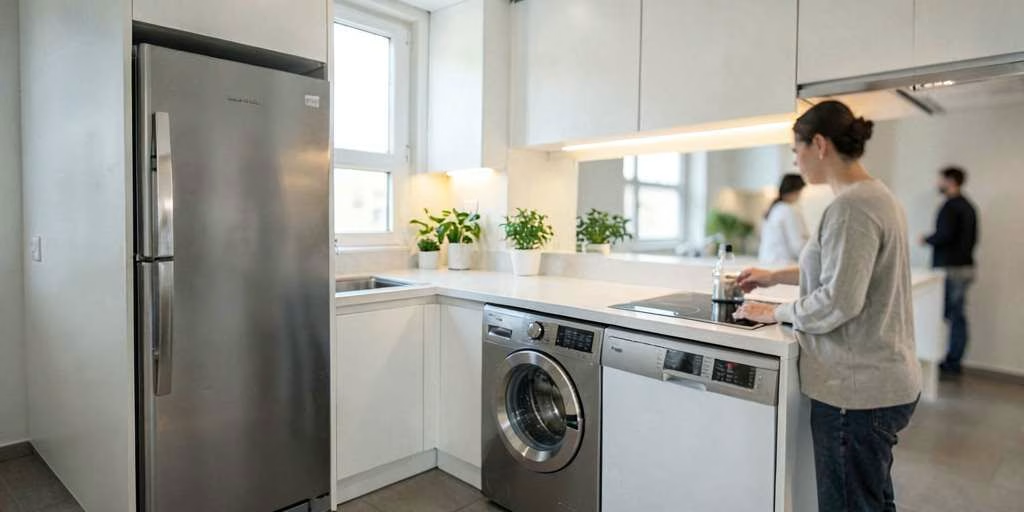
Germany is promoting energy efficiency through various rebate programs for energy-efficient appliances. These initiatives aim to reduce energy consumption and encourage the use of renewable technologies.
Homeowners and businesses can benefit from financial support for upgrading their systems. Understanding the eligibility criteria and application process is crucial for maximizing these incentives.
- Legal Framework and Policy for Energy Efficiency
- Eligible Measures for Energy Efficient Appliances and Systems
- Funding Programmes and Financial Support
- Certification, Energy Consulting, and Compliance
- Application and Approval Process
- Impact on Energy Consumption and Climate
- Support for Companies and Energy Efficiency Networks
- Practical Advice and Information Sources
Legal Framework and Policy for Energy Efficiency
The legal framework and policies regarding energy efficiency in Germany play a crucial role in driving the country towards sustainable energy consumption. Key regulations and funding programs have been established to support and incentivize the adoption of energy-efficient appliances and technologies.
Federal Ministry Regulations and Funding Programmes
Regulations set forth by the Federal Ministry of Economic Affairs and Energy establish the foundational guidelines for energy efficiency in Germany. These regulations encompass a broad spectrum of initiatives aimed at ensuring that both residential and commercial properties adhere to substantial energy performance standards.
- One of the primary funding avenues is the KfW Bank, which offers various loans and grants for energy-efficient renovations and upgrades.
- Specific regulations dictate the energy performance criteria that appliances and systems must meet in order to qualify for these financial incentives.
- Moreover, the government provides detailed information regarding available funding options and eligibility requirements, facilitating access to support.
European Union Directives and Their Impact on Germany
Germany’s energy efficiency policies are significantly influenced by European Union directives. The EU has established comprehensive energy efficiency targets that member states, including Germany, must comply with. These directives are designed to reduce energy consumption across the continent.
- The Energy Efficiency Directive sets binding measures to ensure that all EU countries improve their energy efficiency, with an objective to achieve a 32.5% reduction in energy consumption by 2030.
- Additionally, the Ecodesign Directive outlines specific criteria for the design and performance of energy-related products, ensuring that they meet defined energy efficiency standards.
- Germany’s compliance with these directives has prompted further implementation of robust national policies aimed at meeting EU goals while reinforcing local energy efficiency initiatives.
National Energy Transition Targets and Strategies
The German government has set ambitious national energy transition (Energiewende) targets, aiming to significantly reduce greenhouse gas emissions and enhance the share of renewable energy in the overall energy mix. This transition involves a multitude of strategies focused on efficiency improvements.
- By 2045, Germany aims to achieve climate neutrality, with specific milestones established for the coming years to monitor progress.
- Strategies involve promoting the modernization of buildings, increasing the use of renewable energy technologies, and ensuring that energy-consuming appliances continuously improve their efficiency.
- Public awareness campaigns are also integral to the national strategy, educating citizens on the benefits of energy-efficient practices and incentivizing their adoption.
Eligible Measures for Energy Efficient Appliances and Systems
In efforts to enhance energy efficiency, several actions qualify for funding and support under various rebate programs. This section outlines some of the key measures available to homeowners and businesses targeting energy-efficient upgrades.
Heating Systems and Heat Production Improvements
Heating systems play a crucial role in energy consumption in any building. Efficient systems not only reduce overall energy use but also contribute to lower heating costs. Targeted improvements can include:
- Installation of modern, high-efficiency boilers and heating appliances.
- Upgrading existing systems to utilize renewable energy sources, such as solar thermal or biomass.
- Implementing systems that enhance heat recovery, thereby increasing overall efficiency.
Insulation Techniques for Buildings
Proper insulation is fundamental to maintaining energy efficiency in structures. By effectively sealing a building, heat loss can be minimized, which translates into lower energy bills. Eligible measures consist of:
- Improving wall, roof, and floor insulation using high-performance materials.
- Replacing old or inefficient windows with energy-efficient models that offer better thermal performance.
- Incorporating insulating doors that prevent air leakage.
Installation of Renewable Energy Technologies
Integrating renewable energy technologies is a key strategy for achieving sustainability goals. This includes a range of solutions that harness natural resources for energy production. The measures eligible for rebates encompass:
- Installation of photovoltaic solar panels for generating electricity.
- Utilization of wind turbines suitable for residential or commercial energy needs.
- Implementation of geothermal systems for both heating and cooling purposes.
Integration of Digital Energy Consulting and Management Systems
With the rise of smart technology, integrating digital energy management systems into buildings is increasingly essential. These systems allow for real-time monitoring and optimization of energy usage. Eligible actions include:
- Adopting smart thermostats that adapt heating and cooling based on occupancy.
- Utilizing software solutions that analyze energy consumption patterns to identify areas for improvement.
- Integrating building management systems that automate and optimize energy performance across facilities.
Funding Programmes and Financial Support
In Germany, various funding programmes and financial support options are available to encourage the adoption of energy-efficient technologies and appliances. These programmes are designed to alleviate the financial burden of investments in sustainable energy solutions.
Federal Funding for Energy Efficient Renovation
The federal government provides substantial funding to support renovations that enhance energy efficiency in residential properties. This funding can cover a range of improvements, including insulation, heating systems, and renewable energy installations.
- Financial assistance is often granted as low-interest loans or direct grants for eligible projects.
- Specific programmes may cater to both homeowners and landlords, addressing various compliance standards and efficiency ratings.
- Applicants are usually required to meet certain criteria, such as demonstrating a significant reduction in energy consumption post-renovation.
Subsidies and Rebate Mechanisms for Homeowners
Homeowners can take advantage of multiple subsidy opportunities connected to the implementation of energy-efficient measures. Rebates can reduce the overall cost of major renovations and new installations.
- Subsidies may include cash payments for eligible improvements, such as upgraded HVAC systems or modern insulation techniques.
- Rebate programs are often tiered based on the efficiency rating of appliances and systems installed, promoting higher standards.
- Local authorities may also supplement federal funding with their own financial incentives, creating a layered approach to financial support.
Support for Companies and Municipalities
In addition to assistance for private homeowners, businesses and municipalities can also access funding opportunities. The government recognizes the importance of corporate responsibility in energy efficiency and provides tailored financial products.
- Funding options might include grants for workshops aimed at improving corporate energy management and sustainability practices.
- Loans may be accessible for larger projects that require significant capital investment, enabling companies to modernize their operations.
- Municipalities are encouraged to develop and implement efficiency improvements at a community level, often benefiting from specific funding initiatives addressing public infrastructure.
Accessing and Applying for Funding Programmes
The application process for these funding programmes requires careful preparation and documentation. Understanding the requirements is crucial for a successful application.
- Detailed project proposals must often be submitted, outlining the specific measures being implemented and their expected impact.
- Documentation may include energy performance certificates, expert consultations, and proof of financial need.
- Timelines for approval can vary significantly, so early submission and thorough preparation are advisable to avoid delays.
Certification, Energy Consulting, and Compliance
Understanding certification processes and energy consulting is essential for ensuring compliance with energy efficiency standards in Germany. This section outlines the critical roles that energy consultants play, the certification requirements necessary for funding, and the process of maintaining compliance with the Energy Saving Law.
Role and Importance of Energy Consultants
Energy consultants provide expertise in evaluating energy use and identifying opportunities for improvement. Their role encompasses:
- Conducting detailed energy audits to assess usage patterns.
- Recommending appropriate measures that align with efficiency programs.
- Guiding homeowners and businesses through the complex landscape of funding options.
In addition, these experts facilitate the certification process, ensuring that all upgrades comply with local and national regulations. Their guidance not only aids in the implementation of energy-efficient solutions but also positions owners to take full advantage of available rebates and subsidies.
Energy Performance Certification Requirements
To qualify for the financial incentives associated with energy-efficient upgrades, properties must meet specific energy performance certification criteria. Key requirements include:
- Detailed documentation of existing energy usage and efficiency levels.
- Compliance with the minimum energy performance standards set by government mandates.
- Certification from recognized energy consultants or accredited bodies.
This certification validates the efficiency enhancements made, playing a critical role in obtaining financial support for renovations
.
Ensuring Compliance with the Energy Saving Law
Compliance with the Energy Saving Law is essential for securing funding and meeting regulatory obligations. Key aspects of compliance include:
- Understanding and adhering to the energy efficiency targets defined by the law.
- Submission of annual energy performance reports as required.
- Regular updates and training for property managers and owners to stay informed about changes in regulations.
Consultants ensure that all procedures follow the legal framework to minimize the risk of penalties or loss of funding.
Documentation and Technical Evidence for Funding
Accurate documentation plays a vital role in acquiring funding for efficiency measures. Necessary documents often include:
- Energy performance certificates issued by qualified professionals.
- Technical assessments and project plans outlining proposed improvements.
- Invoices detailing costs associated with the upgrades undertaken.
A thorough submission of these documents ensures a smoother process in receiving financial support and illustrates a commitment to energy efficiency.
Application and Approval Process
The process for applying for rebates related to energy-efficient appliances involves several meticulous steps that ensure compliance with regulations and eligibility requirements. Understanding each phase is crucial for successful application and approval.
Pre-Application Consultation and Planning
Prior to initiating the application, a thorough consultation with an energy advisor is recommended. This expert guidance helps in identifying the specific measures suitable for the property and aligns them with the requirements outlined in funding programs. Whether it concerns heating system upgrades or insulation improvements, planning lays the groundwork for effective implementation. A well-structured plan can significantly streamline the entire process.
Submission of Applications and Required Documentation
Once the planning phase is complete, the next step involves submitting applications along with the necessary documentation. Standard requirements typically include:
- Proof of property ownership or lease agreements.
- Detailed project descriptions outlining the intended upgrades.
- Technical specifications for the energy-efficient measures planned.
- Any preliminary assessments or audits conducted by qualified energy consultants.
The submission must be made to the appropriate federal or state authority, depending on the funding program being utilized.
Approval Timelines and Contracting Rules
Approval timelines can vary significantly based on the complexity of the application and the workload of the reviewing body. Generally, applicants can expect a response within several weeks. It is crucial to refrain from commencing any work until all required approvals are granted. This rule ensures that costs remain eligible for reimbursement and minimizes the risk of financial loss.
Invoice Submission and Verification Procedures
Upon successful implementation of the approved energy-efficient measures, the next step is to submit the corresponding invoices for verification. This documentation must detail all expenses incurred and align with the previously submitted project plan. Verification procedures typically involve the following:
- A review by the funding authority, ensuring that all improvements adhere to the agreed-upon specifications.
- Confirmation that all work was carried out by certified professionals.
- Submission of completion certificates as mandated by the energy-saving laws.
Once verified, applicants will receive their financial retribution according to the structure outlined in the initial application. This structured approach ensures that the entire process is conducted fairly and transparently, aligning with Germany’s broader energy efficiency goals.
Impact on Energy Consumption and Climate
The shift toward energy-efficient technologies significantly influences both energy consumption and environmental health. This section delves into the profound effects that adopting energy-efficient appliances and systems has on reducing energy usage and mitigating climate change effects.
Reducing Final Energy Consumption in Residential Buildings
Residential buildings represent a considerable portion of total energy consumption in Germany. By implementing energy-efficient measures, households can substantially lower their energy demands. Key strategies involve:
- Utilization of high-efficiency appliances that consume less electricity while delivering the same level of performance.
- Improved insulation techniques that minimize heat loss, resulting in lower heating requirements during winter months.
- Smart home technologies that optimize energy use, adapting heating and cooling systems based on real-time occupancy and weather conditions.
As these methods reduce overall energy consumption, households can expect decreased utility bills along with a lower carbon footprint. This shift contributes to national energy-saving objectives that are vital for climate protection.
Contributions to Climate Goals through Efficient Products
Every energy-efficient appliance installed reflects a pivotal step towards meeting Germany's climate objectives. Efficient products help reduce greenhouse gas emissions, supporting the nation’s commitments under international agreements. The benefits include:
- Decreased CO2 emissions from residential heating and electricity use.
- Support for renewable energy systems, as efficient appliances often work in tandem with solar or wind-powered setups.
- Promotion of sustainable consumption habits among the population, fostering a culture of environmental consciousness.
This collective effort is instrumental in achieving long-term climate stability and aligns with Germany’s ambitious goals for carbon neutrality.
Long-term Benefits of Energy Efficient Appliances in Germany
Investing in energy-efficient appliances extends beyond immediate savings and environmental benefits. The long-term advantages include:
- Increased property value as energy-efficient homes become more desirable in the real estate market.
- Reduction in energy dependency, enhancing energy security for residential areas.
- Economic resilience generated by the local green technology sector growth, fostering jobs and innovation.
The long-term vision revolves around transitioning to a sustainable energy economy, where efficiency and innovation define everyday practices. Enhancing energy efficiency will have lasting impacts on individuals, communities, and the environment alike.
Support for Companies and Energy Efficiency Networks
This section explores the various ways in which companies can benefit from energy efficiency initiatives and how networks facilitate collaboration and knowledge sharing.
Funding for Energy Management in Businesses
The German government offers diverse funding options specifically tailored for businesses seeking to enhance their energy management practices. This support encourages companies to adopt energy-efficient technologies, leading to reduced operational costs and improved sustainability.
- Incentives are provided for upgrading existing equipment with more efficient models.
- Financial support is available for the integration of renewable energy sources into corporate facilities.
- Companies can access grants for comprehensive energy audits, which help pinpoint inefficiencies and potential improvements.
Collaboration and Knowledge Exchange in Energy Networks
Energy efficiency networks play a crucial role in fostering collaboration among businesses. By joining these networks, companies can share experiences, best practices, and solutions to common energy challenges. This collaboration not only promotes knowledge exchange but can also accelerate the implementation of energy-efficient measures.
- Participation in regional and national networks facilitates contact with industry experts and energy consultants.
- Members have opportunities to engage in joint projects, leveraging collective resources for significant impact.
- Networking events provide platforms for discussing innovations and advancements in energy technologies.
Benefits of Energy Efficiency for Economic Affairs and Competitiveness
Implementing energy-efficient practices can yield substantial benefits for economic performance and competitiveness in the market. Companies that invest in energy efficiency enhance their resilience against rising energy prices while bolstering their reputation as sustainable businesses.
- Operational savings achieved through energy efficiency can be reinvested, supporting growth and development.
- Enhanced corporate image appeals to a growing consumer base that values sustainability.
- Compliance with environmental regulations strengthens market position and reduces risk of penalties.
Practical Advice and Information Sources
Access to reliable information and qualified professionals is crucial for anyone exploring energy efficiency initiatives in Germany. The following sections provide essential resources and guidance.
Finding Qualified Energy Consultants and Experts
Professional energy consultants play a pivotal role in advising both residential and commercial clients on energy efficiency measures. They possess the knowledge necessary to assess energy needs and recommend suitable technologies. When searching for qualified consultants, consider the following:
- Look for certifications from recognized organizations in the energy efficiency sector.
- Check their experience with specific projects relevant to your needs.
- Seek recommendations from peers or business networks.
- Verify client testimonials and case studies demonstrating past successes.
An effective consultant should not only provide recommendations but also help navigate available funding options and compliance requirements.
Useful Tools and Software for Energy Tracking
Technological solutions are integral to effective energy management. Numerous tools and software applications exist to help individuals and businesses monitor their energy consumption. Key features to consider include:
- Real-time energy tracking to identify high-consumption areas.
- Alerts and notifications for unusual usage patterns.
- Reports that summarize energy usage over specific periods to assist with strategic planning.
- Integration capabilities with existing energy systems, facilitating automated management.
Utilizing these resources can provide insights that lead to informed decisions regarding energy efficiency improvements.
Further Information about Funding Programmes and Policies
Understanding the landscape of funding opportunities is essential for maximizing participation in energy efficiency programs. Useful information sources include:
- Federal and state government websites detailing available subsidies and funding options.
- Local municipal offices that may have specific regional incentives.
- Industry associations that provide updates on policy changes and funding availability.
- Online portals that compile resources related to energy efficiency and government initiatives.
Regularly consulting these resources can ensure that stakeholders remain informed about the latest developments and opportunities to support energy-efficient investments.
Leave a Reply